
 Amit Pokhrel
Hydropower is the cornerstone of Nepal's renewable energy future, with a great deal of potential for both domestic sustainability and regional electricity trade through both India and Bangladesh. This article has been prepared to examine how hydropower plants can achieve energy optimization through advanced operational, technical, functional, and digital strategies, and how project developers can position these assets to attract long-term sustainable international financing. By combining evidence from the global case studies and emerging financial frameworks, the article also provides a roadmap for making hydropower development in Nepal both technically efficient and financially bankable, contributing directly to the nation's clean energy transition and economic growth for the country.
As from our studies and potentiality, Nepal possesses immense hydropower potential estimated at 83,000 MW, of which approximately 43,000 MW is technically and economically feasible. Yet, as of December 2025, less than 4000 MW has been fully harnessed. This gap presents a dual challenge: improving energy optimization within existing plants while designing new projects that can attract international investors for long-term profitability and power trading that would support both the developers and the country's economic growth, which would help generate revenue to support growth and development of the country. The mechanisms of the discharge variant Q40 to Q25 would also be applicable for the powerplants to optimize the energy that would attract the development on considering the design optimization for the energy efficiency.

The mechanisms of the discharge variant Q40 to Q25 would also be applicable for the powerplants to optimize the energy that would attract the development on considering the design optimization for the energy efficiency.
The energy transition of the globe has brought hydropower not only to the front as a renewable and reliable resource but also as a strategic economic asset. If the government and private developers and investors can inject the diverse richness of the water resource, that would not only benefit the consumers but benefit whole nations, then it would be a long-term asset for the country that would harness jobs and employment and sustaining the lives of the individual. There are diverse benefits of the water resource where the country has large numbers of rivers. In Nepal's case, this optimization can result in reduced reliance on fossil imports and creation of revenues through exports and help their national goal of net-zero carbon emissions by 2050. However, this transformation will need to be enabled through an integrated approach between modern design and technology, policy reform, and financial instruments that become more appealing to global financiers.
Since the topic is more concentrated on energy optimization in hydropower plants, let us discuss how and why operational flexibility and grid responsiveness for hydropower is required.
Energy Optimization in Hydropower Plants
The over-reliance on Run-off-River plants has created a wet-season energy surplus and a corresponding dry-season deficit in Nepal. In this regard, the seasonal mismatch can be resolved by investing in storage-type hydropower plants which can store excess water during the monsoon for use in the dry season.
Traditional hydropower plants were designed primarily for baseload generation. Nowadays, operational flexibility, ability to respond to variable demand, integrate intermittent renewables such as solar and wind, and provide ancillary grid services are at the core of optimization efforts. Optimized flexible operation hydropower plants are able to take part in both day-ahead and peak hour markets, improving revenue and reliability.
The variable speed turbines along with the digital control mechanism also play an important role in upgrading technology in the traditional power plants. The introduction of variable speed Francis and Kaplan turbines, together with their digital control systems, has transformed the efficiency profile of hydropower stations. Variable speed allows turbines to perform efficiently across a wider range of flows and hence enables plants to cope better with seasonal hydrological variations. The digital SCADA system, predictive maintenance using machine learning, and real-time hydrological forecasting further enhance the performance of plants and minimize downtime.
Global examples, such as Itaipu Dam in Brazil and Longtan Dam in China show that hybrid systems are flexible hydropower systems that can increase revenues by 15-20% through optimized load shifting.
It also increasingly encompasses hybrid systems: pumped hydro and solar hybridization. Energy storage through pumped hydro thus allows Nepal to store excess wet season energy and generate electricity during the dry season when demand and tariffs are higher. Solar-hydro hybrids can balance the seasonal energy gaps, making the overall system more stable and profitable. Global examples, such as Itaipu Dam in Brazil and Longtan Dam in China show that hybrid systems are flexible hydropower systems that can increase revenues by 15-20% through optimized load shifting.
The other perspective also looks at digitalization and predictive management. Incorporating data-driven asset management at plants allows anticipation of equipment wear & tear, optimization of water discharge, and sedimentation management. Predictive maintenance has been shown to cut the Operation and Maintenance cost by 20-30%, extending the lifespan of turbines and generators with minimal unplanned outages.
In a country like Nepal, the pathways to attract international financing are quite robust in terms of design and the feasibilities studies that are carried out for the projects. Different mechanisms are there that Nepal can adapt in order to support the development and alternative sustainable solution. The first is presenting bankable and de-risked projects. International financing bodies seek predictability of returns and strong governance. In order to convince such financiers, hydropower developers should be in a position to ensure stable PPAs or export trading arrangements, transparent cash flow projections independently audited, credible environmental and social safeguard compliant with international standards, and active community benefit sharing programs in compliance with ESG criteria.
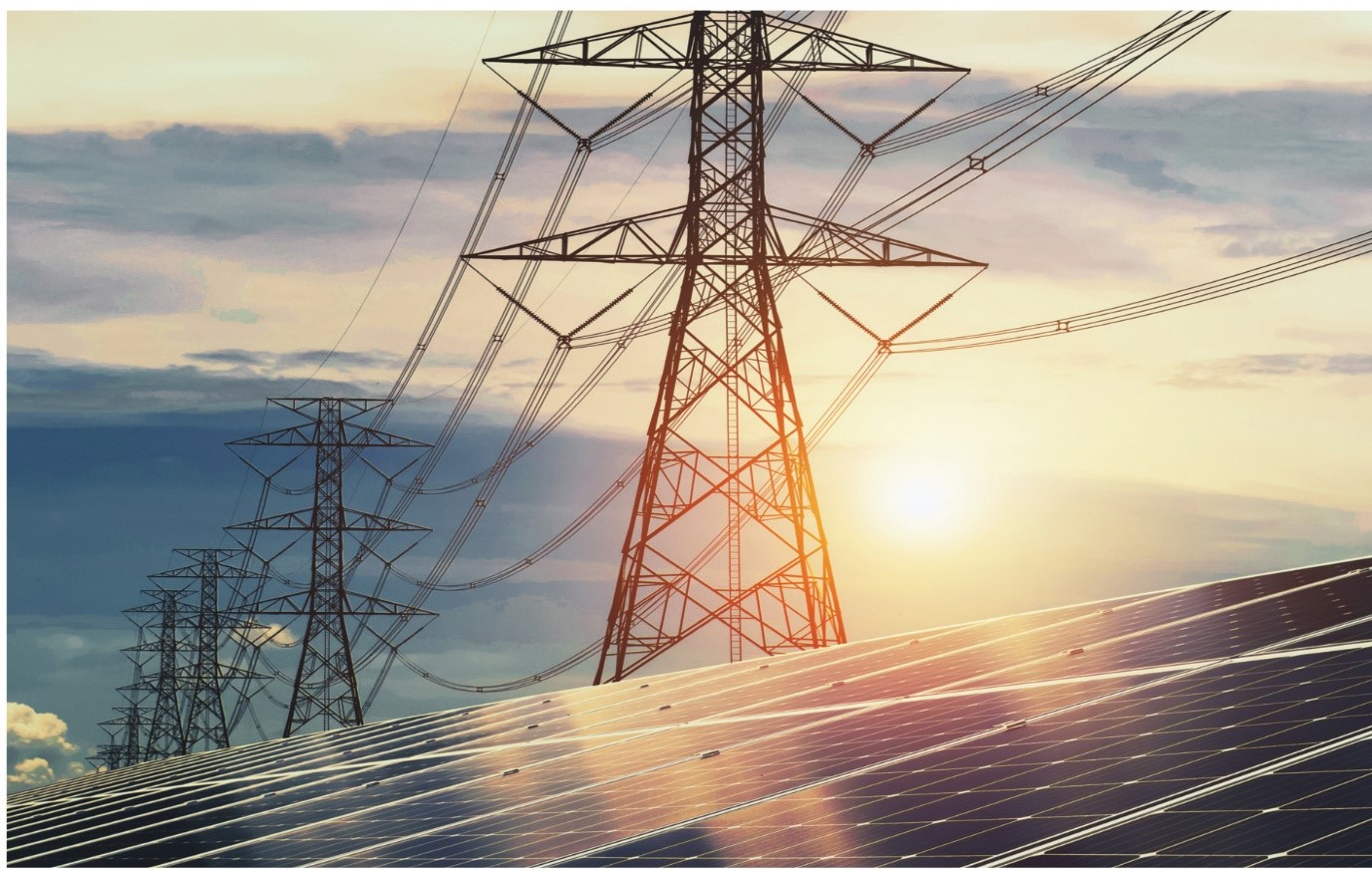
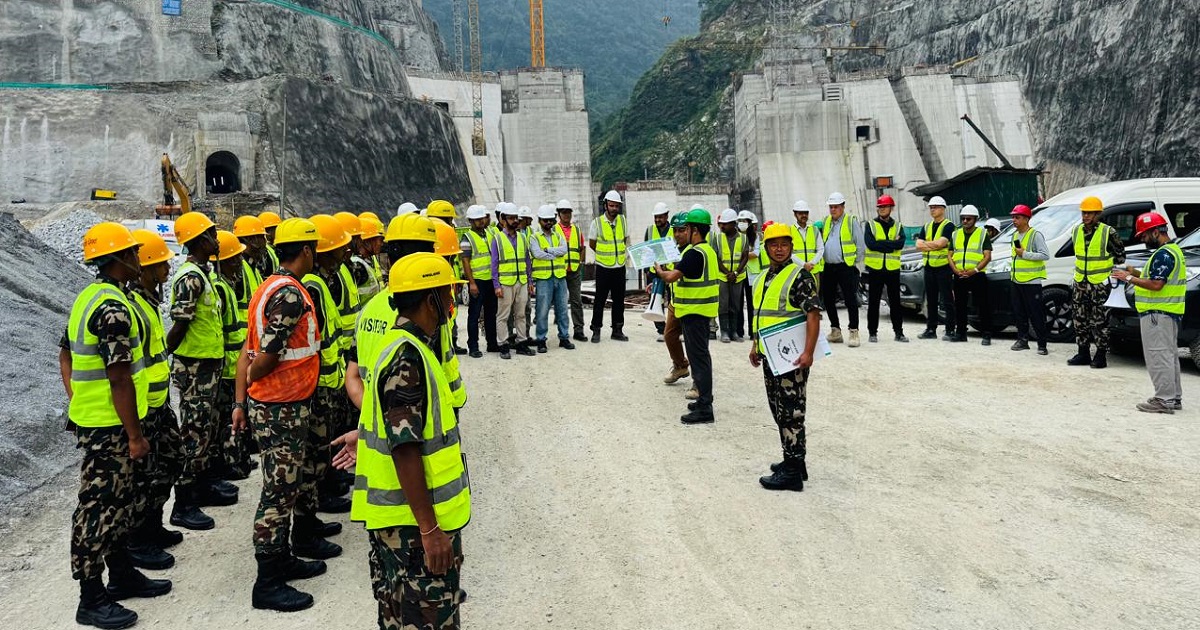
(Photo Source: https://share.google/Q68QmYwai0SMnNTZ8)
Similarly, our country Nepal can also use blended finance and guarantees option as De-risking mechanisms that are key to long-term investment. Instruments such as the Multilateral investment MIGA guarantee, International Finance Corporation Advisory facilities, and green climate finds can reduce perceived country risk. For example, projects using blended finance models where concessional funds cover early-stage risks while commercial lenders finance later phases have proved highly successful in Brazil and other countries at Latin America and Africa. These frameworks can easily be replicated for Nepal’s hydropower sector.
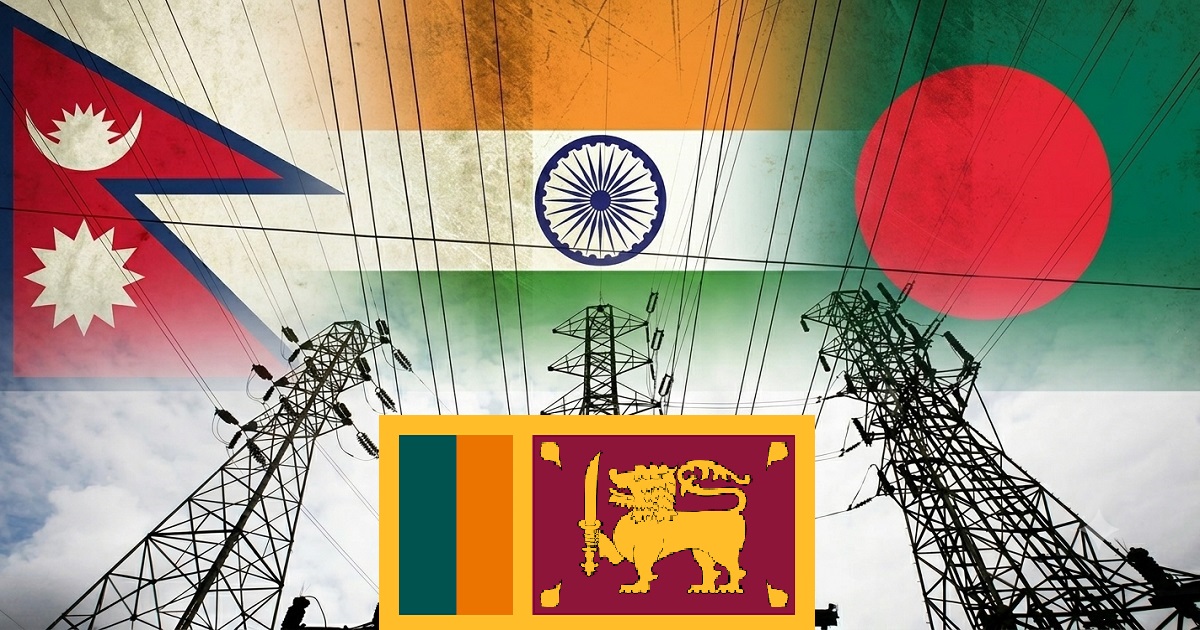
The other is cross-border power trade and revenue diversification. Agreement with India and Bangladesh recently has opened a new opportunity and market for Nepal to export surplus electricity. If the framework and regularity is properly channelled, with proper transmission infrastructure, power export could alone fetch over USD 500 million annually for Nepal by 2030 onwards. International investors find such cross-border potential alluring since it ensures foreign currency income and market diversification-both critical for financial sustainability.
As for experience, another one is ESG excellence and climate finance alignment. Projects with measurable impacts on the SDGs, with particular reference to SDG 7 (Clean Energy) and SDG 13 (Climate Action), are more attractive to global investors. Hydropower plants that incorporate biodiversity management, waste reduction, and community resettlement programs aligned with the Fast-Infra Label and Hydropower Sustainability Standard may qualify for green bond certification, increasing access to low-interest capital. There are various case studies and international examples that support the approach of the author article.
In Norway, the approach was carried out for digital optimization and pumped storage integration to increased system flexibility and ancillary service revenue, which is the key outcome for the long-term revenue generation.
Projects with measurable impacts on the SDGs, with particular reference to SDG 7 (Clean Energy) and SDG 13 (Climate Action), are more attractive to global investors.
Switzerland has taken the approach of seasonal trading with EU market that supported the long-term power trading contracts generate steady foreign exchange. In the case study for the Iceland, the approach was focused for the community-based hydropower with geothermal co-generation that sustained high investor confidence and eco-tourism industry. Similarly, the China adopted the large-scale pumped storage and hybrid solar-hydro development that improved load balancing and grid stability. And the emerging country Nepal has taken the approach for the bilateral export agreements with India and Bangladesh for growing cross-border energy trade by the government and private sector investment for hydropower, solar and other efficient means for energy development.
The examples above underline how optimized hydropower systems, coupled with market access and sustainability frameworks, create a compelling case for investors and financiers. Having said so, I have tried to illustrate the facts from the global perspective what approach and key outcomes would help the country to focus on the sustainable economic growth that create jobs and employment, technology transfer, investment for development and a source to survive through rich resources the country has and can develop the potential to focus on economic empowerment.
Based on this information, I would like to provide the institutional recommendation and policy frameworks that the country shall adapt to sustain economic growth of the country. The National Planning Commission or the National Energy Authority shall focus on following strategy:
a) Establish a transparent framework that promotes flexible operation, hybrid systems, and digital modernization in support of the national energy optimization strategy.
b) Allow the issuance of green bonds and enable climate finance access for energy modernization that attracts the green investment framework.
c) Strengthen transmission corridors and harmonize trading rules with India, Bangladesh, and Bhutan in a way that supports regional market integration.
d) Encourage joint investment structures where the government facilities guarantee while private developers lead in design and operation based on project viability and sustainability as Public-Private Partnerships.
e) Give a portion of the profits or any electricity advantage to the local communities to enhance social acceptance and inclusivity that would strengthen the community to protect the national energy system for present and future generations focused on community-based ownership models.
f) avail the possibility of all outcomes that benefit the government of Nepal to sustain the economic growth of the country that develops the circular economic models.
The government of Nepal has plans for an ambitious Energy Development Roadmap 2081, with a target of 28,500 MW by 2035, which will require $46.5 billion in investment. To that end, funding is expected from the government, domestic banks, FDI, climate financing, and Nepali diaspora bonds. In 2025, Nepal and India signed an agreement on constructing new 400kV transmission lines to increase the cross-border capacity and trade. Similarly, India has long-term goals to import 10,000 MW from Nepal over the course of a decade. It is considering "energy banking"-exchanging electricity for electricity during its seasonal surplus and deficit time-with India. Addressing the complex regulatory frameworks and geopolitical concerns like Indian restrictions on power exports from projects with Chinese involvement would help realize the full trading potential.
Nepal can position itself as a regional leader in clean power trading-as energy optimization in hydropower is not only about technical upgrades but about transforming power plants into sustainable economic assets that attract international capital. I remain positive that international investors will be convinced when hydropower projects demonstrate long-term profitability, political stability, transparent documents, and environmental accountability. With coordinated policy support and transparent governance, Nepal's hydropower sector can transition from an underutilized resource to a global benchmark for sustainable, profitable energy development, and an economic growth of the country supporting sustainable jobs and employment and a long-term partnership with the regional leaders in facilitating the electricity for the country and beyond.
Mr. Pokhrel (MIEAust, P. Eng, M.S) is an Executive Advisory of FAST-Infra Label
References
1. ESG Criteria, Fast Infra Label, the Global Infrastructure Basel Foundation, Switzerland.
2. IHA (2024). Hydropower Sustainability Guidelines and Global Market Trends.
3. World Bank (2023). Financing Hydropower in Emerging Economies.
4. MoE, Water Resources and Irrigation, Nepal (2025). Hydropower Development Roadmap.
5. IFC & MIGA (2023). De-Risking Strategies for Renewable Energy Investments.
6. International Energy Agency (IEA, 2024). Renewables 2024 Global Outlook.
7. Aryal, B. et al. (2024). Evolution and Future Prospects of Hydropower Sector in Nepal.
8. Reuters (2025). Nepal’s Cross-Border Power Export Agreements with India and Bangladesh.