


The Electricity Regulatory Commission (ERC) of Nepal, established under the Electricity Regulatory Commission Act, 2017, serves as an independent regulator for equitable growth in the energy sector. Its primary mandate is to maintain a balance between the demand and supply of electricity while simplifying the generation of electricity, transmission and distribution or trade, which ensures reliable, accessible, high-quality, competitive and safe electricity services, protecting the rights and interests of the electricity consumers.
Despite its pivotal role, the ERC has encountered persistent challenges inherent to its nascent stage, including limited resources, dependence on manual processes, and the absence of comprehensive digital infrastructure. These constraints have impeded operational efficiency and transparency, stressing the necessity for modernization.

The ERC has embarked on an ambitious digitization initiative recognizing the increasing demands of a dynamic energy market. This transformation aims to streamline operations, enhance transparency, and build stakeholder trust, thereby enabling the Commission to fulfill its mandate more effectively. The digitization efforts are anticipated to facilitate better regulatory oversight, improve service delivery, and support the sustainable development of Nepal’s electricity sector.
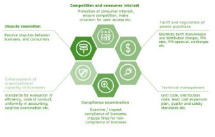
Figure 1 Key Functions and Duties of the Commission
The Legacy of Paper-Based Systems
At the core of ERC’s operational challenges lies its reliance on manual, paper-based workflows - a necessity born of its current circumstances. Each petition filed by a licensee embarks on a meticulous journey through ERC’s procedural framework, designed to ensure thorough review and regulatory compliance.
The process begins with an applicant submitting hard copies of their petition to the ERC office, where it is registered and assigned a unique identification number. For instance, an applicant applying for initial public offerings (IPO) is required to submit at least five copies of physical documents to the commission. From there, the petition is carefully routed to the appropriate department. Junior officers are tasked with the vital role of verifying the completeness of documentation and ensuring that all service charges have been paid in accordance with ERC’s regulatory instruments. This initial review is no small task, requiring crossreferencing documents against established checklists and preparing preliminary analyses that serve as the foundation for further evaluation.
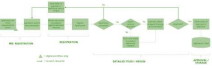
Figure 2 Current State Workflow
Once this stage is complete, the petition progresses up the chain to supervisors, line managers, and ultimately the ERC Secretary, each conducting their own layer of scrutiny. These reviews, while repetitive, reflect ERC’s commitment to due diligence and accountability. The Secretary, then, prepares the petition for presentation at an ERC Board meeting, where it undergoes collective deliberation before a decision is made by the Commission.
This is a painstaking process for both the Commission and the applicants, and even though it is effective in ensuring thoroughness, it is inherently time-intensive. With no centralized tracking system in place, the movement of files between departments is a manual effort. This results in delays that are largely unavoidable under the current framework. Applicants, understandably eager for updates, often resort to followups, which add to the workload of already overstretched staff.
Incomplete applications are a common occurrence, further complicating the workflow. When documents are missing or fail to meet prescribed formats, ERC must notify the applicant, often in writing, leading to additional back-and-forth exchanges. Staff members dedicate a significant portion of their time to scanning, filing, and managing these documents - a necessity in a system that lacks the digital infrastructure to automate such tasks. ERC has no choice but to adopt this laborintensive process given its limited staff members constrained by physical infrastructure.
While stakeholders may sometimes view the system as slow or opaque, it is important to recognize the challenges that ERC faces as an emerging regulator working within its means. The current system reflects a conscientious effort to maintain procedural rigor and ensure fairness despite significant constraints.
ERC is not alone in grappling with the challenges of manual systems. For instance, prior to its digitization efforts, the Office of the Company Registrar (OCR) in Nepal faced significant operational inefficiencies due to its reliance on manual processes. The traditional paperbased system resulted in prolonged delays in company registration, inconsistent record-keeping, and challenges in document retrieval. Entrepreneurs often had to make repeated visits to the office, endure lengthy queues, and navigate cumbersome bureaucratic procedures, which discouraged business growth and innovation.
These inefficiencies eroded stakeholder trust and made regulatory compliance a time-consuming task. On a similar note, the Central Electricity Regulatory Commission (CERC) of India, prior to digitization, faced significant delays in processing petitions due to its reliance on physical documentation. 1This paper-based approach not only slowed decision-making but also resulted in frequent errors during record-keeping and retrieval processes.
These inefficiencies eroded stakeholder trust and made regulatory compliance a time-consuming task. On a similar note, the Central Electricity Regulatory Commission (CERC) of India, prior to digitization, faced significant delays in processing petitions due to its reliance on physical documentation. 1This paper-based approach not only slowed decision-making but also resulted in frequent errors during record-keeping and retrieval processes. Licensees often voiced frustration about inconsistent communication and sparse updates, which forced them to rely on persistent follow-ups through phone calls or office visits. Over time, these operational inefficiencies risked undermining trust in the institution, weakening its ability to effectively govern and support the electricity sector. Such challenges emphasize the urgent need for digital transformation to streamline operations, improve transparency, and restore stakeholder confidence.
The Imperative for Digitization
Digitization offers a clear pathway to address these inefficiencies and transform the regulatory framework into one that is agile, transparent, and capable of handling increasing demands. For the ERC, adopting a digital approach promises to reduce cumbersome processing times, streamline communication with stakeholders, and optimize resource allocation across its limited workforce. ERC has made it clear in its Fiveyear Roadmap that digitization is one of the priority areas for developing its internal systems, and it resonates clearly with ERC’s five guiding principles of becoming a regulator that is transparent, impartial, accountable, proactive and responsive.
Globally, the adoption of digital systems by regulators has resulted in groundbreaking improvements in efficiency and credibility. A case study of The Georgian National Water & Energy Supply Regulatory Commission (GNERC) serves as a prime example. 2Prior to digitization, GNERC struggled with a paper-based system that bogged down workflows, delayed decision- making, and left stakeholders with limited visibility into regulatory processes. The implementation of a centralized digital document management system revolutionized their operations. GNERC now efficiently tracks compliance, facilitates faster decision-making, and provides stakeholders with a user-friendly interface for submitting and monitoring applications. This transformation has reinforced GNERC’s standing as a trusted and forward-thinking regulator.
GNERC now efficiently tracks compliance, facilitates faster decision-making, and provides stakeholders with a user-friendly interface for submitting and monitoring applications.
Similar is the case of CERC. CERC launched its e-Court platform in 2017, which revolutionized operations by enabling stakeholders to file petitions and replies online, eliminating delays caused by physical submissions. It introduced real-time status tracking, offering stakeholders greater visibility into the progress of their applications. At the same time, digitized judicial proceedings and systematic queuing significantly reduced the time required for hearings and decisions. Moreover, the platform facilitated remote participation in hearings, an innovation that proved indispensable during the COVID-19 pandemic. 3These examples emphasize the transformative power of digital systems in enabling regulators to meet stakeholder expectations while maintaining efficiency and accountability.
ERC’s Initial Steps: DMS
The ERC, with the development of its preliminary Document Management System (DMS), has initiated an important step toward digitization. The ERC recently signed a Memorandum of Understanding with Nepal Telecom (NT), a government-owned telecommunications utility, which established the terms and conditions under which NT will provide NT Cloud Server Resource for ERC to host its web-based software and application. Furthermore, ERC has also received authorization from the Integrated Data Management Center, Singha Durbar for the creation of a subdomain within its website (www.erc.gov.np) for housing access to the DMS and for providing further technical assistance for the seamless facilitation of the DMS.
The online DMS platform represents a pivotal shift from manual, paper-based workflows to a centralized digital interface, allowing licensees to submit applications and supporting documents electronically, thereby eliminating the need for physical submissions and reducing administrative overhead.
Currently, the DMS has been designed to support applications related to pre-approval of Initial Public Offerings (IPOs), Further Public Offerings (FPOs), Right Shares, Power Purchase Agreements (PPAs), share structure changes, and mergers and acquisitions. The system can track the time taken at each stage, ensuring greater accountability. Applicants can monitor the status of their submissions in real time, significantly reducing the need for follow-ups.
The current DMS involves the following steps:
1. Application Submission: Licensees log in to the DMS platform, where they are guided through an intuitive interface to upload required documents, complete forms, and submit applications for processes such as pre-approval of IPOs, FPOs, Right Shares, PPAs, share structure changes, and mergers and acquisitions. The application can only be submitted if all required documents are uploaded.
2. Preliminary Validation: An authorized officer validates the application against a standard checklist of requirements, flagging incomplete or non-compliant submissions for correction. Any communication with the applicant is taken up through the DMS platform.
3. Assignment to Officers: Assignment of the application to an ERC officer or a designated committee for review is taken up within the DMS by the ERC chair. The system sends notifications to the responsible parties, ensuring timely handling of the application.
4. Digital Review and Comments: ERC-designated officers review the submissions directly on the platform. They can annotate documents, provide comments, and request additional information or clarifications from the applicants.
5. Approval Workflow: Once the review process is complete, the application is routed through automated workflows to the relevant decision-making authority within the ERC. If approvals are granted, they are digitally recorded and stored.
6. Real-Time Status Updates: Throughout the process, applicants receive real-time updates on their application status via the platform. This transparency is expected to significantly reduce the need for repeated follow-ups or physical visits to the ERC office.
7. Final Notification and Record Storage: Upon approval, the applicant is notified electronically and the decision is archived in the system, ensuring secure, retrievable records for future reference.

Figure 3 DMS Workflow
Future of Digitization
While the preliminary DMS marks a promising start, ERC’s ultimate vision is the development of a fully integrated Regulatory Information Management System (RIMS). This system is envisioned to be a transformative tool, serving as a centralized database for all regulatory documents and processes while offering capabilities for real-time data analysis and seamless decision-making.
The RIMS will incorporate several advanced features designed to modernize ERC’s operations and address critical pain points. Online payment gateways, for instance, will enable applicants to process payments directly through a secure digital platform, eliminating the cumbersome need for in-person transactions and notarized receipts. E-signatures and e-notarization will further expedite approval workflows, replacing physical document exchanges with streamlined, authenticated digital transactions. Secure data storage will ensure compliance with data protection protocols, safeguarding sensitive regulatory and stakeholder information. These enhancements collectively promise to increase ERC’s efficiency and ability to communicate effectively with stakeholders while reducing bottlenecks caused by manual processes.
A key component of RIMS will be its workflow management module. This module is expected to automate routine tasks, such as task assignments, deadline reminders and the logging of actions taken by staff at each stage of the approval process. According to Deloitte’s ERC Digital Strategy and Implementation Roadmap: Final Report (2021), automating these processes could free up ERC’s limited workforce for more strategic regulatory functions, ultimately increasing productivity by as much as 40 percent. Additionally, RIMS will include real-time dashboards for data visualization, enabling staff to analyze performance metrics, track application progress, and identify potential delays or compliance risks immediately.
The success story of GNERC offers a compelling glimpse into what ERC could achieve through a well designed RIMS4. GNERC’s transition to a digital platform included web-based applications for data submission, a centralized compliance monitoring system, and intelligent automation for analyzing operational metrics. By investing in digital tools and skilled IT personnel, GNERC not only improved its workflow efficiency but also gained the ability to enforce regulations effectively by using real-time data analytics to monitor compliance. This approach reduced administrative burdens significantly and improved customer satisfaction.
ERC’s Five-Year Roadmap, as outlined in the ERC Digital Strategy and Implementation Report (2021), follows a similarly ambitious trajectory.
ERC’s Five-Year Roadmap, as outlined in the ERC Digital Strategy and Implementation Report (2021), follows a similarly ambitious trajectory. The system will initially prioritize core functionalities such as application submissions, document management, and payment processing, which can be developed within 15 months under a bespoke software solution. Later phases will include advanced modules for public engagement, analytics-driven decision-making, and data interoperability with other government systems.5
ERC is setting the stage for a regulatory framework that is not only efficient but also transparent and future- ready by embracing comprehensive RIMS. This digital transformation will enable ERC to meet its growing mandate while establishing itself as a model for innovation and accountability in Nepal’s electricity sector.
Global Insights for Nepal’s Digital Shift
The journey toward digitization is not without challenges. Cultural norms deeply embedded in manual, paper-based processes, resistance to change among both staff and stakeholders and significant capacity-building requirements present formidable challenges. However, insights from global success stories offer valuable lessons that can help ERC navigate these hurdles effectively and tailor solutions to its unique context. For instance, the PSC’s phased approach to digitization, involving stakeholder engagement and pilot testing, ensured the smooth implementation of its e-Docket system.
Similarly, GNERC’s decision to outsource certain functionalities while developing others in-house allowed for costeffective and tailored solutions. ERC can similarly leverage stakeholder feedback to fine-tune its system during development, ensuring the digital transition is both effective and widely accepted. Additionally, strategic outsourcing of certain components, such as cloud infrastructure (which has been done by the ERC) or payment gateway integration, could help the ERC manage its resource constraints while focusing internal efforts on regulatory innovations.
The proposed digital system emphasizes scalability ensuring future modules that can be added as ERC’s responsibilities evolve. For instance, the envisioned Regulatory Information Management System (RIMS) will not only accommodate current functions such as application submissions and fee processing but will also expand to include advanced analytics, real-time compliance monitoring and public engagement tools.
Furthermore, the focus on user-friendliness is central to ERC’s vision. Plans for mobile compatibility and multilingual support aim to make the system accessible to a diverse group of stakeholders, from Independent Power Producers (IPPs) to the general public. Such inclusivity reflects ERC’s commitment to meeting the needs of all users, irrespective of their technical proficiency or language preferences.
Toward a Digitized Era
ERC’s digital transformation represents a strategic initiative to modernize Nepal’s electricity sector and address its evolving complexities. Anchored in ERC Rule 20, which empowers the chairperson to enhance the regulator’s credibility, and Rule 38, which ensures alignment with government-approved policies, this initiative reflects ERC’s commitment to transparency, accountability, and responsiveness.
These principles make sure that the ERC’s technological advances not only make operations run more smoothly, but also meet its legal obligations and fit with the priorities of state government. This balanced approach positions ERC as a credible and adaptive regulator, ready to tackle emerging challenges in the energy sector.
As the global energy landscape evolves, ERC’s digitization journey highlights its proactive approach to regulatory excellence and stakeholder collaboration. These efforts not only reinforce trust and accountability but also set the foundation for a more efficient and transparent regulatory framework, serving as a model for Nepal and beyond.
In a time when digital tools are redefining governance, ERC’s transformation is a decisive step toward shaping a future where regulation becomes synonymous with innovation and trust.
References
1 CERC backlog a drag on power projects (2015). http://timesofindia.indiatimes.com/articleshow/48230841.cms?utm_source=contentofinterest&utm_medium=text&utm_campaign=cppst
2 This case study is a part of the ERC Digital Strategy and Implementation Roadmap: Final Report (2021) authored by Deloitte under the ENR Call 62: Technical Assistance for the Power Sectors of South Asia. This work was funded by the U.S. Department of State, Bureau of Energy Resources, Power Sector Program.
3 This case study is a part of the ERC Digital Strategy and Implementation Roadmap: Final Report (2021) authored by Deloitte under the ENR Call 62: Technical Assistance for the Power Sectors of South Asia. This work was funded by the U.S. Department of State, Bureau of Energy Resources, Power Sector Program.
4 This case study is a part of the ERC Digital Strategy and Implementation Roadmap: Final Report (2021) authored by Deloitte under the ENR Call 62: Technical Assistance for the Power Sectors of South Asia. This work was funded by the U.S. Department of State, Bureau of Energy Resources, Power Sector Program.
5 Five-Year Roadmap for ERC (2024-2029) (2024). https://erc.gov.np/storage/contents/July2024/1QedMrw33f9aIKJNommp.pdf
Dr. Dhital is the Chairman of the ERC, and Mrs. Shakya is a Techno-Economic and Regulatory Affairs Specialist.











.jpg)