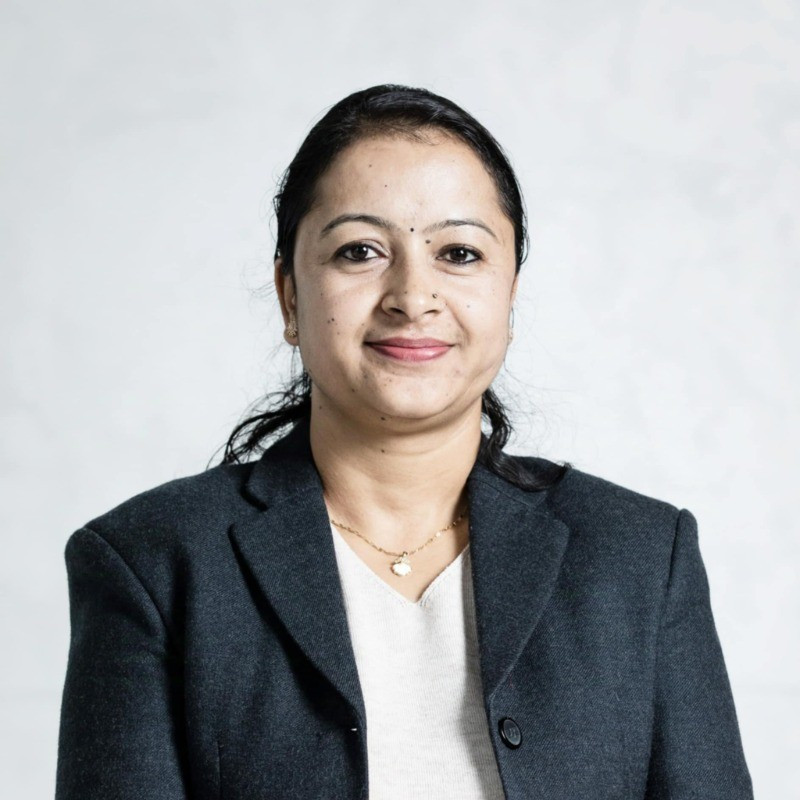
 Rojina Sharma
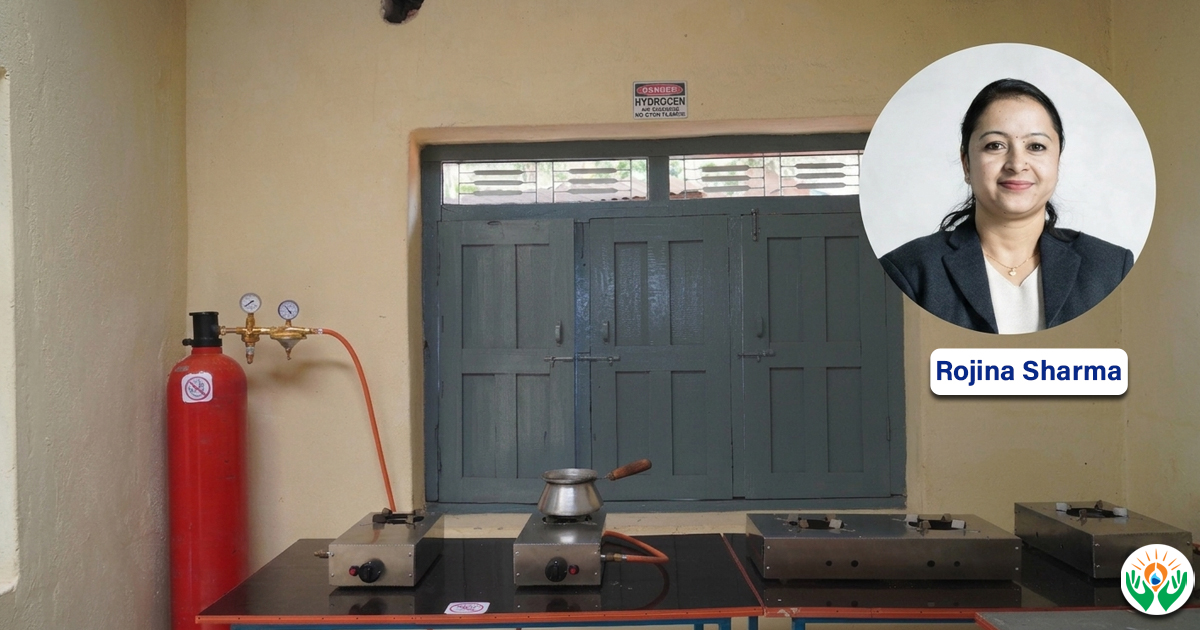
In a major milestone for Nepal’s clean energy transition, the Hydrogen- empowered Hydro-Electric Grids (HyHEG) project has successfully generated and utilized locally produced green hydrogen to power hydrogen cookstoves. This breakthrough marks the country’s first utilization of green hydrogen as a cooking fuel via direct combustion, opening a revolutionary frontier for energy independence in Nepal.
Funded by Innovate UK through its Energy Catalyst Program, this pioneering initiative is driven by a powerful consortium of six national and international partners: S&AO Ltd, the Lucerne University of Applied Sciences and Arts (HSLU), Nepal Energy Foundation (NEF), Women Network for Energy and Environment Nepal (WoNEE), InvestinGreen Ltd., and JET Engineering Services Ltd. The project’s on-the-ground success is further bolstered by critical support from the Alternative Energy Promotion Centre (AEPC), Badigad Rural Municipality, and the Giringdi Khola Micro Hydro Project.

The Gridlock & the Divide
Nepal's current cooking energy landscape is starkly divided. Nationally, over half of the population still relies on traditional solid biomass, primarily firewood, animal dung, and agricultural residues. In rural and mountainous terrain, these remain the most accessible options despite causing severe household air pollution and placing a heavy, time-consuming labor burden on women and children. Conversely, urban and peri-urban households have largely transitioned to imported Liquefied Petroleum Gas (LPG), which increases trade deficit as well as energy dependency of the country.
While Nepal’s booming hydropower sector positions it perfectly to shift toward electric cooking and such shift is also taking place gradually, a massive hurdle remains, which is infrastructure constraints. If the entire country adopts electric stoves simultaneously, the current transmission and distribution capacities of both national and local grids would face severe overloading.
The HyHEG project offers an appropriate workaround: storing off-peak hydro energy as green hydrogen gas, which can then be combusted directly for cooking without putting extra stress on the electrical grid.
 Baglung Pilot
The vision turned into reality through a rigorous, multi-stage process that took place from March 2023. Following the consortium's system design and HSLU’s cookstove development, HSLU conducted extensive safety and performance testing of the developed cookstoves. The technology was then validated through operational trials at Kathmandu University’s Green Hydrogen Lab and community acceptance assessments in Badigad Rural Municipality through a number of demonstrations.
The pilot facility was officially inaugurated in Municipality, Baglung, on 15th May 2026, by Jit Bahadur Sherchan, Minister for Economic Affairs of Gandaki Province. And the landmark event was attended by Executives from the Municipality alongside Mayors and Chairpersons from neighboring municipalities across the district, and the local communities.
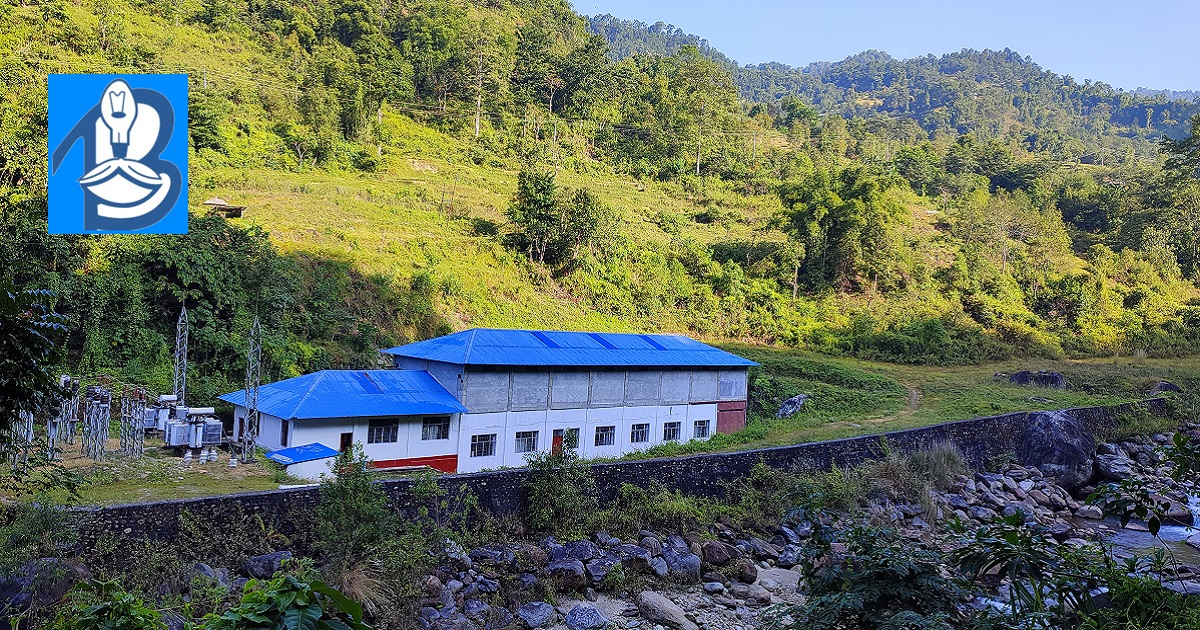
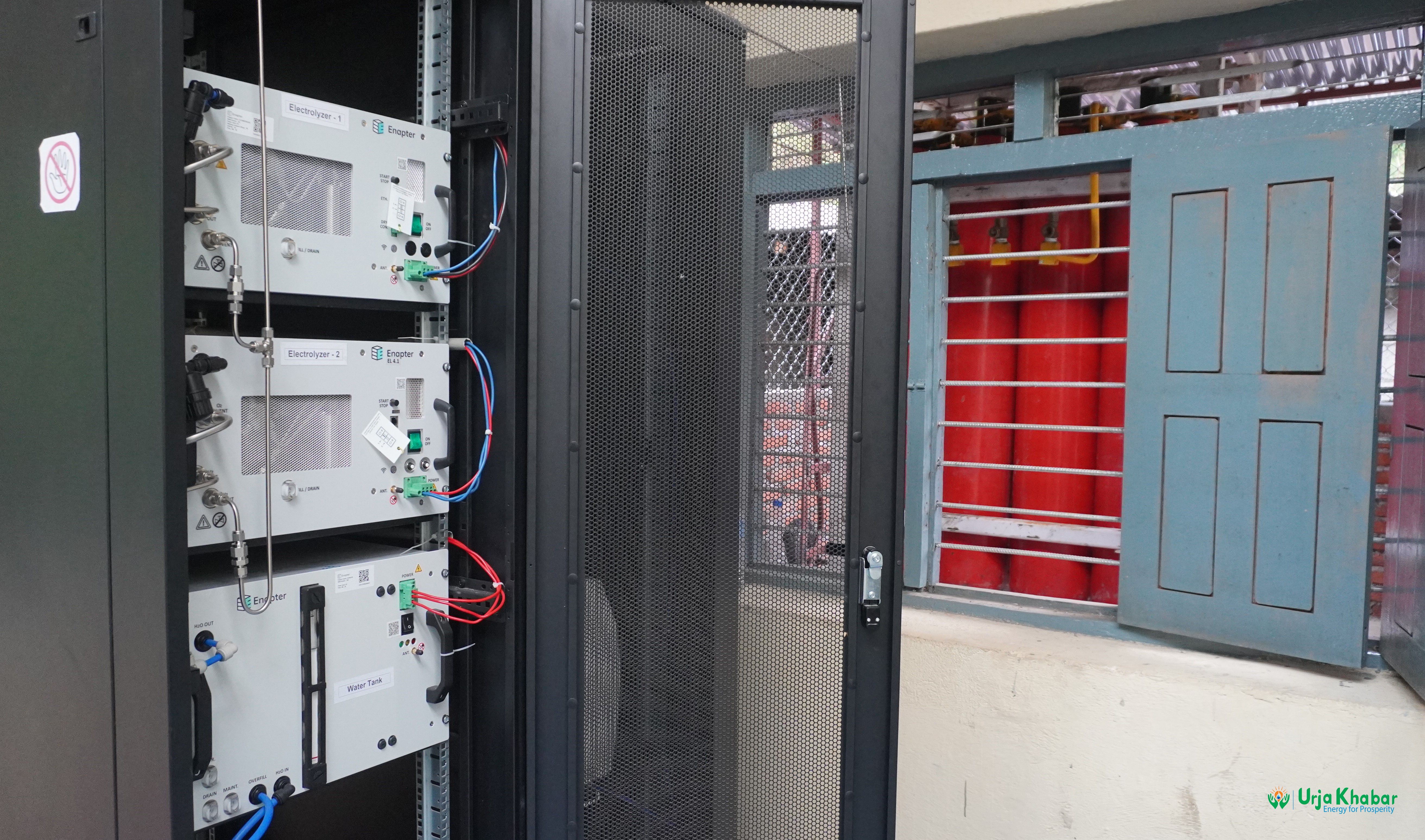
The technology is deployed at the Giringdi Khola Micro Hydro Project, Badigad Rural Municipality, Ward No. 2 and features:
• Green Hydrogen: A 5kW Anion Exchange Membrane (AEM) electrolyzer capable of producing hydrogen at an impressive 99.9% purity.
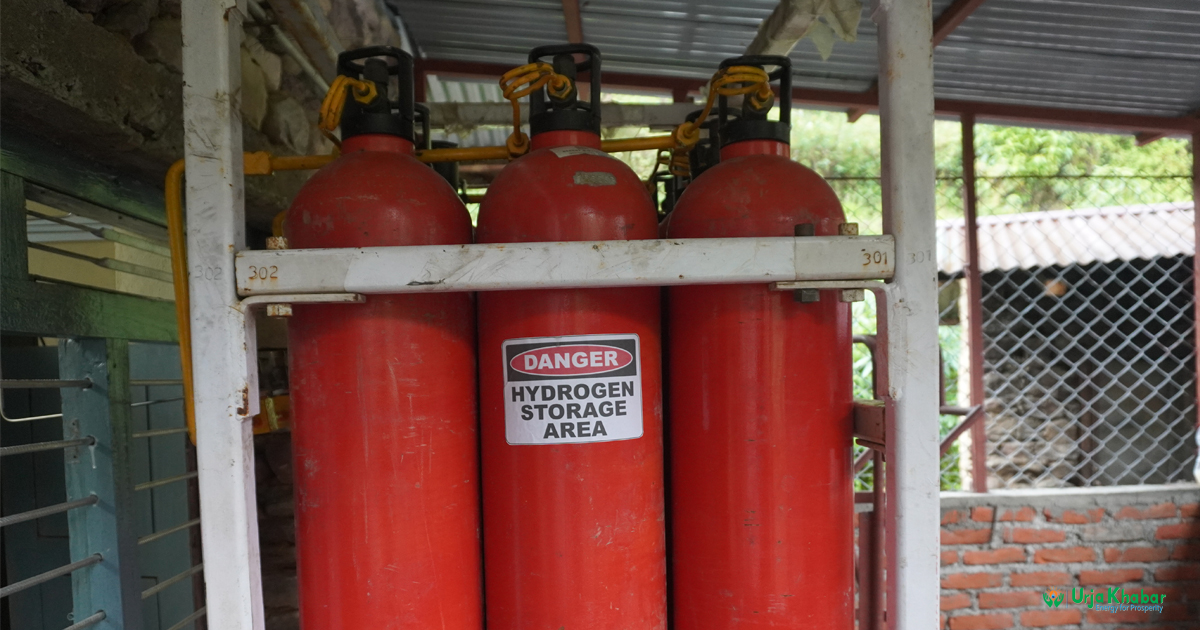
• Daily Yield & Storage: The system generates approximately 2 kgs of green hydrogen per day, safely stored at 30 bars of pressure in the cascade of hydrogen cylinders capable of storing hydrogen at 150 bars.
• Hydrogen Stoves: The project features specialized hydrogen-compatible stoves, including single-burner, double-burner, and highly innovative flexible designs tailored to insert directly into traditional rural mud cookstoves.
Currently, local operators have been trained to run the electrolyzer, hydrogen cookstoves and operate the demonstration kitchen on-site to prepare meals.
Navigating Policy Vacuums
Because Nepal currently lacks regulatory frameworks and safety standards for hydrogen usage as cooking fuel, the cooking system is strictly operated within a controlled and monitored demonstration environment managed by skilled technicians.
While the pilot has proven that green hydrogen is technically viable and culturally accepted as cooking fuel by the local community, its transition from a localized demonstration to mass-market household adoption hinges entirely on state backing.
The successful trial leaves Nepal’s policymakers with a critical question: Will the Government of Nepal recognize the immense value of this breakthrough, pioneer the necessary regulatory frameworks, and take proactive steps to champion hydrogen as the future of clean cooking?
Ms. Sharma is working as a Program Manager in Nepal Energy Foundation (NEF)
Ms. Sharma is working as a Program Manager in Nepal Energy Foundation (NEF)