 Urja Khabar
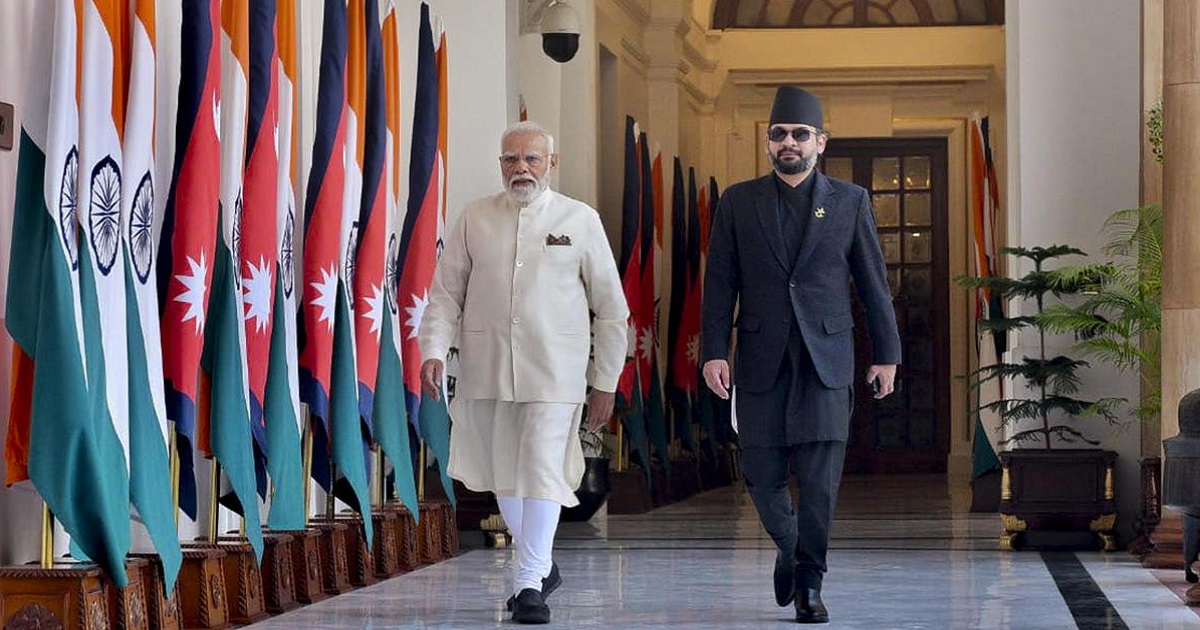
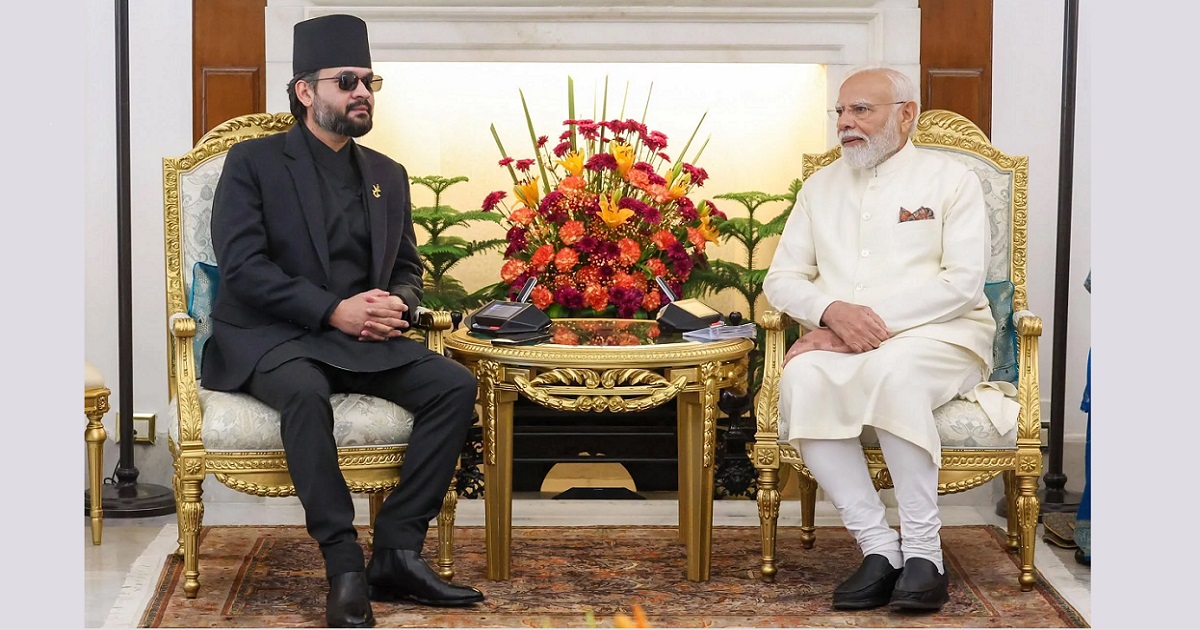
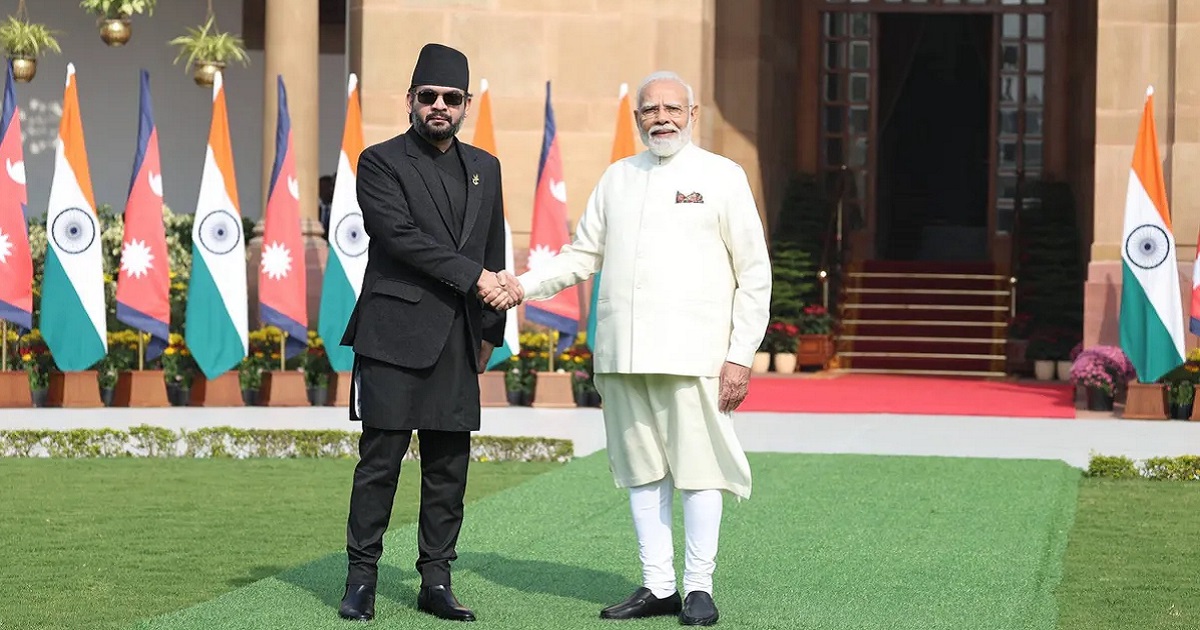
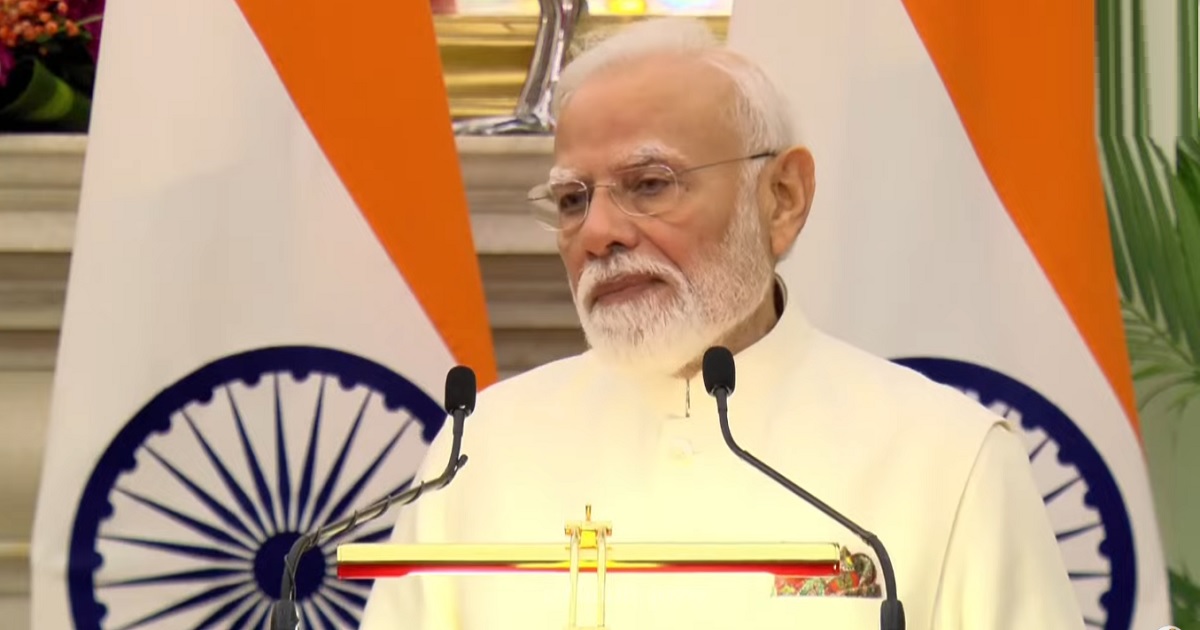
Kathmandu: Nepal and India have agreed to expedite the finalisation of the Detailed Project Report (DPR) of the long-delayed Pancheshwar Multipurpose Project and move towards its implementation, following bilateral talks between Prime Minister Balen Shah and his Indian counterpart Narendra Modi.
During Shah's two-day visit to India, the two leaders directed the Pancheshwar Development Authority and the Joint Committee on Water Resources to conclude the DPR at the earliest and initiate the next steps towards project implementation.

According to a press release issued by India's Ministry of External Affairs on Monday, the two Prime Ministers also agreed to accelerate work on the DPRs of the Saptakoshi and Sunkoshi multipurpose projects. These projects are expected to help harness shared water resources for mutual benefit while reducing the impacts of floods in both countries.
The Pancheshwar Multipurpose Project, planned on the Mahakali River, has remained stalled for decades despite being a major pillar of Nepal–India water and energy cooperation. Differences over construction costs, water-sharing arrangements and the distribution of project benefits have repeatedly delayed its progress.
Envisioned under the 1996 Mahakali Treaty, the project is designed to generate hydropower, provide irrigation facilities and support flood control in both Nepal and India. Its implementation is expected to significantly strengthen bilateral cooperation in water resource management and energy development.
In recent years, the two countries have intensified discussions to resolve outstanding issues and finalise the DPR. They have reportedly made progress in narrowing differences over construction costs, with discussions indicating that Nepal could bear around 25–30 percent of the total cost, while India would finance the remaining share.
However, the sharing of benefits derived from the project's water resources remains a major unresolved issue, continuing to complicate efforts to move the project forward.
Meanwhile, the two leaders expressed satisfaction with progress in bilateral hydropower cooperation under the India–Nepal Joint Vision Document for Power Sector Cooperation and the Long-Term Power Trade Agreement.
Both sides welcomed the growing participation of Indian companies in Nepal's hydropower sector and agreed to facilitate the timely completion of projects being developed by Indian companies in Nepal.
As part of the engagement, the two Prime Ministers also virtually laid the foundation stone for the 669 MW Lower Arun Hydroelectric Project, marking another step towards expanding cross-border energy cooperation.