
 Urja Khabar
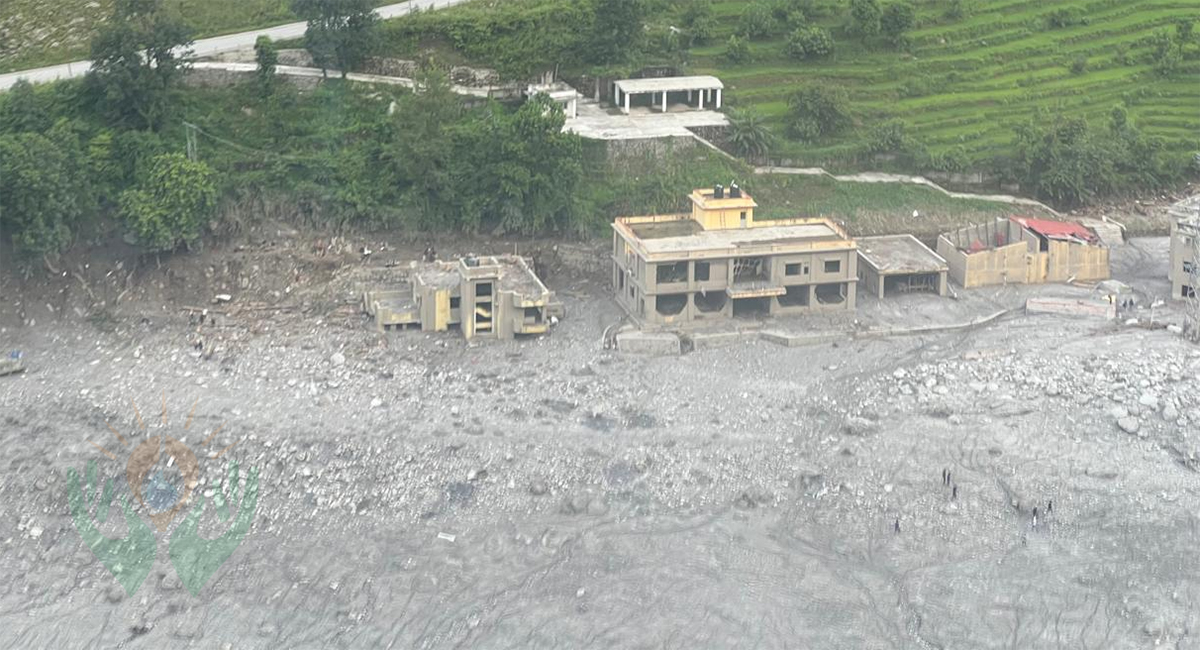
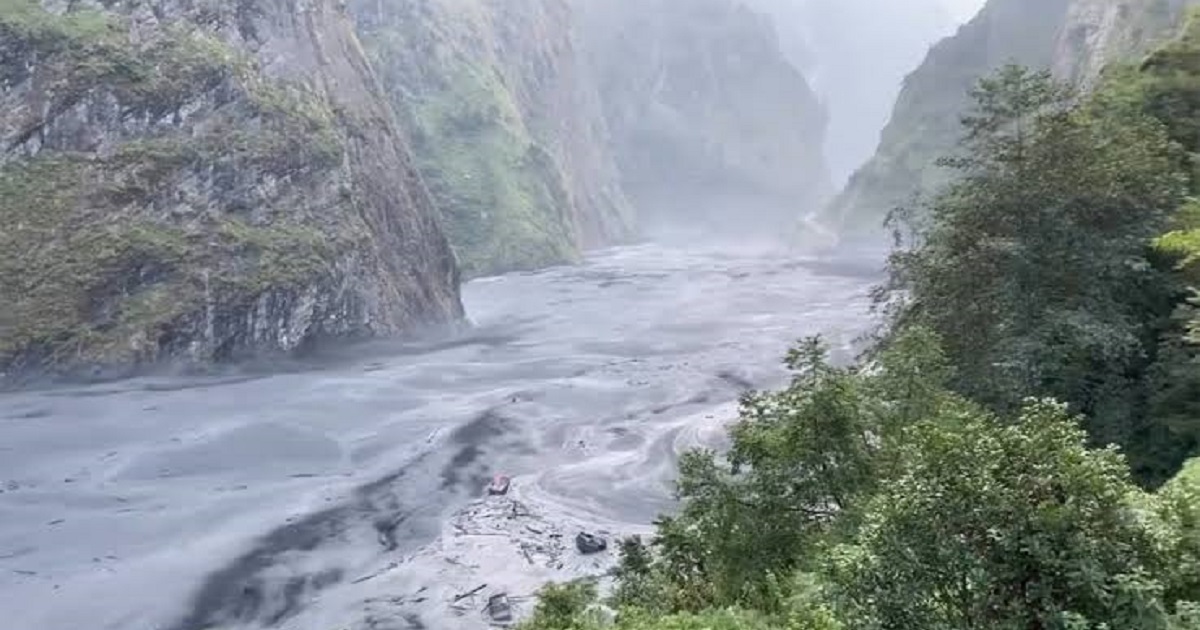
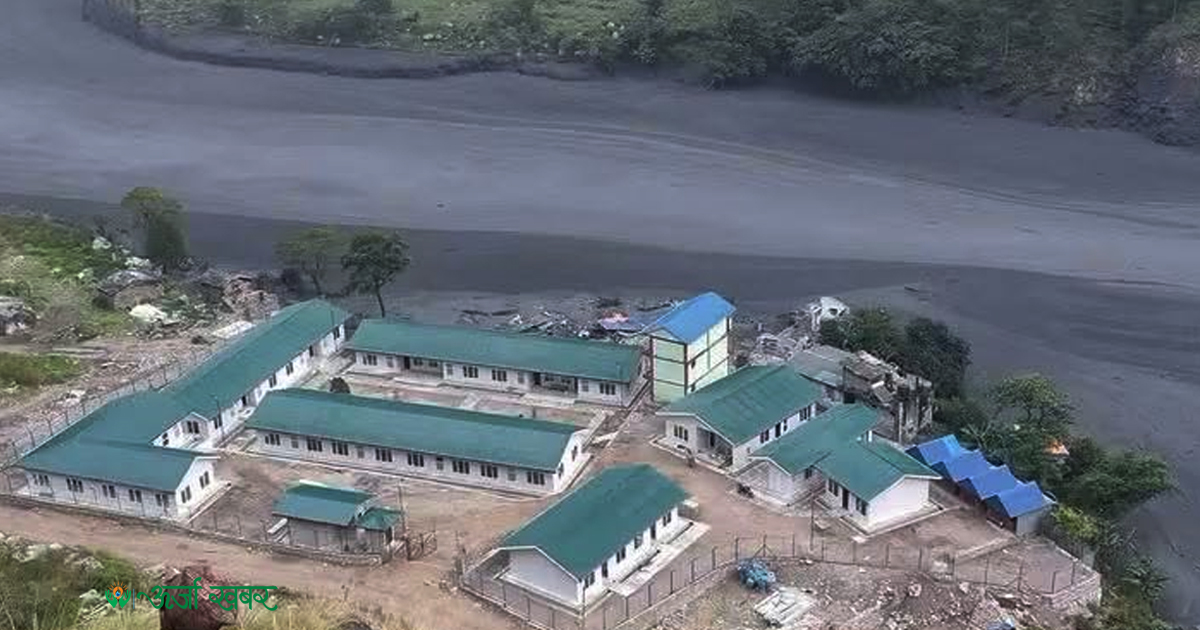
Kathmandu: The government is preparing to introduce stricter safety measures for infrastructure projects across the country following extensive damage and safety concerns triggered by the recent Bhotekoshi flood in Rasuwa.
The Ministry of Energy, Water Resources and Irrigation (MoEWRI) has prepared a concept paper proposing six key safety measures aimed at reducing disaster risks, protecting workers and strengthening emergency preparedness at project sites.

According to Energy Minister Biraj Bhakta Shrestha, the ministry has drafted policy measures covering the construction, operation, safety and management of infrastructure projects. The proposed reforms include mandatory insurance, dedicated safety officers, rescue training, emergency response plans and improvements to hydropower tunnel structures.
Under the proposal, major project structures and assets would be required to obtain insurance under the Hull Insurance modality. The draft also proposes a ‘One Project, One Safety Officer’ policy, under which each project would have a designated safety officer responsible for ensuring compliance with safety standards.
The ministry has also proposed mandatory rescue training for project personnel. Regular emergency drills would be conducted to improve evacuation procedures and enable workers to respond more effectively to disasters, accidents and other emergencies.
Project developers would additionally be required to prepare and implement comprehensive emergency response plans, including clear contingency measures for dealing with natural disasters, accidents and other crises.
The proposal also calls for project sites to maintain adequate stocks of essential supplies. Under the proposed Minimum Requirement List (MRL), hydropower powerhouses would be required to keep sufficient food and other necessities to support workers for at least 30 days during emergencies.
The ministry is also reviewing the safety and design of hydropower tunnels. According to MoEWRI, consultations are underway to explore tunnel restructuring and strengthen the design, stability and safety of tunnel routes.
The proposed measures are aimed at improving disaster preparedness and strengthening the protection of both infrastructure and workers as Nepal faces growing risks from floods, landslides and other natural hazards.
The government is expected to further discuss and refine the proposed safety standards before moving toward implementation.




.jpg)