 Urja Khabar
Kathmandu: Solar and wind power have become dramatically cheaper over the past decade, but for many developing countries, the upfront investment remains a major obstacle.
Olli-Pekka Kuusela, a researcher at the United Nations University World Institute for Development Economics Research (UNU-WIDER), said that poorer countries often face much higher borrowing costs, making clean energy projects difficult to finance even when the technology is competitive. Talking to UN News on the sideline of COP-31, Kuusela underlined the obligations being faced by the developing countries on their drive to transition to clean energy.

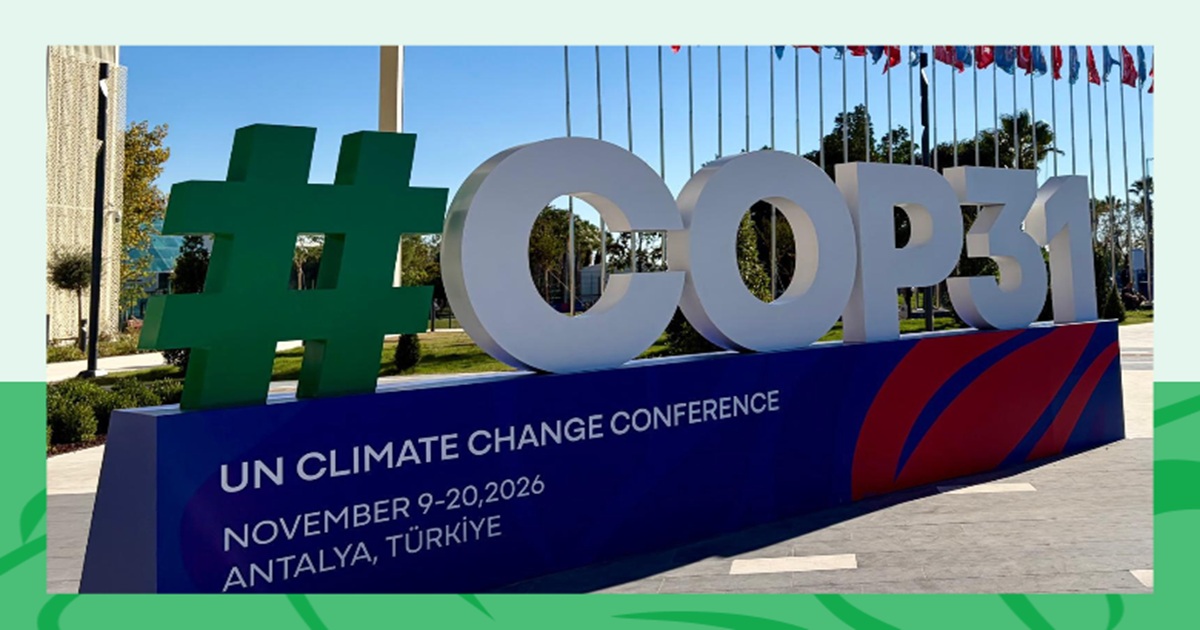
The COP-31 being organized in Turkey has considered energy transition a center stage, while majority of the participating countries map path beyond fossil fuels.
According to Kuusela, with cleaner technologies, like solar and wind, the upfront investment costs can be a bit significant. “That’s why having access to capital and having the cost of capital being reasonable is very important.”
Development banks could help by offering lower-interest loans. However, the opportunity goes beyond replacing fossil fuels.
In sub-Saharan Africa, more than half a billion people still lack electricity. Bringing reliable power to communities could support new industries, manufacturing, better services and electric public transport. And there is another challenge of making electricity systems resilient to climate change itself.
In Zambia, where Kuusela has conducted research, severe drought reduced hydropower production, leading to blackouts and electricity rationing. Expanding solar power and strengthening connections with neighboring countries could help avoid similar disruptions in the future.
The issue is also on the UN’s radar, with its Global Grids Accelerator seeking to unlock investment in electricity networks and speed up their expansion and modernization, according to Kuusela.
A Push to Go Electric
The COP 31 host Türkiye has maintained its own ambition of increasing electricity’s share of global energy consumption from just over 20 per cent today to 35 per cent by 2035.
The 35-by-35 Global Electrification Pledge sounds technical, but the idea is familiar: more electric buses instead of diesel, more homes heated without gas and more factories running on electricity.
To deliver its full climate benefits, the power must increasingly come from clean sources, say participants of COP 31.