 Rajendra Prasad Koirala
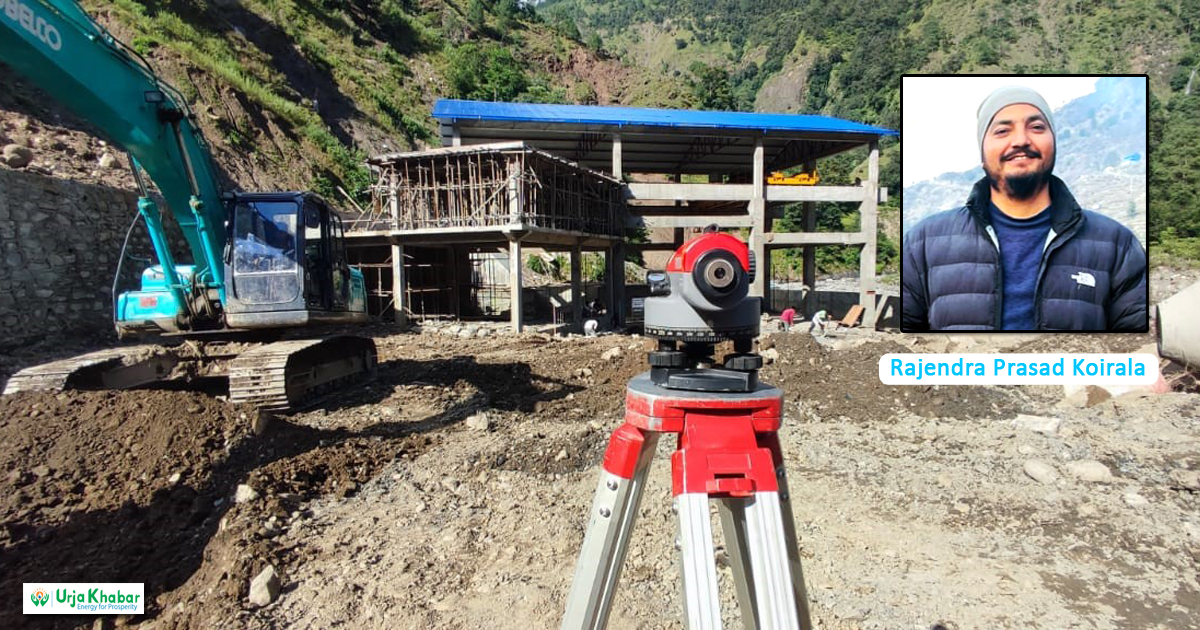
In the realm of construction, few roles are as vital to project accomplishment as that of the Resident Engineer—especially in the context of hydropower projects. These projects represent massive investments, demanding not only financial resources but also innovative design and skilled contractors as well as years of planning and execution. The true requirement for successful delivery lies in effective on-site supervision and monitoring.
This article delves into the perilous responsibilities of the Resident Engineer in hydropower developments, weighting how their technical oversight, decision-making, and field expertise ensure that every phase of construction unfolds smoothly, safely, and in alignment with project goals.

Who is the Resident Engineer?
• The Resident Engineer (RE) is the client’s representative at the project site on behalf of consultant. Who acts as the bridge between employer, contractor, and consultant bodies to ensure seamless communication and decision-making for ensuring quality, safety, and timely completion of work. Unlike visiting consultants, the RE stays full-time on site, regularly inspecting the site to verify that the work aligns with approved drawings and specifications.
Example:
"In a hydropower project, if the tunnel excavation encounters unexpected geology, it’s the Resident Engineer who decides whether to stop the work or to apply additional support, or to change the method, ensuring safety and progress."
Key Responsibilities of the Resident Engineer
1. Quality Assurance
o Ensure materials (cement, steel, aggregates) meet national code standard as well as project standards.
o Conducting inspections and ensuring that materials and workmanship as per clause 7 (Plant, Materials and Workmanship) of FIDIC contracts to meet the required standards, i.e. laboratory & field test results like concrete strength, silt content, bend tests, backfill compaction test etc.
o Approves construction methods – like surface/tunnel excavation, concreting/lining, rock bolting, and shotcrete, erection/ installation etc.
2. Monitoring & Supervision
Under FIDIC Clause 8 (Commencement, Delays, and Suspension), the RE ensures
o Daily inspection of work/schedule: Headworks/Dams, tunnels, Pipe Alignment, Powerhouse, transmission lines etc.
o Certifies contractor’s work progress and ensures approved drawing and specifications are followed.
o Stop poor-quality/ material and unsafe work immediately.
o Collaborating with contractors to develop recovery plans when delays occur.
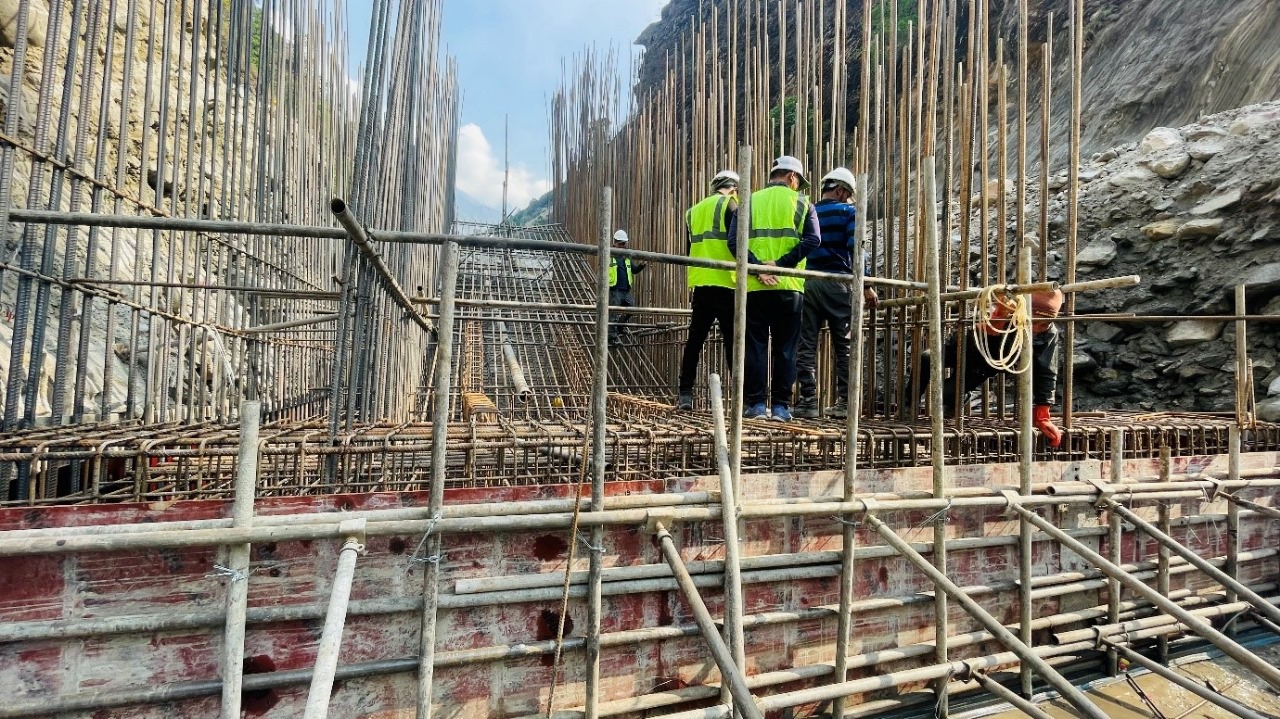 Fig: Engineer inspecting Reinforcement and Formwork
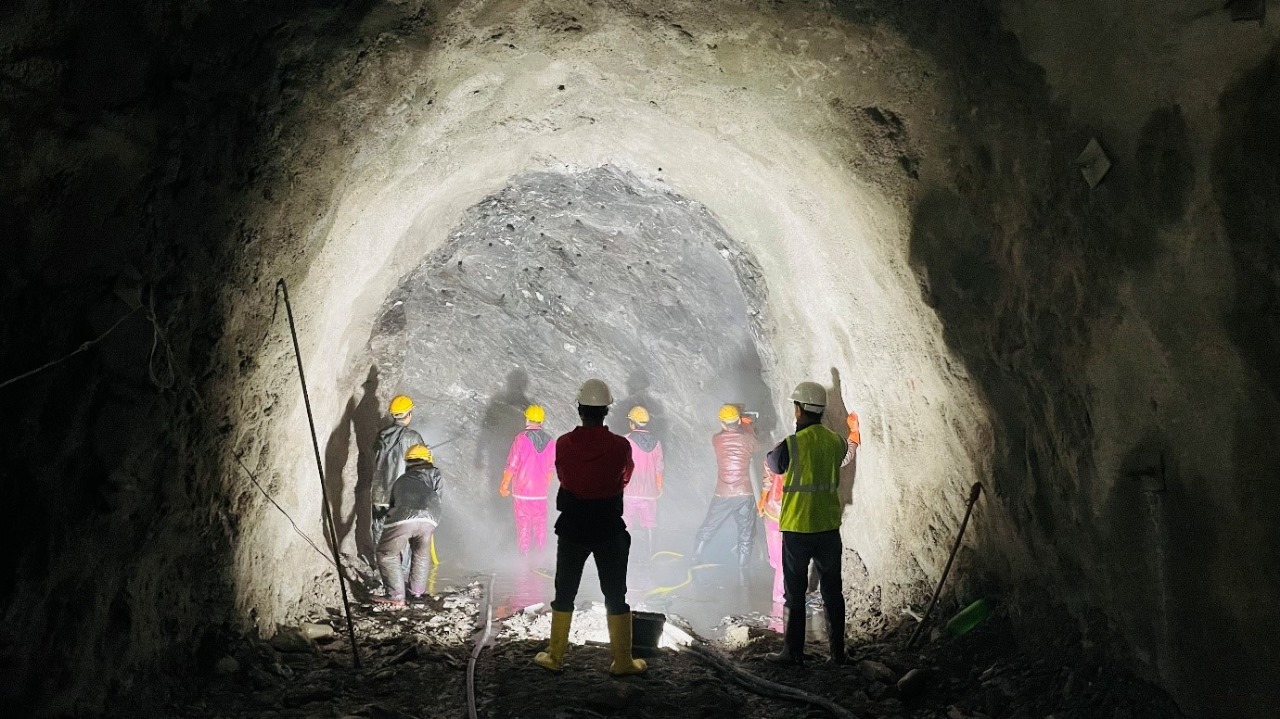 Fig: Engineer inspecting Face Drill inside Tunnel
3. Contract & Documentation
o Maintains records of progress, delays, and variations as per Clause 13 (Variations and Adjustments) of FIDIC.
o Checks/verify contractor claims, as per the work done at site and prepares site instructions, as per FIDIC Clause 14 (Contract Price and Payment).
o Maintaining Clear Documentation: Ensuring all communications, instructions, and changes are well-documented.
o Regularly communicating project progress and challenges to clients and stakeholders, while proactively addressing concerns and promoting collaboration to sustain trust and confidence throughout the project lifecycle.
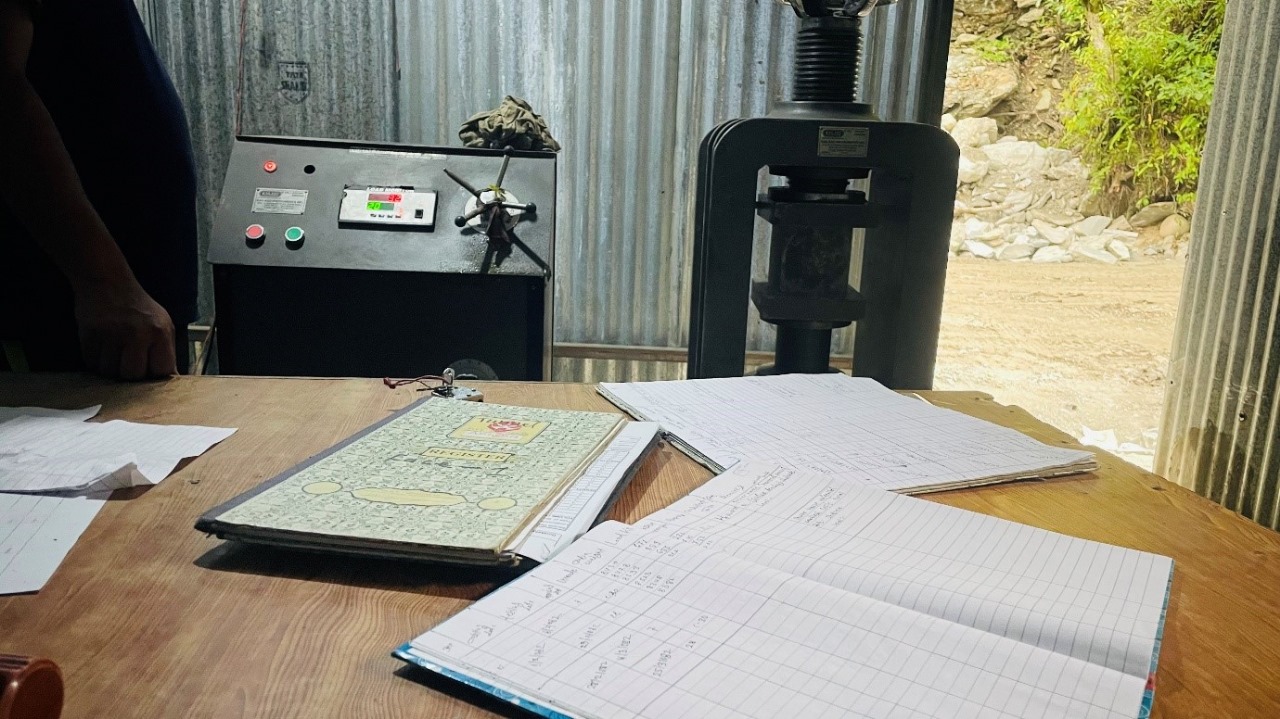 Fig: Close-ups of Concrete Compressive strength testing
4. Problem-Solving
o Balance in Schedule, Drawing, Cost, and quality while making quick site decisions.
o Deals with geological astonishments, equipment breakdowns, or manpower/material shortages as well as collaborating with contractors to develop delay recovery plans.
The Vital Role of the Resident Engineer
Hydropower projects in Nepal often face delays, cost overruns, and quality concerns. Without a strong RE, small site issues can escalate into major project risks.
• An experienced RE can ensure:
o Structures are safe and durable with quality works done during construction.
o The project finishes closer to schedule and budget.
o Long-term operation & maintenance become easier and minimized.
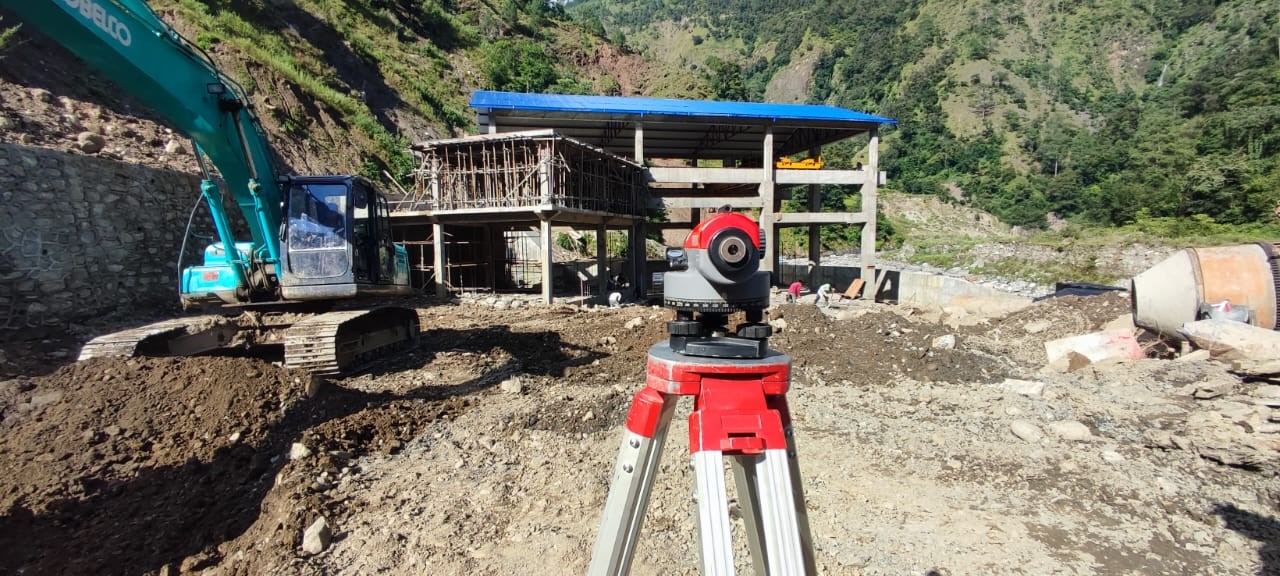 Fig: Level machine and Powerhouse area
Qualities of a Good Resident Engineer
• Strong technical knowledge in civil, Geology, Hydromechanical and electromechanical works along with the knowledge of national code related to construction and working practice.
• Skilled in documentation and communication as well as decision-making under pressure.
• Integrity – consistently placing safety and project excellence above expedience.
• Ability to enforce quality without conflict with contractors.
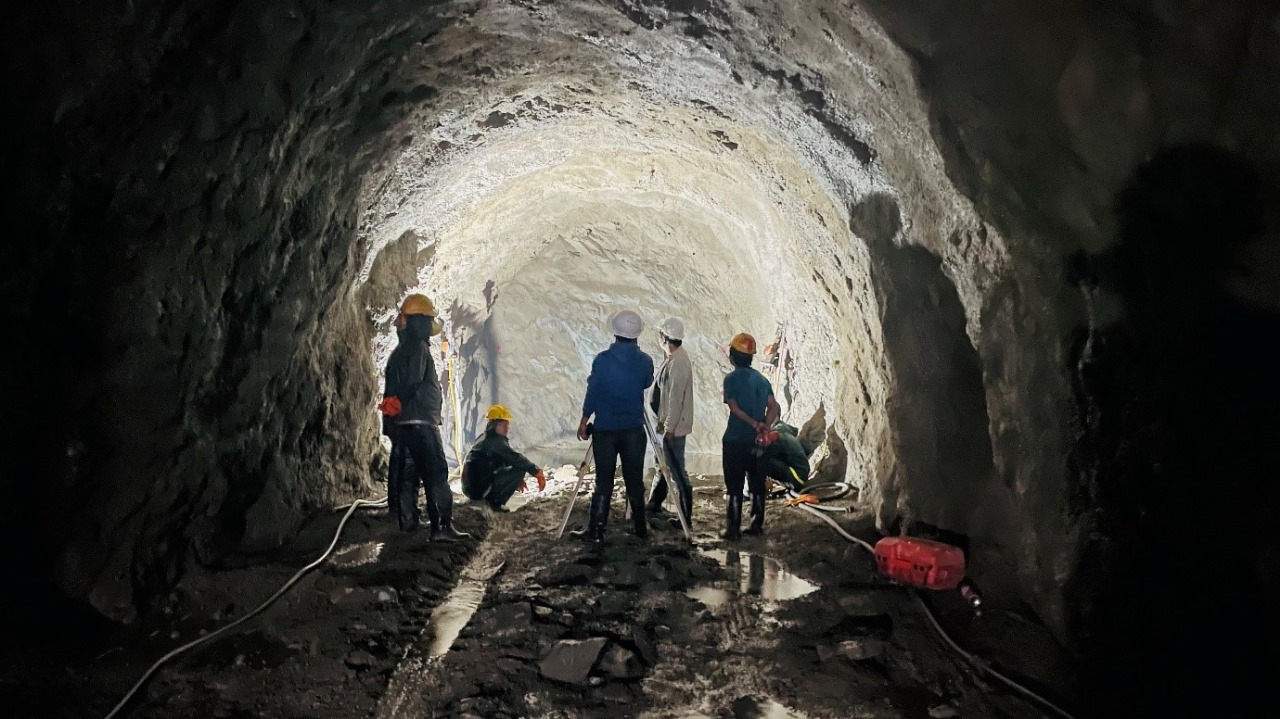 Fig: Engineer conducting surveys at Tunnel face
Conclusion
So, the Resident Engineer is key to construction of hydropower project success. They are the guardian of quality, time, and budget in hydropower projects overseeing planning and communication. Their role is critical for ensuring that these large, complex projects truly deliver sustainable energy and long-term benefits by managing risks and ensuring compliance with FIDIC contracts.
The author is currently engaged as the Resident Engineer for the 25.40 MW Super Ankhu Khola Hydropower Project.
The author is currently engaged as the Resident Engineer for the 25.40 MW Super Ankhu Khola Hydropower Project.