 Pralhad Gupta
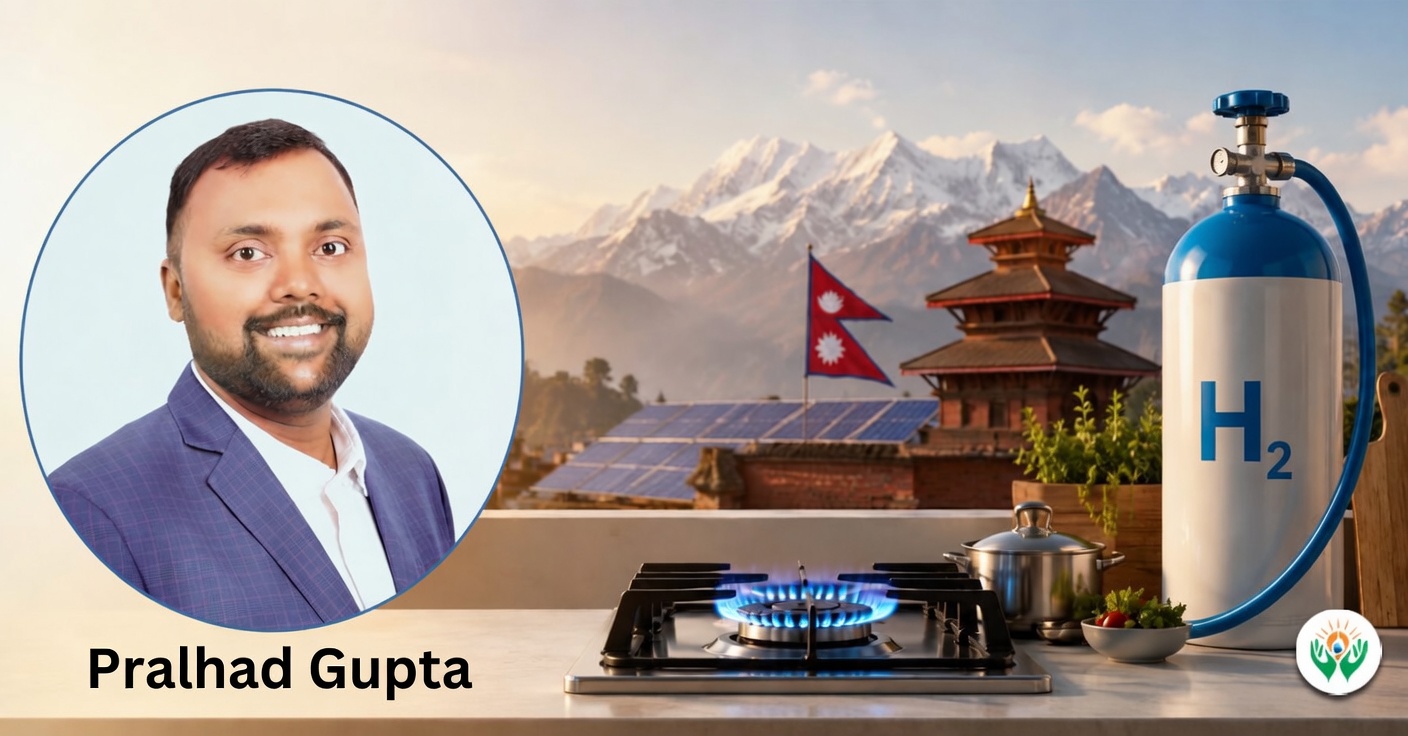
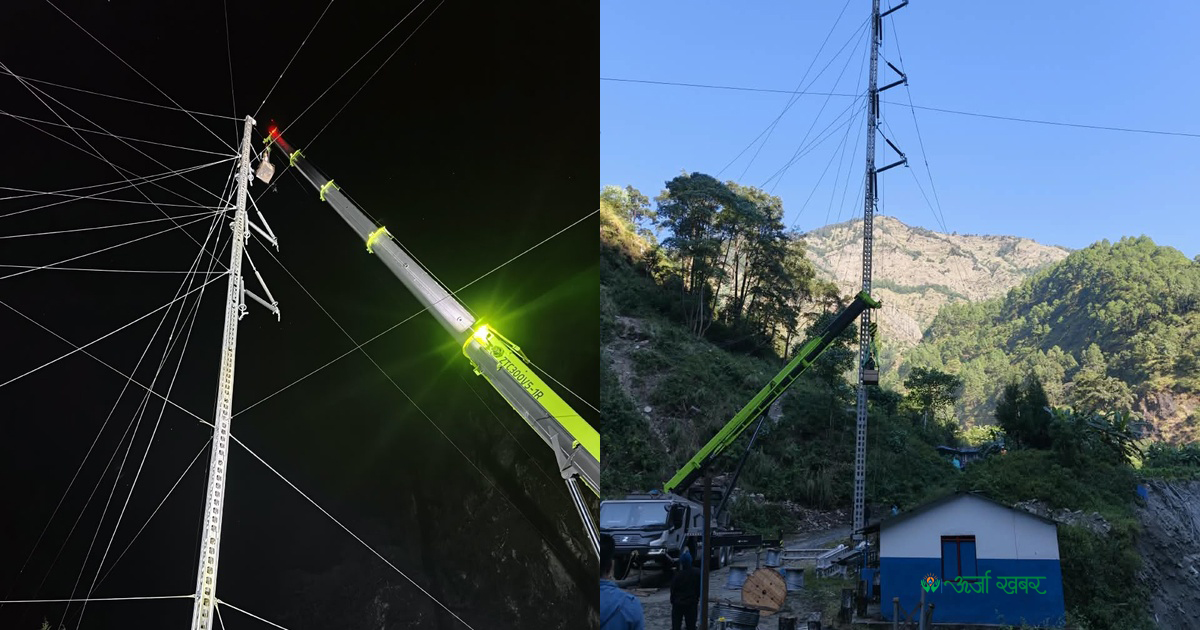
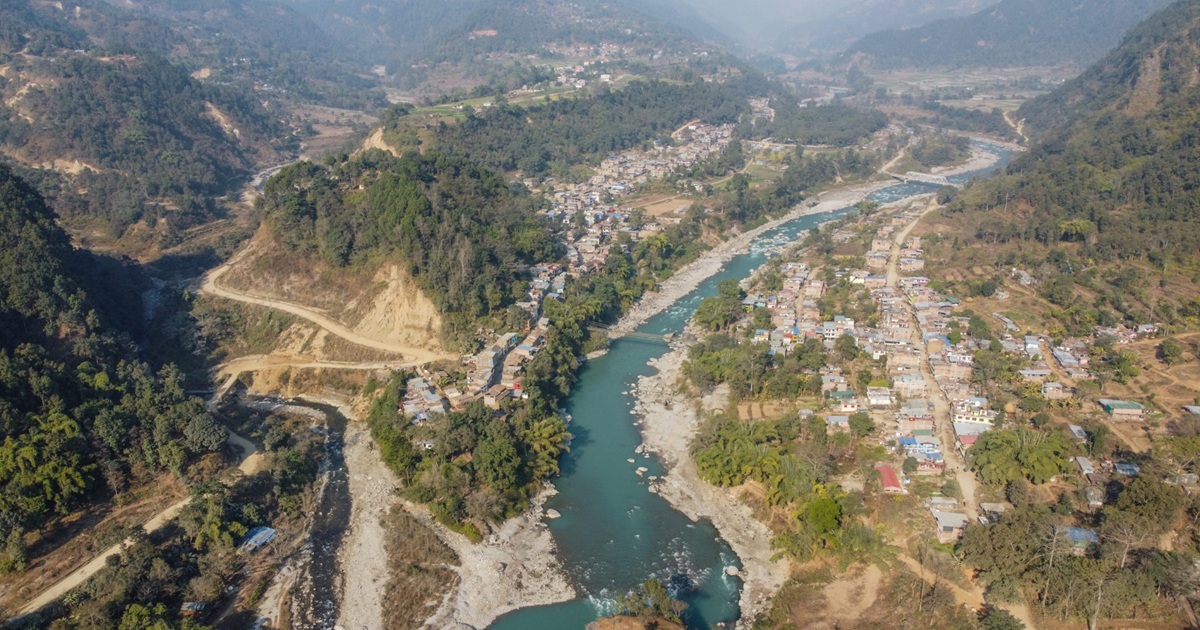
On 15 May 2026, exciting news spread across social media when people learned about the successful demonstration of hydrogen use for cooking in Badigad Rural Municipality, Baglung. The project, HyHEG (Hydrogen Empowered Hydro-Electric Grids), was led by Nepal Energy Foundation with support from Innovate UK and Lucerne University of Applied Sciences and Arts.
The Giringdi Khola micro-hydropower plant powered a 5-kW electrolyser that produced hydrogen through the electrolysis process. The hydrogen produced was stored in cylinders in compressed gas form and then used in cookstoves for a cooking demonstration. According to the project team, one kilogram of hydrogen fuel can meet the cooking needs of a small family for roughly one week1.

While large-scale applications of hydrogen are widely discussed, hydrogen use in kitchens for cooking is not something that receives much attention, even within academic research settings. Yet, this is an application area that could potentially transform the residential energy sector, especially for a country like Nepal. It is something we cannot simply ignore or dismiss.
Hydrogen has remained closely connected to both my academic and professional journeys. But I also believe enthusiasm and evidence are two different things, and at least, as someone working in this field, that is how I see it.
For the same reason, let us compare three pathways for household cooking in Nepal: LPG, electricity-based cooking, and hydrogen-based cooking. These are perhaps the three pathways that require serious attention from policymakers.
Performance
Whenever we talk about the performance of cookstoves, efficiency is one of the most important parameters. In the case of a conventional LPG stove, efficiency is around 50%. That means nearly half of the energy is wasted, while the other half reaches the cooking vessel. In contrast, induction cooktops operate at nearly 90% efficiency. Around 90% of the electrical energy input is delivered directly to the cookware through electromagnetic induction, making induction almost twice as energy-efficient as LPG for the same cooking task2.
Things become different when we move to hydrogen cooking. Electricity first splits water to produce hydrogen. The hydrogen is then compressed, stored in cylinders, and later burned in a cookstove to produce heat. The energy chain becomes much longer. The electrolyser efficiency is roughly 70–80%3, depending on the type used. Compression further reduces efficiency by around 5–10%4. Without compression, storing sufficient hydrogen would require unrealistic amounts of space. Compression makes storage more practical under space constraints. After compression, hydrogen is burned in a stove. Exact efficiency data for hydrogen cookstoves is still limited, but let us assume an efficiency of around 50%, similar to conventional LPG burners, to keep the comparison simple and easy to understand. There has been research into advanced hydrogen cookstoves with significantly improved efficiency, but most of these technologies remain within R&D settings and have yet to transition into large-scale commercial deployment.
Let us do a simple calculation. Suppose we start with 100 units of electricity. Assuming electrolyser efficiency of 75%, compression efficiency of 92%, and cookstove efficiency of 50%, the useful heat reaching the cooking vessel becomes approximately 34%.
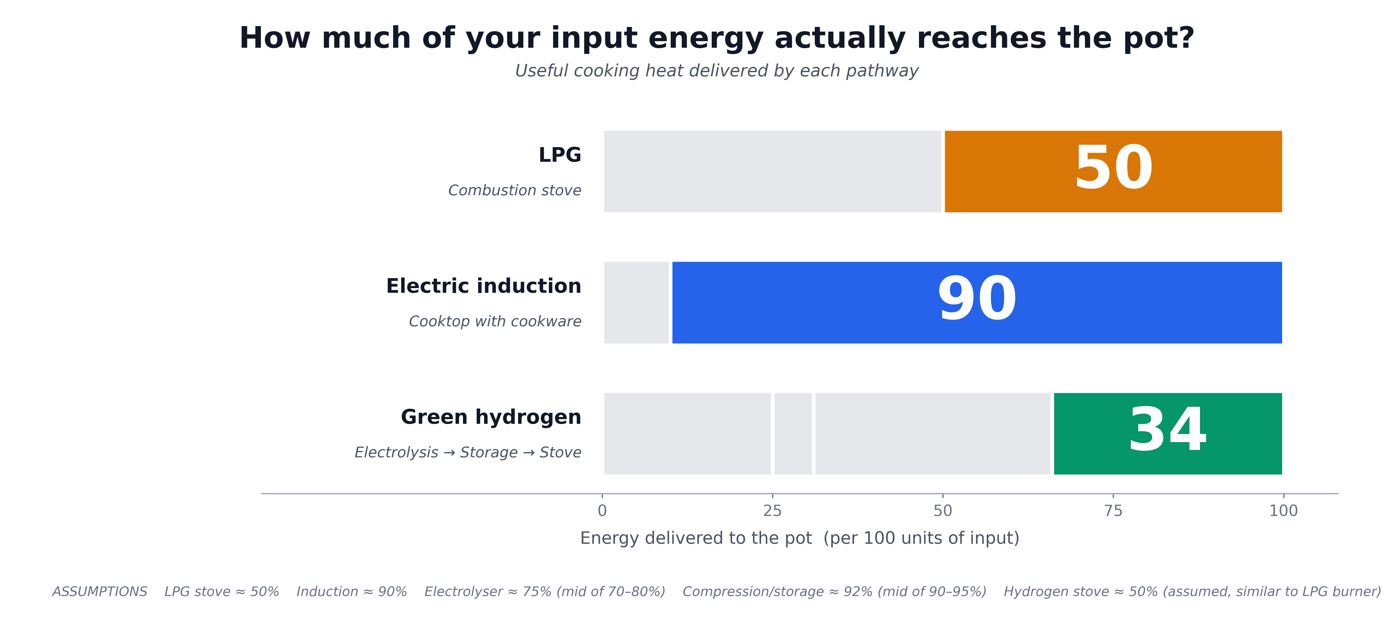 This is not a flaw of any pilot project or demonstration effort. It is simply a thermodynamic reality whenever hydrogen is produced through electrolysis and later used as a cooking fuel.
Safety
Whenever hydrogen is discussed, concerns about safety naturally arise. But first, we must understand that no fuel is completely safe or risk-free. LPG is heavier than air, meaning leaked gas tends to accumulate near the floor. LPG-related accidents, especially in South Asia, are unfortunately quite common. Poor handling practices, faulty regulators, and extremely old cylinders are often major reasons.
Hydrogen behaves quite differently. It has a much wider flammability range in air, roughly 4–75%, making its combustion behavior much broader than many conventional fuels. Even a small spark may be enough to ignite it5. These characteristics certainly make hydrogen a high-risk fuel if not managed properly. Its risks are manageable through proper system design, installation, ventilation, monitoring, and maintenance. Safety protocols and strict adherence to standards remain essential not only for hydrogen but also for any fuel system.
Whether Nepal currently has the infrastructure and regulatory readiness for household hydrogen deployment should not even be a question at this stage, because realistically, it does not. In a country where even LPG cylinder standards are unevenly enforced outside major cities, deploying hydrogen cylinders into rural households without an established regulatory framework could introduce a completely different category of risk.
Cost
Nepal’s LPG imports increased from around Rs. 55.61 billion in fiscal year 2023/246 to nearly Rs. 62.58 billion in 2024/257. The LPG import bill reached Rs. 31.85 billion within just the first seven months of fiscal year 2025/268. In recent times, we have all witnessed supply pressures caused by geopolitical developments. The Nepal Oil Corporation increased the price of a full 14.2 kg LPG cylinder to Rs. 2,160 and even distributed half-filled cylinders at one stage to ensure supply reached as many households as possible13.
Techno-economic studies have estimated the levelized cost of hydrogen production in Nepal at around $1.74 to $4.84 per kilogram9, with a central estimate of approximately $3.5 per kilogram10. Using the exchange rate of Rs. 154.16 per USD published by Nepal Rastra Bank14, hydrogen cooking already appears roughly 35–40% more expensive than LPG cooking per unit of useful cooking energy under central estimates. This comparison is based on a hydrogen lower heating value (LHV) of 120 MJ/kg and an LPG calorific value of approximately 46.1 MJ/kg15.
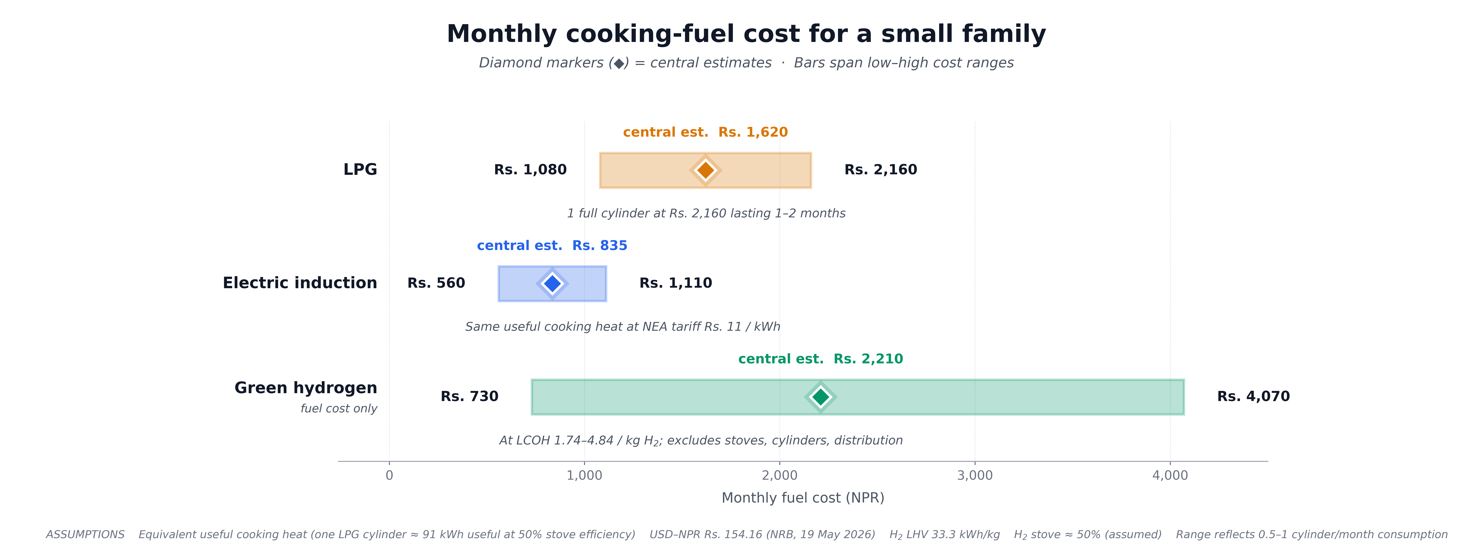 Bringing hydrogen into Nepali homes for cooking would require entirely new infrastructure: specialized cookstoves, certified cylinders, distribution systems, compression facilities, safety monitoring systems, and trained technical personnel. None of these currently exist in Nepal at scale. Once these additional costs are included, end-user costs would likely exceed both LPG and induction cooking by a substantial margin.
Induction cooking, meanwhile, offers strong advantages in affordability and practicality for most Nepali households. A Nepal-based 2024 study published in The Lancet Planetary Health found that simply reallocating existing LPG subsidies toward electric cooking could increase household adoption from 46% to 64% without additional public spending, while potentially preventing around 9,563 premature deaths annually through reduced household air pollution (11).
Two More Factors Nepal Cannot Afford to Overlook
Infrastructure Readiness
At present, Nepal has no hydrogen distribution network, no standardized regulations for household hydrogen cylinders, no trained workforce for hydrogen systems, and no established consumer safety certification framework. The Baglung pilot is an impressive success, but how far and how fast such systems can realistically scale across Nepal remains an important question. At the same time, around 95% of Nepali households already have access to grid electricity, which can support induction cooking with relatively fewer challenges12.
Energy Security and Strategic Fit
Over Rs. 62 billion flows out of Nepal every year through LPG imports7). Nepal’s growing hydropower surplus presents an opportunity to reduce this dependency. But an important question remains: should Nepal use electricity directly through induction cooking or convert electricity into hydrogen before finally cooking with what remains? Hydrogen offers a potential pathway for storing surplus electricity that might otherwise go unused during periods of oversupply.
Are We Ready Yet?
There is an important difference between a technology that can work under carefully controlled pilot conditions and one that is ready to be promoted as a nationwide cooking solution today. Asking questions and examining evidence before making decisions should never be seen as pessimism, especially when those decisions relate to national energy security, economic resilience, and long-term development. Pilot projects are vital for our societies to explore the future. But national energy policy needs to be guided not only by technological possibility but also by efficiency, affordability, safety, and scale.
“Given Nepal’s existing electricity grid, its growing hydropower surplus, and the billions spent every year on imported LPG, which pathway can deliver affordable, safe, and clean cooking to the largest number of Nepali households as quickly as possible?”
References
[1] Spotlight Nepal, "Green hydrogen cooking technology moves from pilot project to commercial use," 16 May 2026.
[2] B. Pandey, "Nepal turns on the electric switch," Nepali Times, 2 Aug 2024.
[3] A. Headley, "Hydrogen Energy Storage," Ch. 11, DOE Energy Storage Handbook, Sandia National Laboratories, 2022.
[4] J. Bartlett and A. Krupnick, Decarbonized Hydrogen in the US Power and Industrial Sectors, Resources for the Future, Report 20-25, 2020.
[5] AIChE Center for Hydrogen Safety, "Hydrogen Flammability," The Elemental.
[6] Sharesansar, "Nepal's Petroleum Import Bill Declines by NPR 11.07 Billion Despite Increased Import Volume," 25 Jul 2024.
[7] Spotlight Nepal, "Nepal's Trade Deficit Rose," 23 Jul 2025.
[8] U. Thapa, "West Asia tensions push fuel prices up, threatening Nepal's economy," Nepal News, 17 Mar 2026.
[9] S. Niroula et al., "Green hydrogen production from surplus hydroelectric power: A case study in Nepal," Int. J. Hydrogen Energy 92 (2024): 527–534.
[10] B. Paneru et al., "Techno-economic analysis of green hydrogen production, storage, and waste heat recovery plant in the context of Nepal,"Int. J. Hydrogen Energy 77 (2024): 892–905.
[11] C. Ramirez et al., "Achieving Nepal's clean cooking ambitions: an open source and geospatial cost–benefit analysis," Lancet Planet Health 8(10), 2024: e754–e765.
[12] S. Awale, "What's cooking in Nepal besides politics?" Nepali Times, 13 Jul 2024.
[13] Nepal News, "LP gas price increased," 1 May 2026.
[14] Nepal Rastra Bank, Foreign Exchange Rates, 19 May 2026.
[15] U.S. DOE Hydrogen Analysis Resource Center, "Lower and Higher Heating Values of Fuels."
Mr. Gupta is a PhD candidate in Energy and Resources Engineering at Peking University, specializing in hydrogen technologies, clean energy systems, and electric mobility.
Mr. Gupta is a PhD Candidate in Energy and Resources Engineering at Peking University, where his research focuses on the techno-economic and life cycle analysis of green hydrogen and ammonia systems.