 Urja Khabar
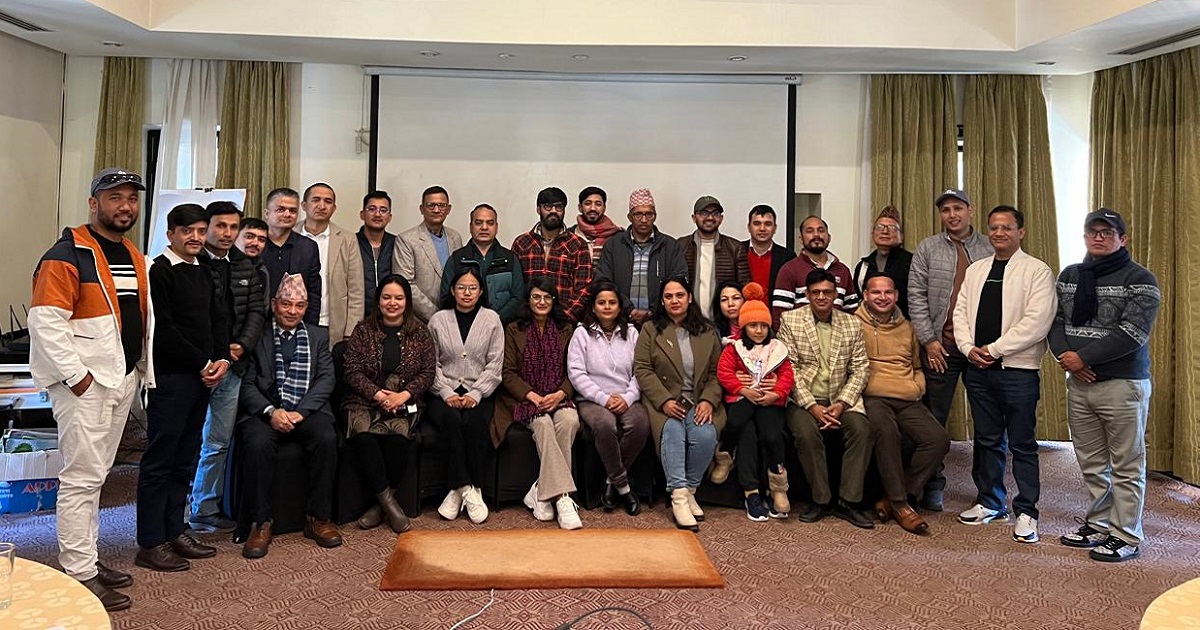
Kathmandu : Under the support of the German development agency GIZ, the Renewable Energy and Energy Efficiency Programme – Green Recovery and Empowerment with Energy in Nepal (REEEP-GREEN) has successfully concluded a two-day orientation training program aimed at enhancing the capacity of journalists who have been reporting on the energy sector through various national media outlets.
Stating that journalists play a vital role in disseminating accurate information and facts for the overall development of the energy sector, REEEP–GREEN Senior Energy Expert Dr. Narayan Prasad Chaulagain said that the training was organized to strengthen their professional capacity.

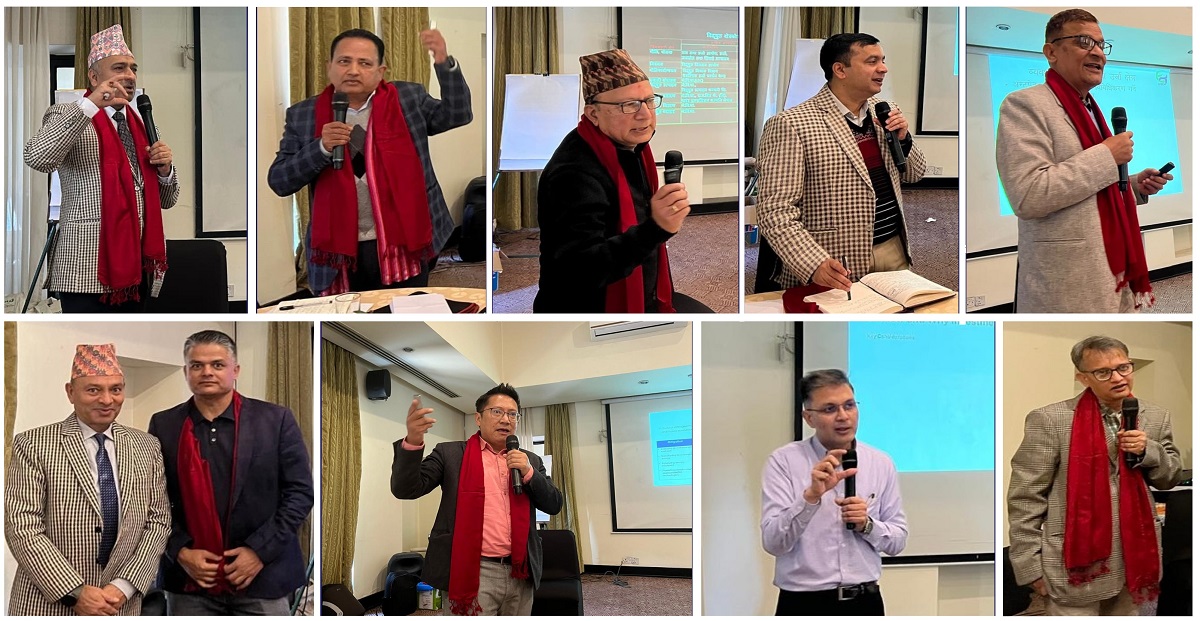
During the program, Dr. Ram Prasad Dhital, Chairman of the Electricity Regulatory Commission (ERC), delivered a session on “Regulatory Affairs, Policies, and Sectoral Reforms.” Former Secretary of the Government of Nepal, Dinesh Kumar Ghimire, provided training on “Policy Amendments, Electricity Bill, and Implementation Challenges,” while Navaraj Dhakal, Executive Director of the Alternative Energy Promotion Centre (AEPC), spoke on “The Role of Viability Gap Funding (VGF) for Renewable Energy and Energy Efficiency.”
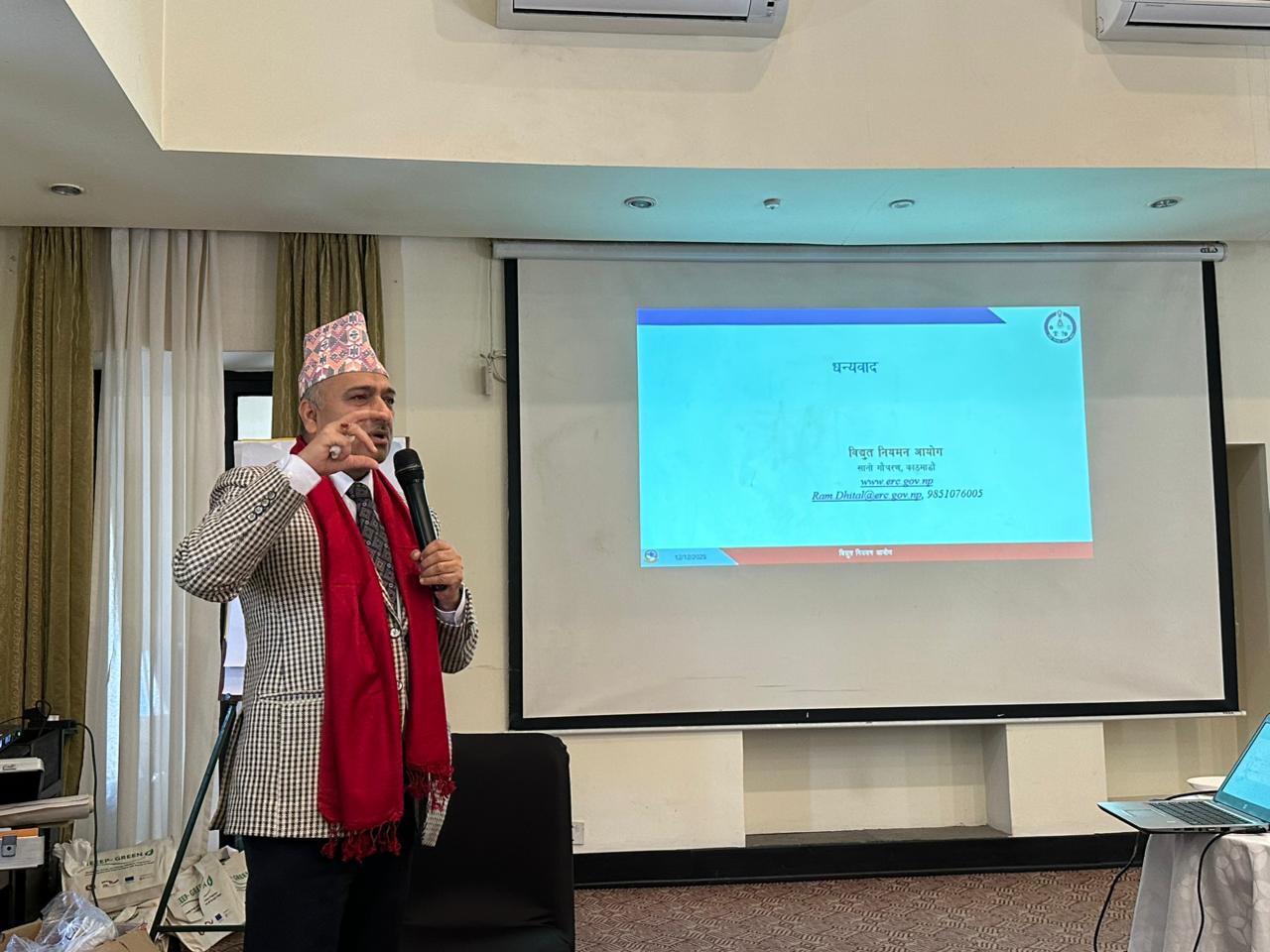 Similarly, former Deputy Managing Director of the Nepal Electricity Authority (NEA), Sher Singh Bhat, delivered a session on “Technical, Legal, and Cross-Border Dimensions of the Energy Sector.” Surya Prasad Adhikari, President of Green Energy Entrepreneurs Nepal (GrEEN), spoke on “Private Sector Concerns and Institutional Performance,” and energy expert Kushal Gurung, President of the Renewable Energy Confederation Nepal (RECON), presented on “Climate Action, COP Outcomes, and Carbon Trading.”
Likewise, legal expert Semanta Daha conducted a session on “Stakeholder Concerns on Power Project Investments.” Dinesh Dulal, Head of Sustainable Banking at NMB Bank, spoke on “Banking Sector, Investment Challenges, and Financial Policies,” while Murahari Parajuli, Spokesperson of the Nepal Stock Exchange (NEPSE), delivered a presentation on “Capital Market Regulation and Performance in the Energy Sector.”
Dr. Chaulagain also facilitated and delivered a session on “Energy Management, Efficiency, and Carbon Emission Reduction.” He stated that “providing incorrect information is more harmful than not providing information at all,” and stressed that journalists reporting on the energy sector must prioritize the dissemination of accurate facts, data, and information. He further expressed REEEP–GREEN’s commitment to organizing similar training programs in the future and to supporting training initiatives organized by other institutions.
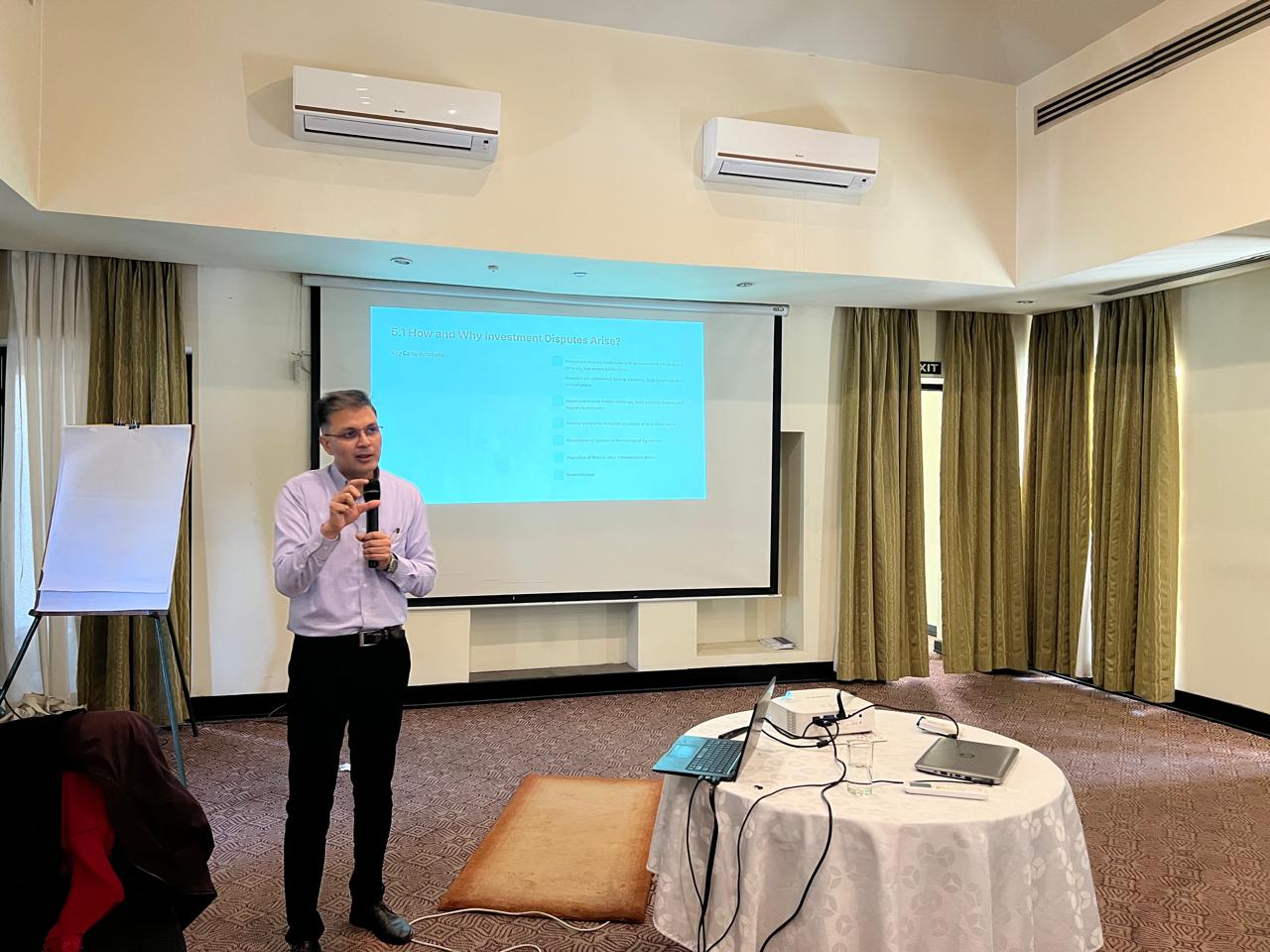 The training, held on December 12–13 at Gokarna Forest Resort in Kathmandu, trained 21 journalists through sessions conducted by 10 subject experts on various energy-related topics. During the program, experts emphasized the need to reduce legal and procedural complexities in Nepal’s energy sector, move forward with a one-window policy, and abolish overlapping regulatory laws and institutions in favor of an integrated implementation approach.
The program was coordinated and facilitated by Laxman Biyogi, Editor of Urja Khabar. Sharing his experience, senior journalist Krishna Adhikari said that the training provided valuable learning opportunities for journalists covering the energy sector.
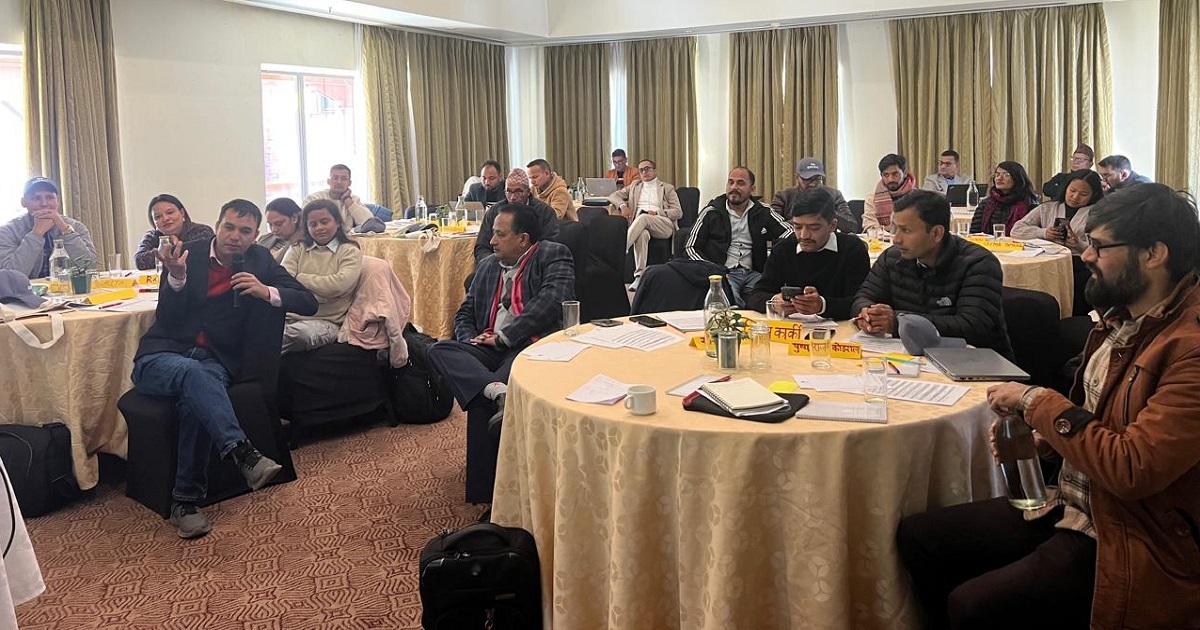 Similarly, journalist Ram Prasad Pudasaini, sharing his experience at the closing session, said that such training and orientation programs help make journalists more competent. Highlighting the importance of field reporting, he noted that journalists need to put in greater effort at the ground level. Journalist Sunita Karki also shared that although the sessions were all related to energy, the diversity of topics presented by experts provided significant learning outcomes.
At the conclusion of the program, certificates were distributed to the participants.