 Urja Khabar

Kathmandu: The growing transboundary nature of disasters in the Himalayan region has created additional challenge to Nepal in its reconstruction drive.
Prof. Mahendra P Lama, a development economist and senior advisor to the International Centre for Integrated Mountain Development (ICIMOD), opined the view in the recently published write-up in Deccan Herald, an international media platform.

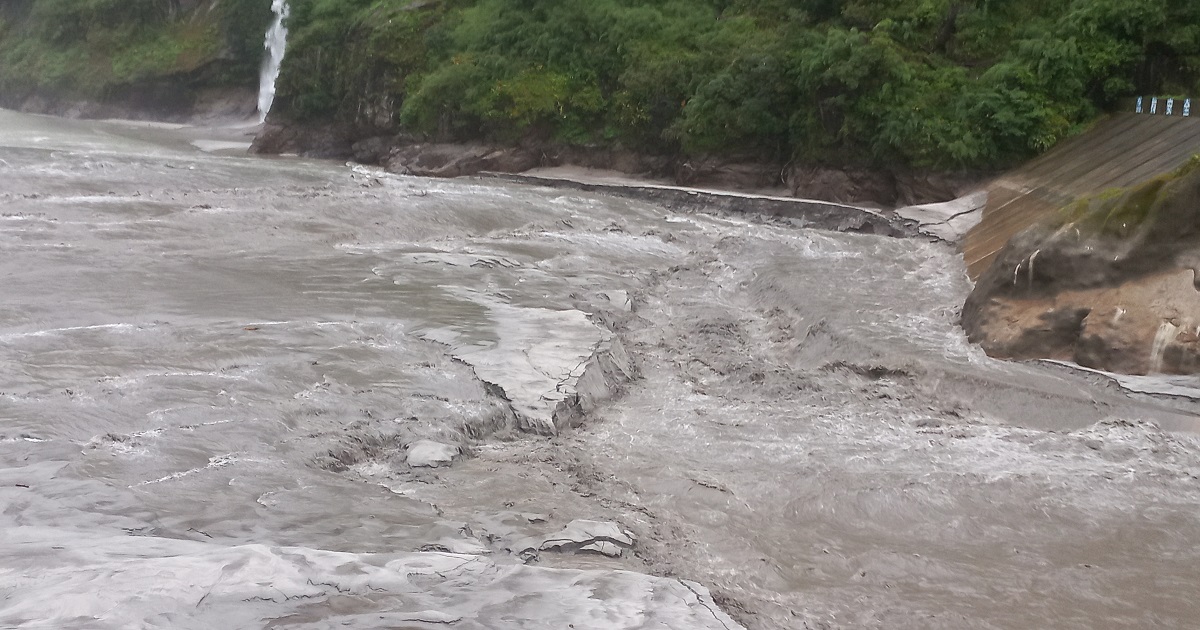
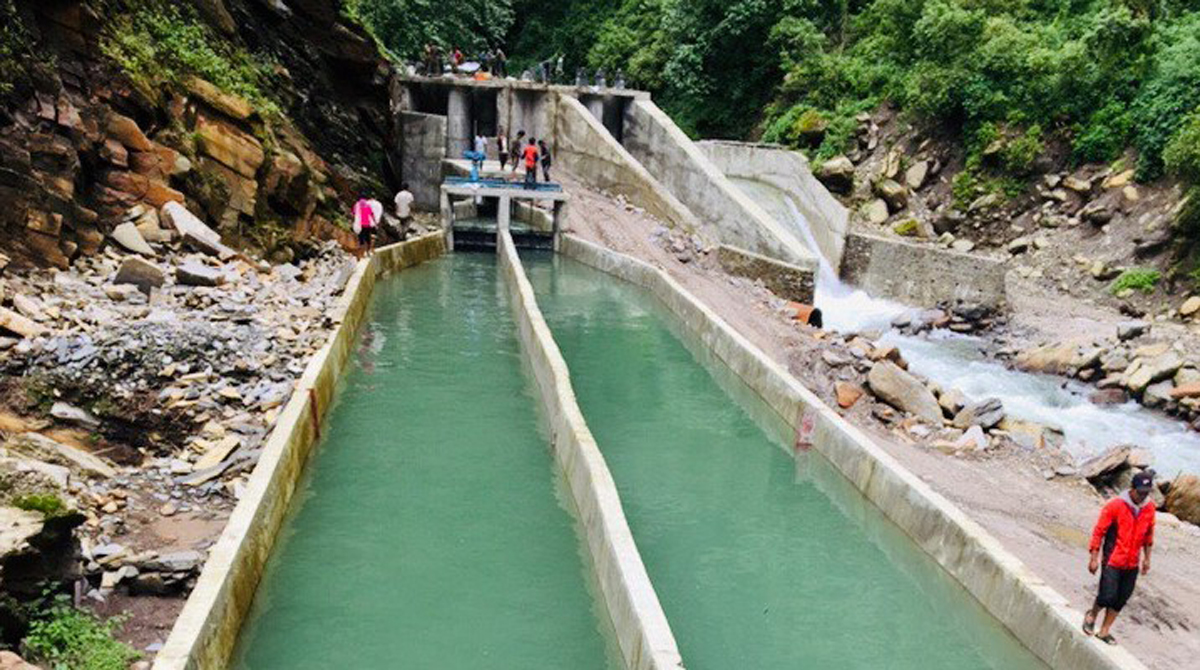
The devastating floods in Nepal’s Bhotekoshi–Trishuli river basin have inflicted widespread human, economic and environmental damage, destroying villages, infrastructure, agricultural land and cultural heritage while severely damaging hydropower projects and border facilities.
The disaster also dealt a major blow to trade, tourism and pilgrimage infrastructure along the Nepal-China border at Rasuwa-Kerung, raising fresh questions about the resilience of planned connectivity and Belt and Road Initiative projects in the region.
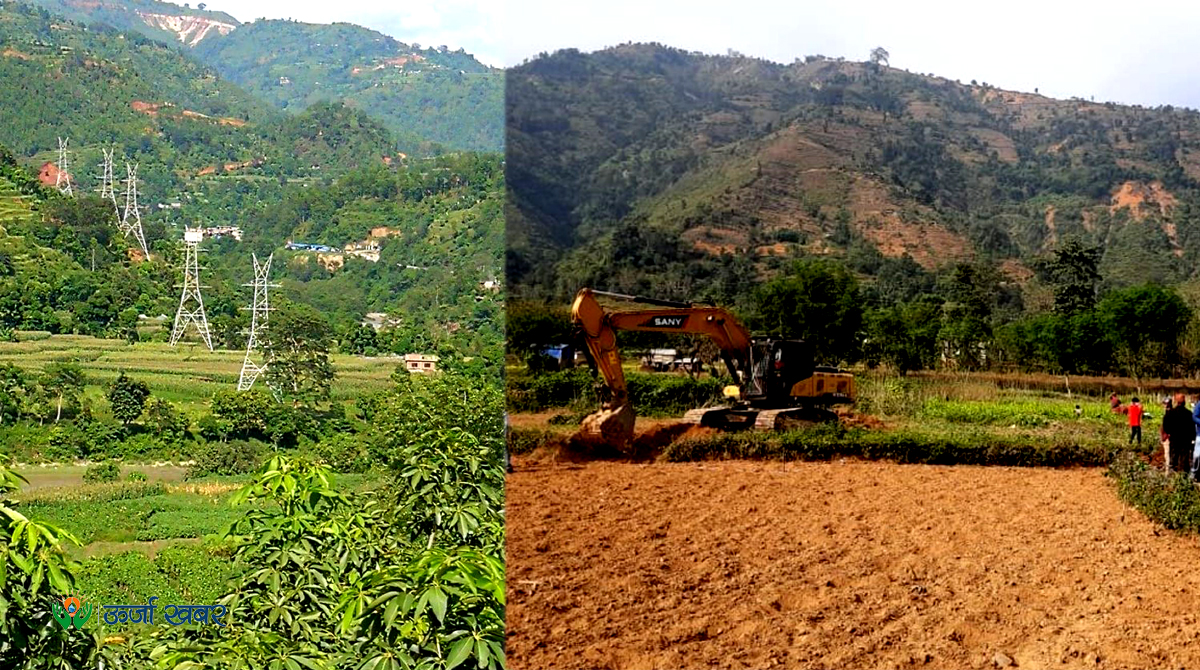
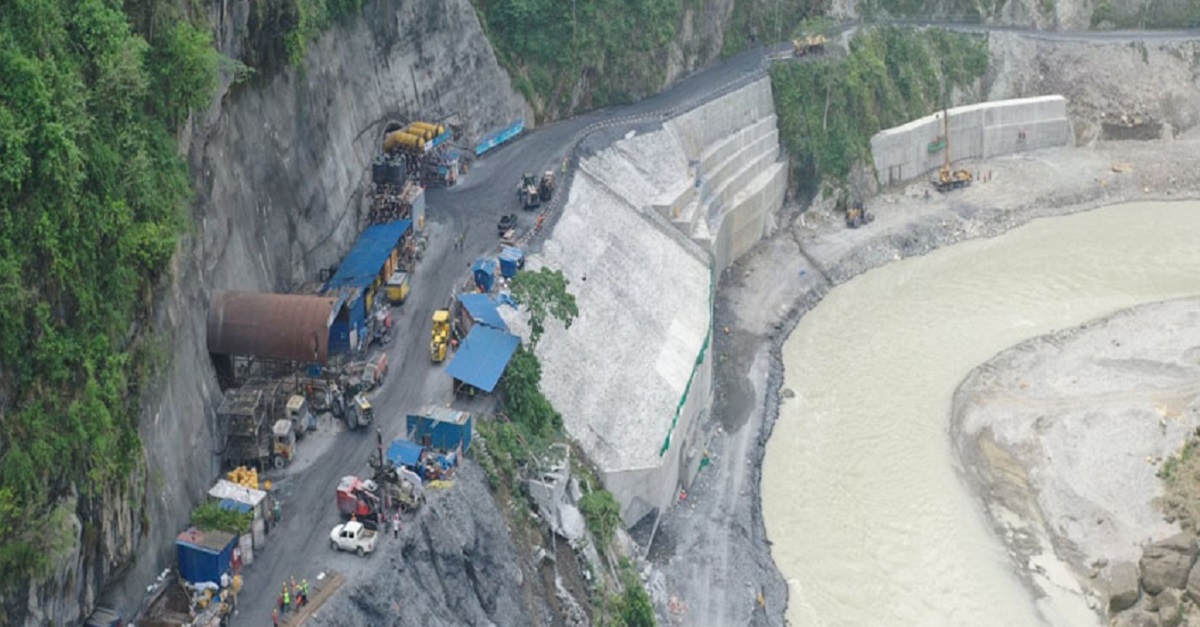
At least 13 hydropower projects with a combined capacity of more than 700 megawatts, along with parts of the transmission network, suffered extensive damage. The losses have been estimated at around US $1 billion, while reconstruction costs could reach four times that amount.
Large volumes of water and sediment flowing downstream caused significant environmental impacts beyond Nepal’s borders, particularly in India. The scale of the destruction has renewed concerns about the limitations of traditional approaches to national security, border management and disaster response.
For Nepal, the disaster comes after decades of political and economic shocks, including the Maoist conflict from 1996 to 2006, the 2015 earthquake, the Indian economic blockade and widespread unrest and destruction during the Gen Z movement in 2025. The latest disaster is expected to place additional pressure on an economy already dependent heavily on remittances and facing a persistent trade deficit, rising external debt and limited domestic resources, according to Prof. Lama.
The reconstruction challenge is particularly difficult because of Nepal’s mountainous terrain and limited institutional and technical capacity. Roads, bridges, power plants, social infrastructure and livelihood systems in some affected areas may not be fully restored because the surrounding environment has become increasingly fragile and vulnerable.
Prof. Lama also stressed that rebuilding damaged infrastructure alone will not address the underlying causes of Himalayan disasters. Accelerating glacial and permafrost melt, changing climatic conditions and the growing threat of floods require stronger cross-border scientific cooperation, real-time data sharing, early warning systems and institutional coordination.
Nepal’s federal system presents another challenge. For decades, decision-making, resources and infrastructure development remained heavily concentrated in Kathmandu. Although the 2015 Constitution introduced a federal structure with seven provinces, provincial governments continue to face limitations in financial resources, legislative authority, institutional capacity and technical expertise. Since disasters are predominantly local and local communities are usually the first responders, strengthening provincial and local institutions will be critical to effective reconstruction.
Mobilising financial resources will be equally difficult. Nepal will need sustained support from bilateral donors, multilateral development agencies, banks, insurers, private companies and civil society organisations. However, the willingness and capacity of international donors to maintain long-term commitments could determine the pace of recovery.
India and China are expected to play particularly important roles. India has supported Nepal’s development projects for decades, while China’s position as an upstream Himalayan country makes its cooperation important for disaster prevention, connectivity, scientific research and technical assistance.
Prof. Lama said the devastation has therefore brought Himalayan geopolitics into sharper focus, particularly the need for Nepal, India and China to cooperate on shared environmental risks. Cross-border mechanisms for hydrological information, early warnings, scientific research and disaster preparedness could become increasingly important as climate-related threats intensify.
Nepal’s declaration of its vulnerability to climate change, alongside its claim of being a near carbon-negative country, has also strengthened its case for greater international support in climate negotiations.
The Bhotekoshi disaster is consequently more than a reconstruction challenge. “It is a warning that Nepal’s future development, infrastructure planning, federal governance and foreign cooperation will increasingly have to account for climate-related risks that cross political boundaries,” Prof. Lama said.