
 Urja Khabar
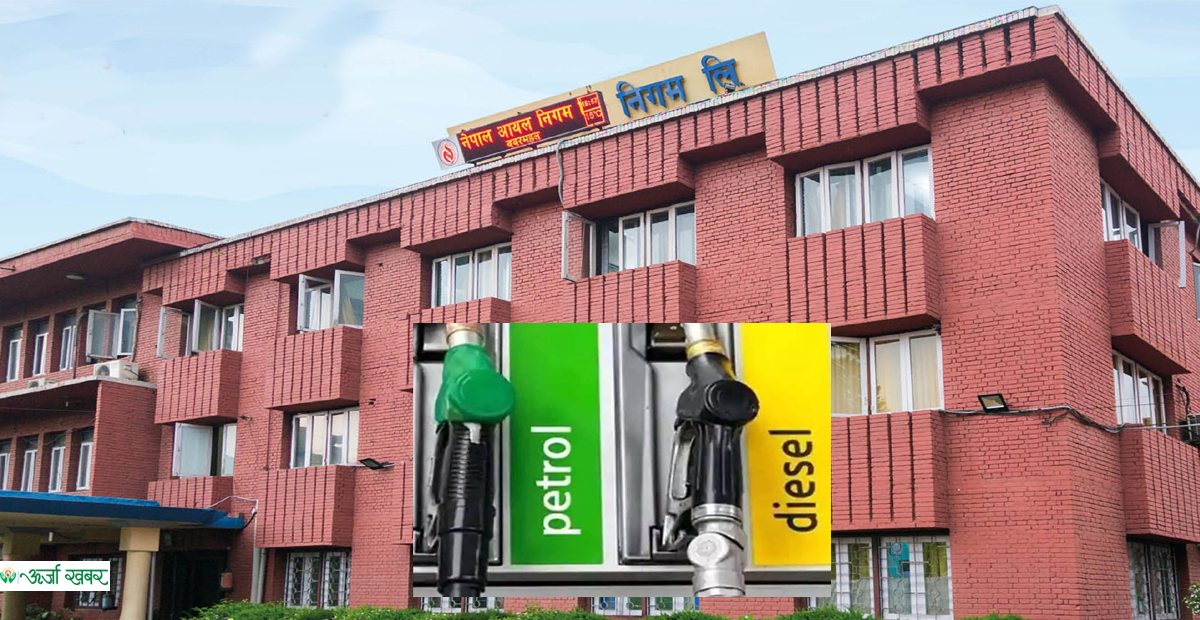
KATHMANDU; Nepal Oil Corporation (NOC) has reduced the retail prices of petroleum products following mounting criticism over its reluctance to adjust domestic fuel prices despite a sharp decline in international crude oil prices.
The state-owned fuel supplier announced that the revised prices will take effect from Wednesday. Under the new rates, the price of petrol has been reduced by Rs 20 per litre, diesel and kerosene by Rs 30 per litre, and liquefied petroleum gas (LPG) by Rs 100 per 14.2-kg cylinder.

With the latest revision, petrol will retail at Rs 197 per litre, while diesel and kerosene will cost Rs 195 per litre in Kathmandu, Pokhara and Dipayal. A 14.2-kg LPG cylinder will now be priced at Rs 2,060.
According to the NOC, the price adjustment was made after receiving the latest purchase price list from the Indian Oil Corporation (IOC). The revised import prices show reductions of Rs 15.09 per litre for petrol, Rs 29.46 per litre for diesel, and Rs 29.42 per litre for aviation fuel.
The corporation has also lowered the selling price of international aviation fuel supplied from Kathmandu by US$265 per kilolitre, while rates for Pokhara and Bhairahawa have been kept unchanged at the break-even level.
The latest price revision comes amid a broader decline in global crude oil prices. Despite continued geopolitical tensions between the United States and Iran, international media report that the gradual normalization of shipping routes has eased supply concerns, pushing Brent crude down to around US$72 per barrel—its lowest level since before the recent conflict and close to the level recorded in late February.
The NOC had faced growing criticism for maintaining domestic fuel prices even after international oil prices retreated from their wartime peak of US$119.50 per barrel. Consumer groups argued that the corporation had failed to pass on the benefits of lower import costs to the public in a timely manner.
Reacting to the latest revision, Madhav Timilsina, President of the Consumer Rights Investigation Forum, said the reduction still falls short of reflecting the actual decline in international fuel prices. He argued that consumers have yet to receive the full benefit of the sustained drop in global crude oil prices.