 Urja Khabar
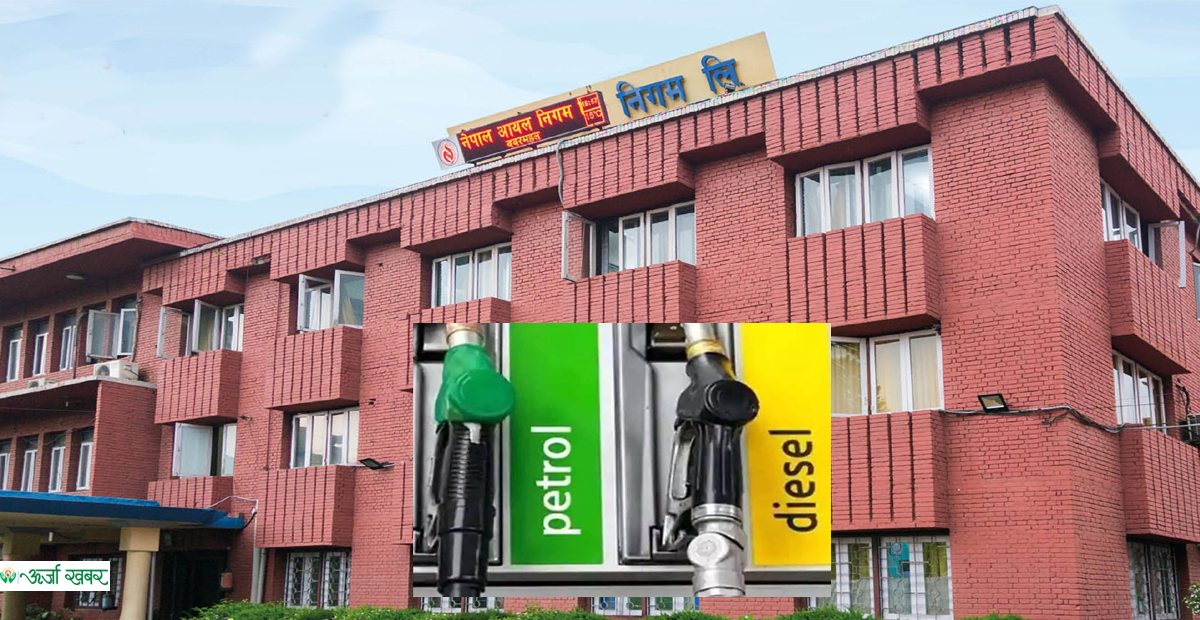
KATHMANDU; Nepal spent Rs 332.27 billion on the import of petroleum products—including diesel, petrol, liquefied petroleum (LP) gas, aviation fuel and kerosene—in the last fiscal year (FY 2025/26), marking a sharp increase from the previous year.
According to the Department of Customs (DoC), the country's petroleum import bill rose by Rs 44.62 billion, or around 15.5 percent, from Rs 287.65 billion recorded in FY 2024/25.

The expenditure on petroleum products accounted for 15.85 percent of Nepal's total imports worth Rs 2.096 trillion during the review period, underlining the country's continued dependence on imported fossil fuels.
Among the imported petroleum products, diesel accounted for the largest share at Rs 172.43 billion, followed by petrol worth Rs 77.26 billion, LP gas worth Rs 60.28 billion, aviation fuel worth Rs 26.64 billion, and kerosene worth Rs 677 million.
The DoC's annual foreign trade report, released on Thursday, shows that diesel, petrol and LP gas were among Nepal's top five imported commodities. Combined, these three products alone cost the country Rs 309.97 billion during the fiscal year.
Diesel remained Nepal's single largest import item, with the import bill surging to Rs 172.43 billion from Rs 128 billion in FY 2024/25—an increase of Rs 44.43 billion, or nearly 35 percent.
The report also shows that unprocessed soybean oil, with imports worth Rs 132.77 billion, ranked as the country's second-largest imported commodity during the fiscal year.
The rising petroleum import bill highlights Nepal's persistent reliance on imported fossil fuels despite significant growth in domestic hydropower generation and increasing electrification in sectors such as transportation and household energy use. The trend continues to exert substantial pressure on the country's foreign exchange reserves and overall trade deficit.