 Urja Khabar
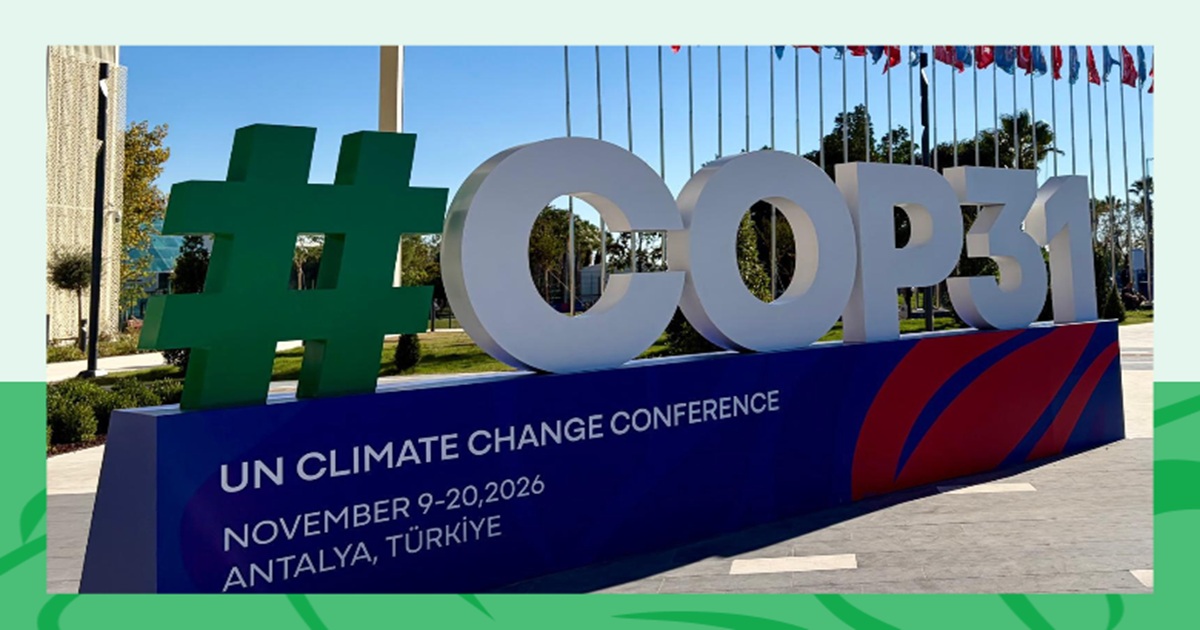
Kathmandu: Negotiations at the United Nations Climate Change Conference (COP31) in Turkey entered an extended session on Saturday after a revised draft agreement removed all references to fossil fuels, triggering strong opposition from the European Union and several developing countries.
According to AFP report, delegates continued negotiations through the night in Antalya, as disagreements over fossil fuel transition, climate finance and climate science prevented countries from reaching a consensus by the summit’s scheduled Friday closing.

Australia, which is presiding over the negotiations, was preparing another revised draft amid growing pressure to secure an agreement before delegates departed for their return flights.
The European Union strongly criticised the latest draft, warning that it could turn the climate summit into a “fossil summit.” EU climate envoy Wopke Hoekstra said the bloc would continue pushing for stronger commitments, adding that it would not support an agreement that failed to meet its expectations.
Expectations for a breakthrough remained low as countries faced mounting geopolitical tensions linked to the war in Iran and volatility in global oil markets.
The negotiations come amid a series of climate-related disasters across Europe, Nepal and Indonesia, while the emerging super El Niño weather pattern has raised concerns about an increased risk of extreme weather events.
An earlier draft released during the summit called for an accelerated phaseout of fossil fuels, a proposal opposed by major oil-producing countries, including Saudi Arabia. However, a subsequent draft published on Thursday removed all references to fossil fuels, intensifying disagreements among participating nations.
In response, a group of 12 European and developing countries, including France, Panama and the Solomon Islands, issued a joint statement on Friday demanding that the final agreement includes a “clear transition away from fossil fuels.”
Panama also threatened to withdraw from the negotiations, with its Environment Minister Juan Carlos Navarro accusing a “petroleum mafia” of obstructing progress.
Meanwhile, the Organization of the Petroleum Exporting Countries (OPEC) said its Secretary General, Haitham Al Ghais, had met Russian presidential climate envoy Ruslan Edelgeriev during the summit. The discussions reportedly focused on the importance of inclusive and balanced approaches to multilateral environmental negotiations.
The latest draft agreement proposed accelerating the replacement of fossil fuel-based technologies, including diesel vehicles and gas heating systems, with electric alternatives. Turkey and Australia have promoted electrification as a means of strengthening energy security while reducing greenhouse gas emissions.
Australian Climate Minister Chris Bowen, who is chairing the negotiations, described electrification as central to the transition away from fossil fuels.
The proposal includes a target for electricity to account for 35 percent of global energy consumption across transport, buildings, industry and other sectors by 2035. However, it does not specify that the additional electricity must come from clean or renewable sources, leaving open the possibility of increased generation from coal and natural gas.
This omission has prompted several countries to demand a specific clean electricity target to ensure that electrification translates into genuine emissions reductions.
Disagreements have also emerged over the proposed expansion of carbon capture technology, which is designed to trap carbon dioxide emissions before they enter the atmosphere. Some countries have questioned its high costs and effectiveness, warning that excessive reliance on the technology could allow continued fossil fuel consumption.
Climate science has become another contentious issue. Saudi Arabia, India and Kenya have sought to postpone the next round of reports by the United Nations Intergovernmental Panel on Climate Change (IPCC), adding another layer of complexity to the negotiations.
Countries remain divided over how to address the growing likelihood of exceeding the Paris Agreement's target of limiting global warming to 1.5 degrees Celsius above pre-industrial levels. While the latest draft expressed deep concern over the prospect of missing the target, it removed an earlier commitment to bring global temperatures back below that threshold as soon as possible during this century.
Climate finance has further widened the divide between developed and developing nations. Developing countries have criticised wealthy nations for failing to fulfil their financial commitments to help vulnerable economies prepare for and manage the impacts of climate change.
The removal of a proposed $120 billion climate adaptation finance target from the latest draft has particularly angered developing countries, which argue that adequate financial support is essential to strengthen resilience against increasingly severe climate impacts.
Expressing frustration over the lack of progress on climate finance, Ghana's Environment Minister Zanetor Agyeman-Rawlings said developing nations had not come to the summit to beg for assistance.
With fossil fuel commitments, climate finance and scientific cooperation still unresolved, the final outcome of COP31 remains uncertain as negotiators race to secure a consensus agreement.