 Rajesh Khanal
Access to energy is fundamental to fulfilling basic needs, driving economic growth and advancing human development. Growing concerns for mitigating the challenges of climate change has called for maximizing uses of sustainable energy sources, along with ensuring economic benefits.
As a cheap, renewable source of energy with negligible environmental impacts, small hydropower (SHP) has an important role to play in Nepal's future energy supply, according Hydropower Development in Nepal—an economic review of Nepal Rastra Bank (NRB) 2021. This means of energy supply is an attractive alternative to conventional power systems in rural and remote areas through achieving rural electrification.

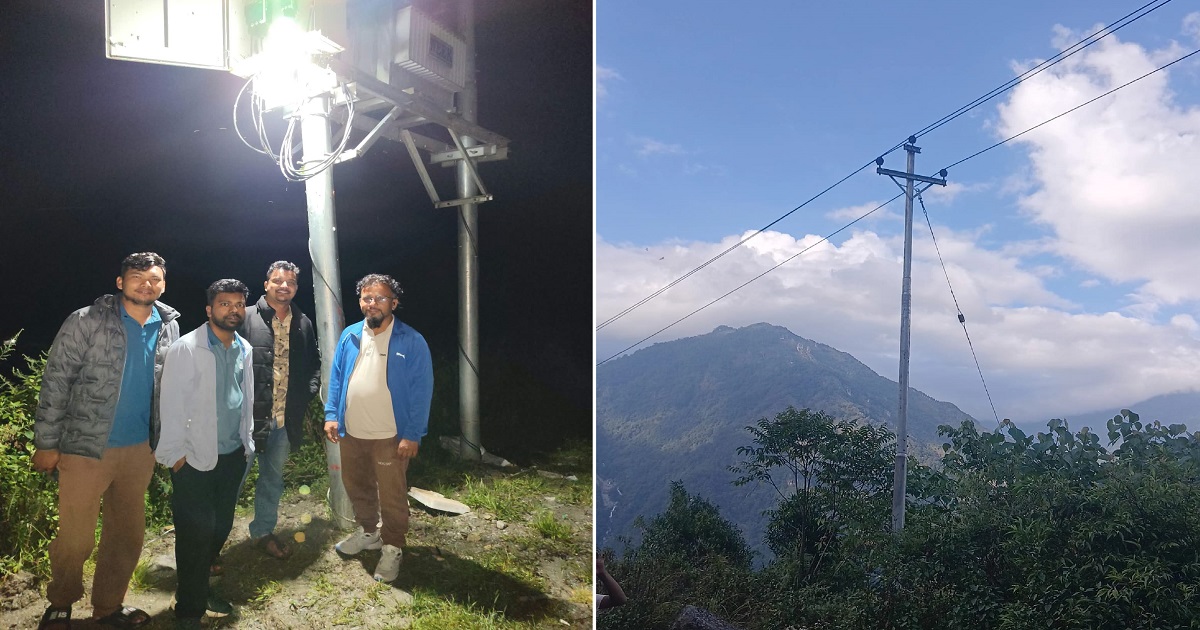
SHPs contribute to reducing greenhouse gas emissions by providing a cleaner energy source. They also help decrease reliance on fossil fuels, leading to signifi cant reductions in carbon emissions. It provides access to reliable electric lighting enhances daily life, making activities such as studying, working, and household tasks easier and more efficient.
Global scenario
According to International Hydropower Association, SHP refers to hydropower facilities with a capacity of up to 10 MW, encompassing pico, micro, mini, and small classifi cations, each adapted to suit local conditions and requirements. SHPs play crucial roles in providing remote and rural communities with access to renewable and reliable electricity.
Hydropower contributes about 17 percent of worldwide annual energy generation and 90 percent of national energy generation. Out of this, 25 percent of its generation is contributed by SHPs. More than 65 percent of installed SHPs lie in the Asian region. Among the various countries, Canada ranks first in the production of hydropower as it has abundant water resources and a geography that provides many opportunities to produce lowcost energy. Canada is reported to have more than 200 active SHPs (between 1-50 MW) contributing an approximately 3,300 MW, with new capacity growing at 100-150 MW annually. Increasing access to the energy from flowing water has played an important role in the economic and social development of Canada for the past three centuries.
Nepal’s context
The 16th Five-Year- Plan of Nepal emphasized the transition from fossil fuel energy to an increment in the share of renewable energy such
as solar, wind and hydropower. Along with domestic targets, there are international commitments likeSustainable Development Goal (SDG) 7, under which Nepal has set indicators for affordable and clean energy.These emphasize for the country’s priority towards the different sized hydropower projects.
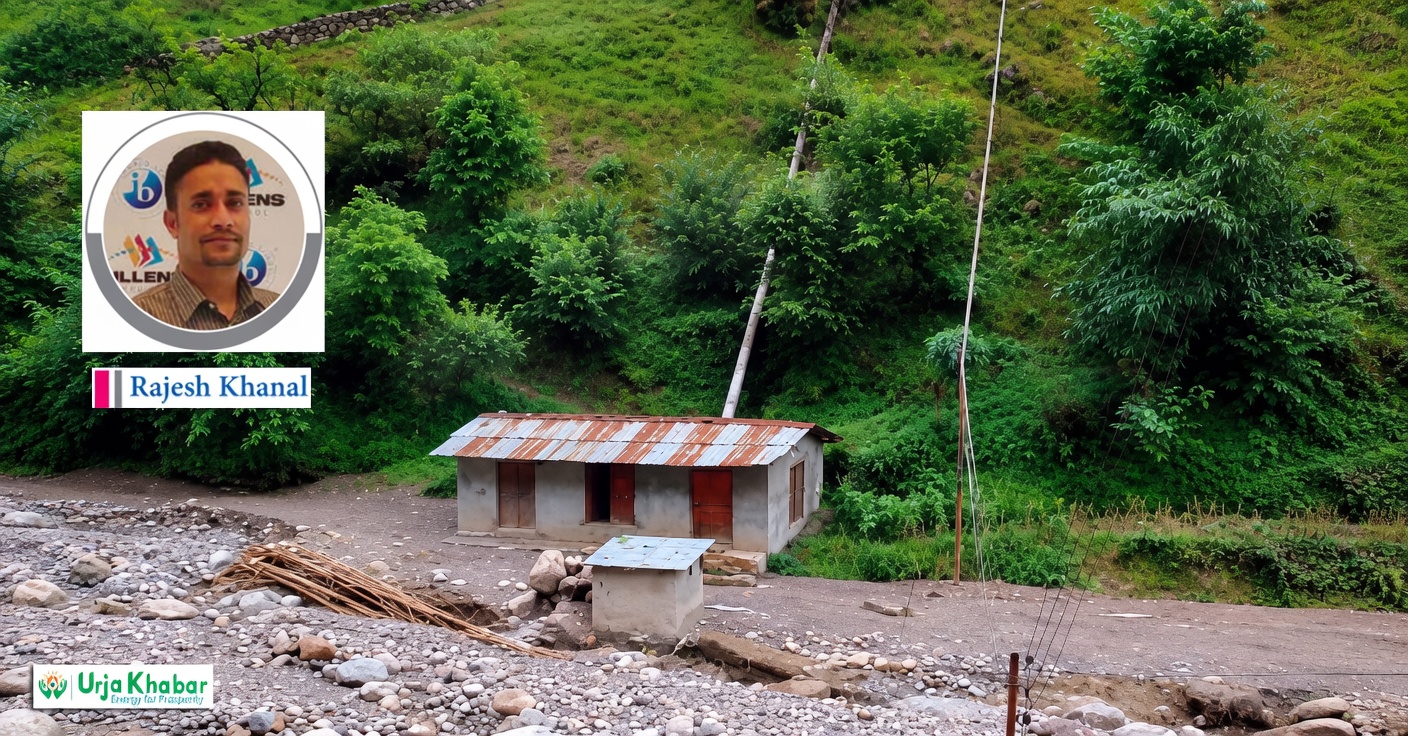
SHPs are crucial for rural electrifi cation in Nepal, with over 1,000 projects, including micro-hydro projects (under 1 MW), established across 52 districts.
Despite its critical importance in the national economy, the definition of Nepal’s SHP is still not clear at the government level. In quantitative terms, considering the threshold of 10 MW, approximately 70 percent of hydropower plants in Nepal are SHPs.
At present, there are 17 microhydroelectric plants and 80 small hydroelectric power plants connected to the national grid. As of 2023, out of the total installed hydroelectric power plants of Nepal nearly 20 percent of the energy generation is contributed by SHPs, shows research conducted by Institute of Engineering, Tribhuvan University.
Extending the national power grid to remote and scattered settlement in Nepal’s rugged terrain is challenging and costly. By the mid-1990s, only 15 percent of the population had grid electricity, with a few villages along trekking routes powered by micro hydropower plants. Though, the number of hydropower plants along with their capacities have enhanced over the period, the SHPs are still of high relevance in remote areas. The sector used to be fully under control of the government until three decades ago. Citing the cost overrun of the small hydropower plants, the government later on decided to lease the SHPs to the private sector.
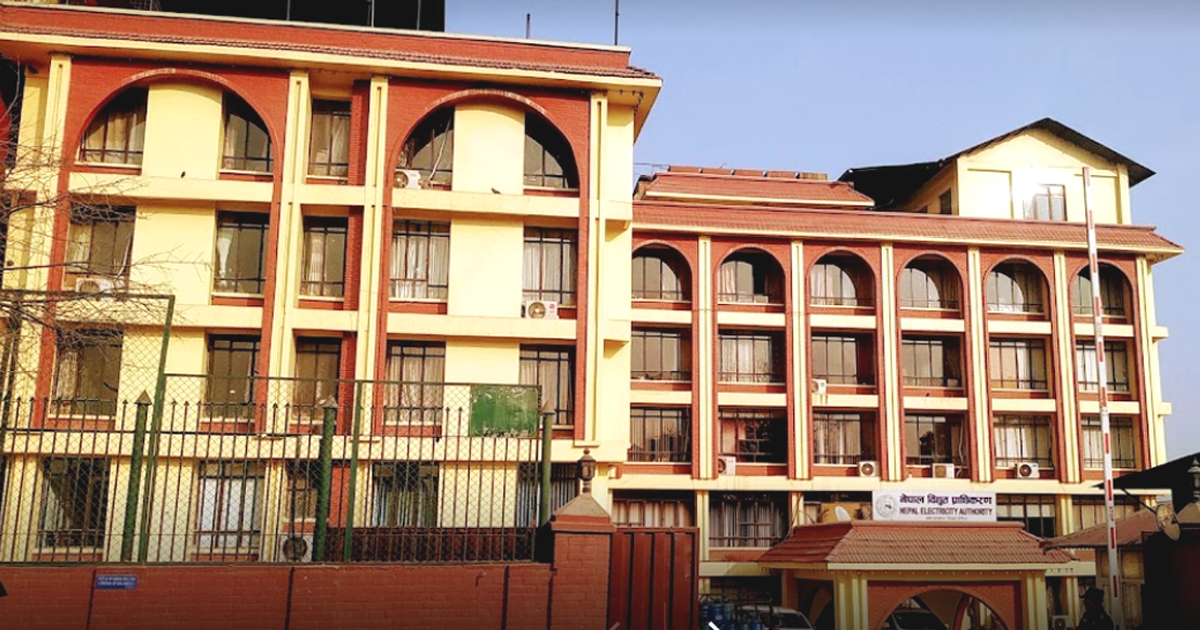
In 1977, the government established Small Hydropower Development Board aiming to end the related problems like accelerating deforestation process that produces chain As Nepal’s power generation capacity has grown to around 4,000 MW, the energy sector contributes around 15 percent to the country’s GDP. However, the lack of transmission lines has been hindering the evacuation of electricity generated by many SHPs. The sector’s experts have warned if most of them are forced to shut down, it will create serious problems in electricity supply across the country. The low percapita consumption of energy in Nepal is not just due to lack of demand but to the supply bottleneck resulting from financial constraints and inherent delay in hydropower project development. reaction affecting ecological balance, environment, rainfall pattern, flood frequency. Institutional restructuring took place again in 1985, when the merging of the Electricity Department, Nepal Electricity Corporation and all the development boards (except the Marsyangdi Hydropower Development Board) resulted in the creation of Nepal Electricity Authority (NEA). Since this arrangement, the NEA has been responsible for the generation, transmission and distribution of electricity from overall sizes of power production plants. In addition, the Alternative Energy Promotion Center has mandate to support hydropower projects ranging from 100 KW to 10 MW.
SHPs have broad-based impacts on the rural economy of Nepal, including the promotion of economic activities related to local mills, tourism, agriculture including livestock farming and irrigation, food processing, cottage industries apart from minimizing environmental impacts by replacing the conventional means of energy supply including fire woods.
Challenges
Despite having lot of potential and suitable energy projects, SHPs have failed to gain momentum. Unfortunately, there are several bottlenecks to the smooth operation of these plants, viz. run-off -river hydropower with low water flow in dry season, insufficiency of proper guidance monitoring, regularization and inadequate and unfriendly policies. Every one in three SHPs has issues with smooth operation in terms of generation capacity, and overall, 50 percent of SHPs have mechanical issues as the major problem.
Many small and micro-hydro projects face sustainability issues due to the expansion of the national grid, high cost, damage from natural disasters (landslides, floods), and lack of maintenance.
As Nepal’s power generation capacity has grown to around 4,000 MW, the energy sector contributes around 15 percent to the country’s GDP. However, the lack of transmission lines has been hindering the evacuation of electricity generated by many SHPs. The sector’s experts have warned if most of them are forced to shut down, it will create serious problems in electricity supply across the country. The low percapita consumption of energy in Nepal is not just due to lack of demand but to the supply bottleneck resulting from financial constraints and inherent delay in hydropower project development.
The critical reality is the SHPs that laid the groundwork for the sector are now facing a serious crisis. Government bodies, line agencies, and regulatory institutions that once played a decisive role in promoting these projects appear increasingly neglectful toward them. Policy instability, inadequate transmission infrastructure, unviable power purchase agreement (PPA) rates, sharp increases in construction material costs, and high bank interest rates have placed small projects under severe financial pressure.
As per the government estimates, 93.7 percent of the rural households have access to electricity from on-grid and off -grid sources. However, there exists an unequal geographical distribution of electricity access inNepal. The western part of the country lags behind the rest of the nation in electricity infrastructure. The access to electricity in Karnali and Sudurpashchim provinces stands at 49.63 percent and 81.82 percent respectively, whereas the figures for other provinces exceed 90 percent.
Impacts of climate change have severely challenged mainly the SHPs. An instance of the 3 MW Bhairav Kund project, which was shut permanently with sustaining seven incidents of natural disasters in seven years between 2014 and2021, after just one and a half months of its operation, produces a gloomy situation. However, the concerned government authority like the Department of ElectricityDevelopment (DoED) seems unwaryto verify project design to align withimpacts of natural disaster.
In most of the SHPs, there lacks mechanism for synchronization. Many small hydel projects operational in the past have now been shut as most of the small hydropower projects' failure seems to be due to poor planning and design, absence of promotional activities, lack of maintenance and operational facility and reliability of supply.
According to research published in Journal of the Institute of Engineering in October 2019, small hydropower technology is robust and can have life of almost 50 years with low maintenance cost. However, it is not in the case of Nepal, which is blamed mainly to the off -grid policy of the government.
The returns from SHPs are too low to attract large-scale investment at the prevailing cost levels and options for debt financing. A project with estimated 18 percent internal rate of return (IRR) gives little premium for investors when the debt rate is around 15 percent. Likewise, the leniency in licensing regulation is causing many project sites to be caught up by speculators without anything happening for years.
Way forward
On February 7, 2024, the NEA decided to open PPA with small hydropower companies tasked with producing up to 10 MW of electricity, to facilitate domestic investors who had been looking to inject capital in SHPs. Subsequently, the NEA on February 27 of the same year announced PPAs for the small hydropower by abolishing the quota system, citing the prevalent quota system as one of the main hurdles to carry out the Power Purchase Agreements (PPAs). The scrapping of quota allows the NEA with freedom to sign PPAs for any production range.
The NEA is actively promoting SHPs, specifically encouraging PPAs for run-of-the-river (ROR) projects up to 10 MW. As of February 2024, the NEA adopted a "take-and-pay" policy for these projects to enhance local, sustainable energy, off ering rates of NPR 8.40 per unit (dry season) and NPR 4.80 per unit (wet season).The modality was later changed into ‘take-or-pay.’ The state-owned power utility will purchase electricity produced by the small hydroelectricity projects under the take-or-pay scheme. Under this clause, the NEA will take responsibility to evacuate electricity generated by the projects or it will be liable to pay a certain amount in penalty for failing to purchase the produce.
At present, 89 projects with production capacity of up to 10 MW have been waiting for the NEA’s nod to sign the power purchase agreements (PPA). These projects have earmarked to produce a total of 251 MW of electricity. Out of these, 44 projects of 195 MW have already signed an agreement with the NEA for grid connectivity.
In March 2021, the NRB amended the working procedure for refinancing and categorised hydropower projects with a capacity of less than 10 megawatts as beneficiaries under the special refi nance facility, making them eligible to borrow funds at a maximum of 3 percent interest. Renewable Energy Subsidy Policy 2078 has a provision to provide subsidy to community/ cooperative owned off -grid hydro projects from 100kW to 1MW projects to be connected to grid.
Overall, to solve various issues related to the sector, a detailed study of the plants is necessary for the performance analysis of mechanical components, which seem to be the main cause of annual loss in generation and major problematic shutdown. Each plant needs a real-time monitoring system for further investigation to have more information on the cause and consequences. Innovation and digitalization in the modern world have made much improvement in preventive measures and the eff ective operation of SHP.
The report of Institute of Engineering dated October 2022 has recommended for the artifi cial intelligence-based monitoring system, automatic flaw detection, remote operation and cyber security in the system are some of the examples applied in modern SHP. These types of systems induce eff ective operation and automation in SHPs as existing in developed countries. Even the rehabilitation of old plants with such mechanization and innovative systems in developed countries could be a learning lesson and future recommendation for developing countries like ours.
Focusing on remote, grid-isolated areas, adopting thebuild-own-operate transfer(BOOT) model, and effective utilizations of guidelines for design, construction, and maintenance at various levels could be helpful to ensure sustainability.
Small/Micro hydropower technology is robust and can have life of almost 50 years with low maintenance cost [8], but small/micro hydropower plants in Nepal do not last long. This shows that there is a problem in off -grid policy of Nepal.
This feature news is taken from the 8th issue of urja khabar, a bi-annual magazine. Which was published on January, 2026.



.jpg)