
 Urja Khabar
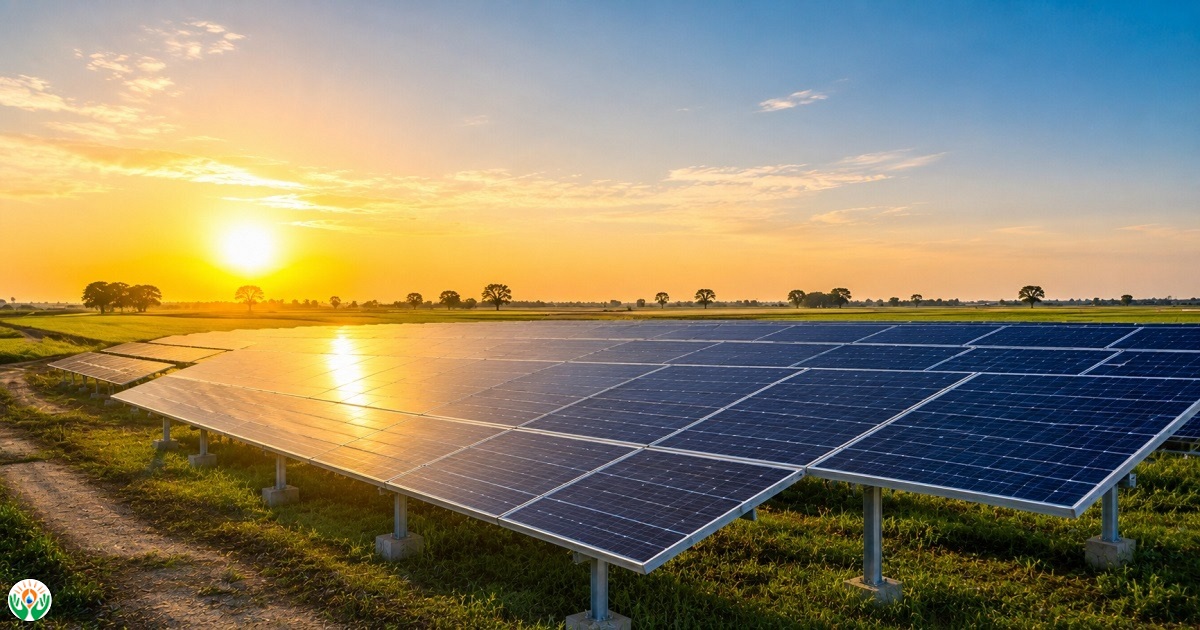
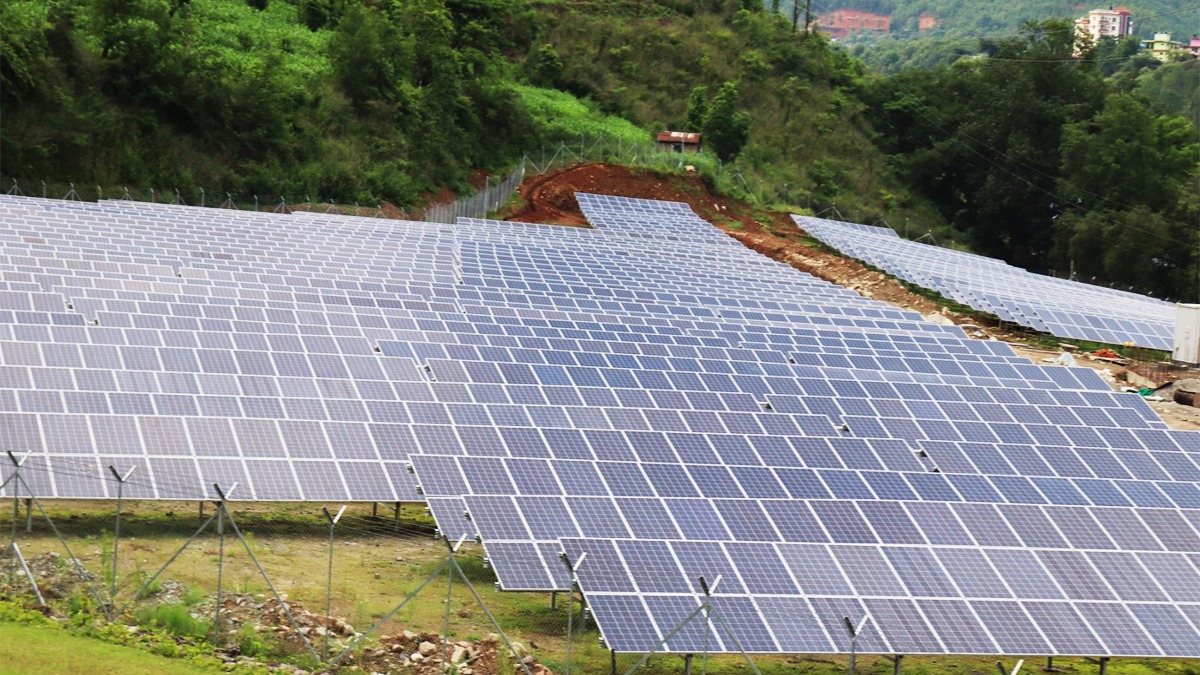
Kathmandu: Falling solar power costs are driving a growing number of emerging economies across Southeast Asia and Sub-Saharan Africa to turn increasingly toward solar energy to meet their rising electricity needs.
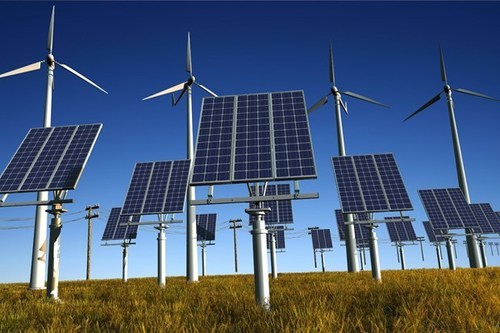
Unlike the United States and Europe, which relied heavily on fossil fuels during their early stages of economic and industrial development, many developing countries today are taking a different path. Rather than investing heavily in coal and gas-based power, they are increasingly building their electricity systems around renewable energy, particularly solar and wind power.

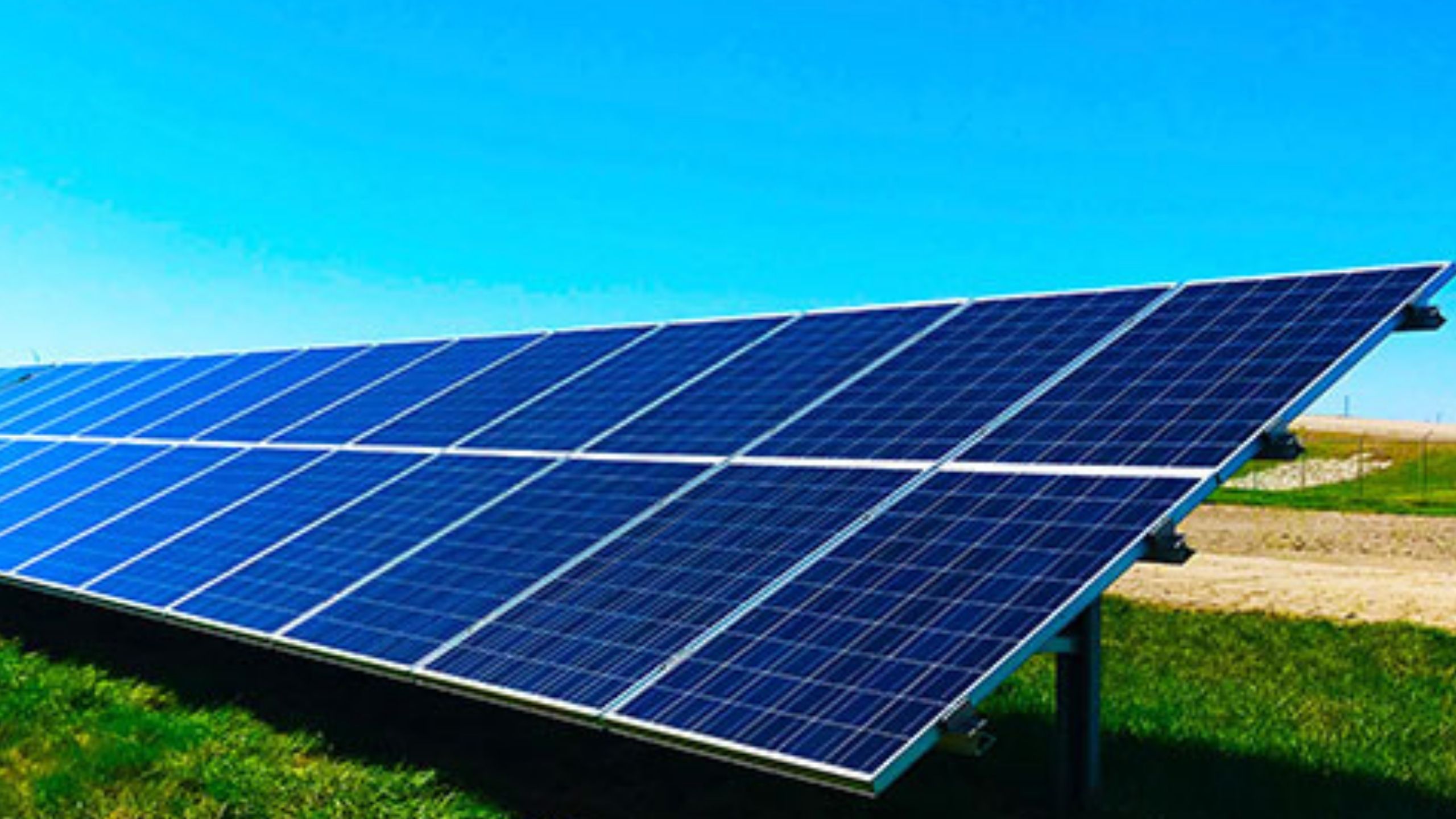
According to Deutsche Welle (DW), the Germany's state-funded public service international broadcaster, solar power is now cheaper to generate than fossil-fuel-based electricity in many cases. While large coal- and gas-fired power plants require years to build and billions in upfront investment, solar and wind projects can be developed relatively quickly and with significantly lower initial costs.
The rapid decline in the prices of electronic appliances over the past decade is also contributing to rising electricity demand. More affordable refrigerators, electric stoves, air conditioners and other appliances are making electricity increasingly accessible for cooking, heating, cooling and other household needs.
Renewable energy accounted for around a quarter of global electricity generation in 2023. However, its share is rising rapidly, with solar and wind accounting for the overwhelming majority of new power-generation capacity being added worldwide.
Sub-Saharan Africa, in particular, is well positioned to benefit from solar power. Countries such as Kenya, Ethiopia, Namibia and Senegal are rapidly expanding their energy infrastructure to meet the needs of growing and predominantly young populations while also promoting renewable energy.
Namibia, South Africa, Kenya and Senegal have significantly increased their solar power capacity in recent years, reflecting a broader shift toward decentralized and renewable electricity systems.
“We are heading towards the most decentralized grid in the whole world within the next five years,” DW quoted Aleksi Lumijärvi, director for knowledge, policy and finance at the International Renewable Energy Agency (IRENA), as saying.
The transition is also visible when countries are compared by income level. Lower-income countries are already using relatively less fossil fuel-based electricity and more renewable energy than many higher-income countries. Large middle-income economies are also rapidly catching up with, and in some cases surpassing, wealthier nations in renewable energy deployment.
In 2023, solar power accounted for at least 6 percent of electricity generation in India and 10 percent in Vietnam, compared with a global average of around 5 percent.
A similar trend is emerging in Pakistan, where households and businesses have been purchasing large quantities of relatively inexpensive solar panels from China. Many consumers are turning to rooftop solar to reduce their dependence on expensive grid electricity and cope with frequent power outages.
With costs continuing to fall, shorter construction periods and the ability to generate electricity close to where it is consumed, solar power is rapidly moving from being an alternative source of energy to becoming a central pillar of electricity development in emerging economies.