 Urja Khabar
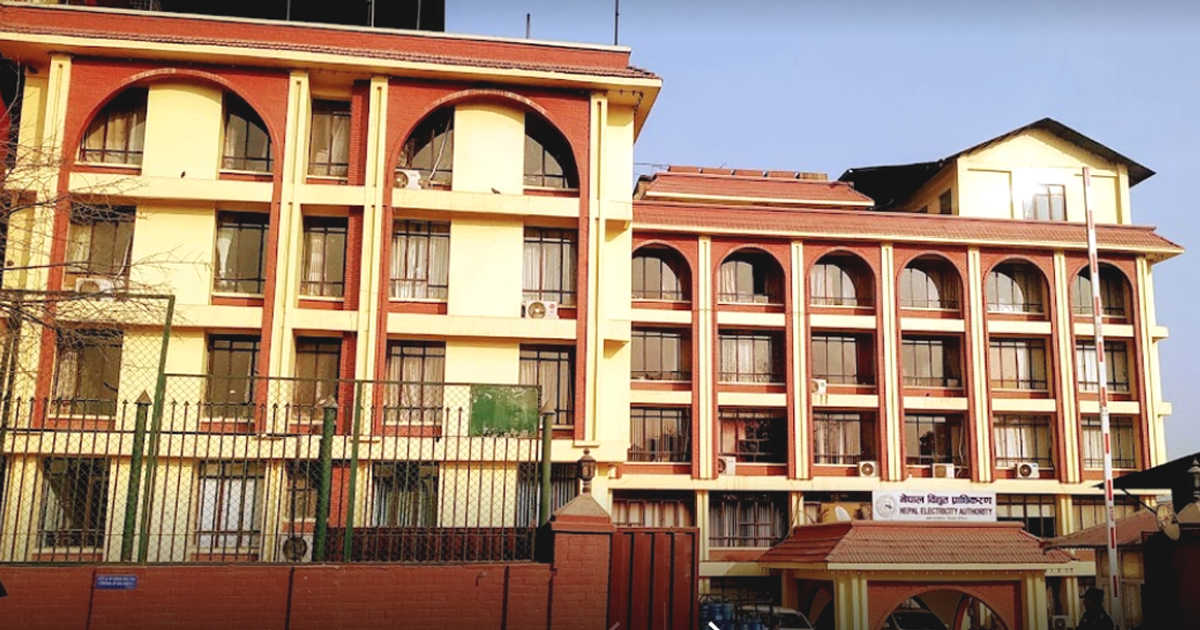
KATHMANDU; Nepal Electricity Authority (NEA) has issued 26-point corrective directives, aiming to promptly solve the problems seen in the electricity distribution system.
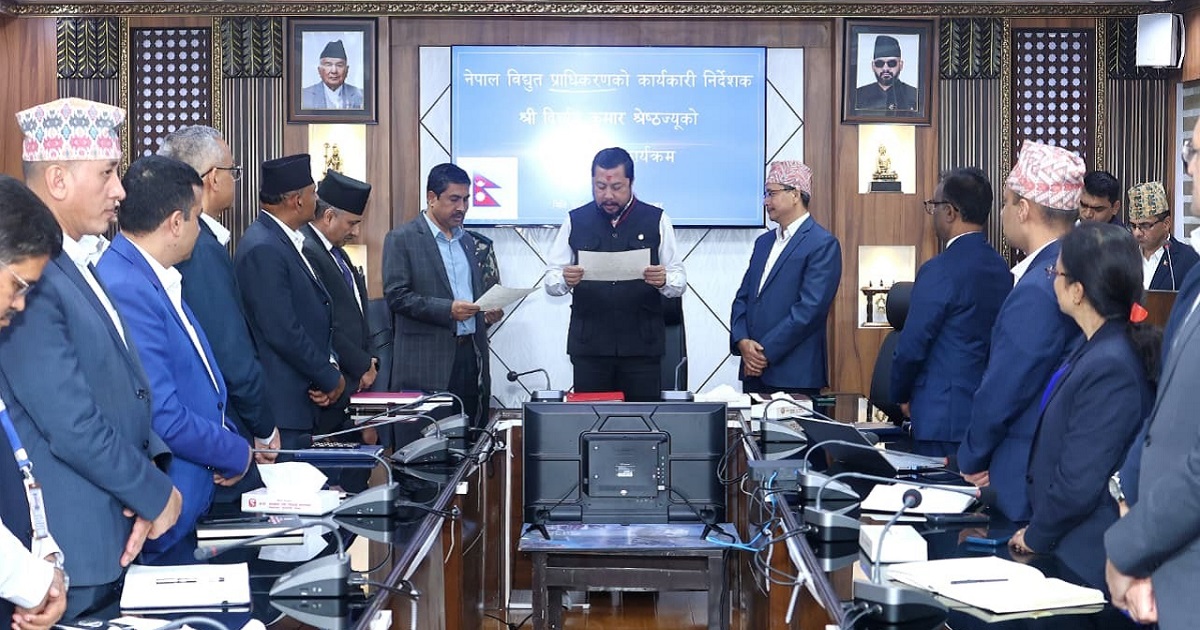
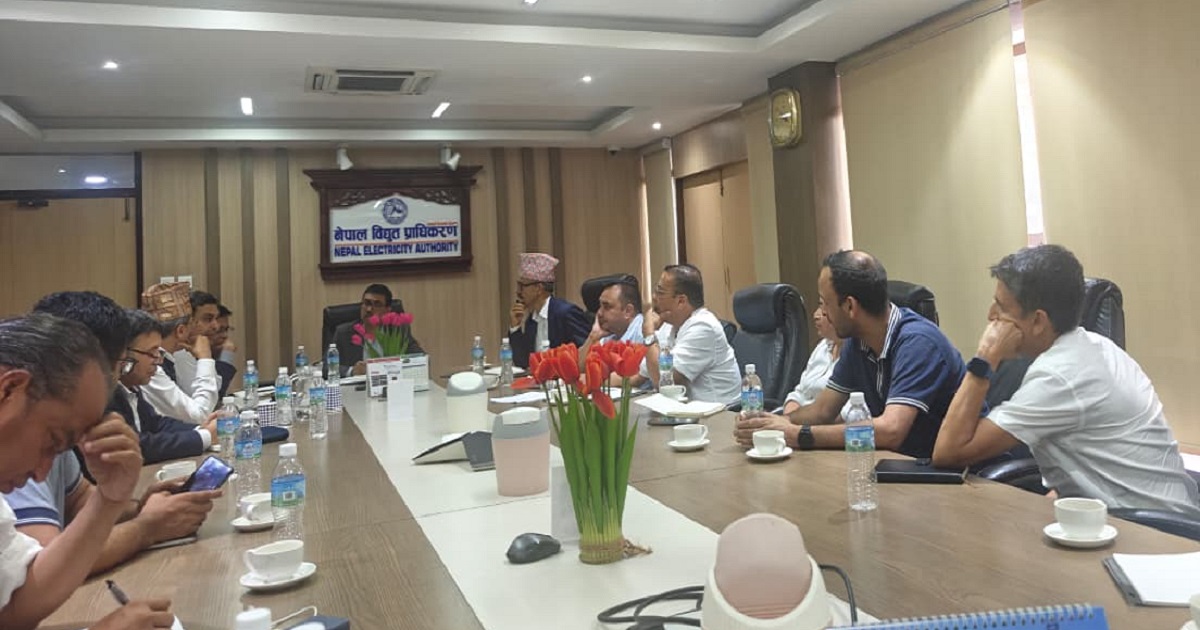
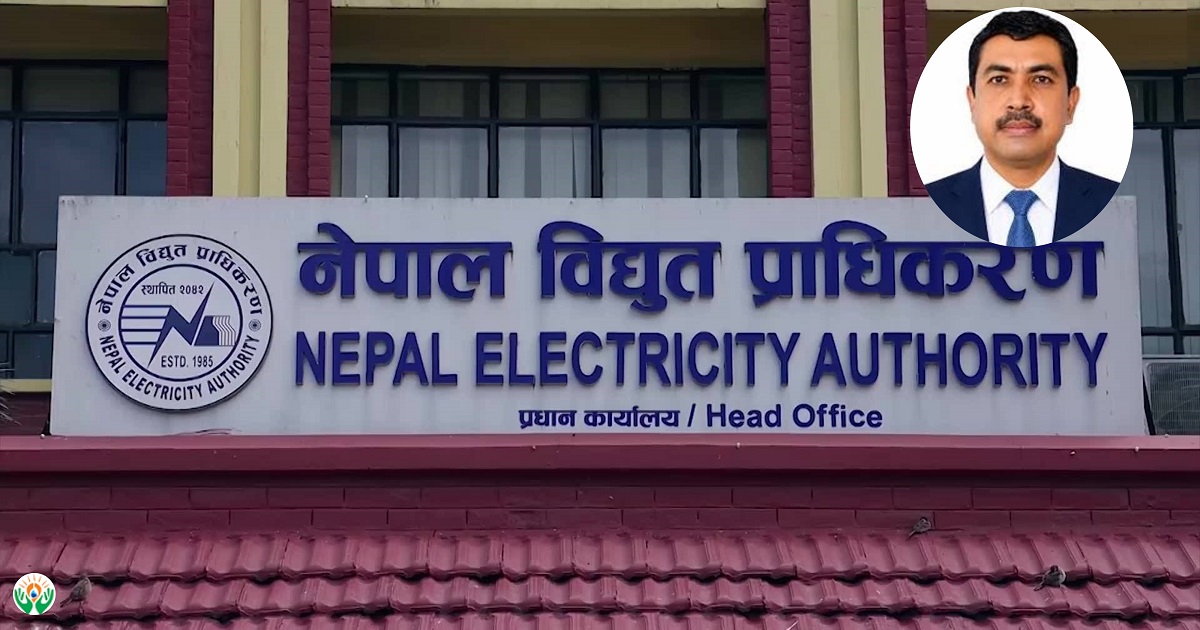
Immediately after assuming his office, Chief of the NEA's Distribution and Customer Service Directorate and Deputy Executive Director, Rajan Dhakal issued the directives defining clear responsibilities, goals and deadlines after detailed discussions with the heads of provincial and divisional offices.

The NEA stated that such directives have been issued to resolve the problems related to disruptions in the system, weak reliability, unsafe structures, increasing technical and non-technical leakages, arrears of tariffs and consumer services. Recently, problems such as frequent disruptions in electricity supply, feeder tripping, transformer overload, weak jumpers and conductors, problems in lines due to tree branches and bushes, unsafe poles and distribution structures, delayed repairs and failure to address complaints in a timely manner have emerged time on time.
With the demand for electricity and the expansion of the system, the lack of timely upgrading of old structures, lack of regular inspections and the tendency to repair only after problems arise have created additional challenges in service reliability.
Dhakal said he has issued directives to improve this situation through prioritizing the continuity and reliability of electricity supply. According to him, the NEA management has directed the concerned to identify the areas and feeders with the most disruptions and prepare a plan for improvement, including the problem, responsible person and time frame, and to start the contract process within 15 days under the approved program.
Likewise, the directives also talk about submitting short-term, medium-term and long-term plans for improving the distribution system within a week and to prepare a plan to connect possible 33/11 kV substations to the ring system.
In addition, each provincial office has been asked to declare the 20 feeders with the most disruptions as 'priority reliability feeders' and conduct a weekly review of tripping, repeated faults, load conditions, weak equipment and improvement work. A technical team will be mobilized to keep records of the causes of power disruptions, affected areas and the time taken to restore services.
For immediate results, a special campaign will be launched for the next two months to cut tree branches, clean bushes, tighten or replace jumpers, clear line corridors and improve risky areas. It has been instructed to identify unsafe transformers, poles, lines, distribution boxes, stays and earthing and make immediate improvements based on risk and make safe temporary arrangements until a permanent solution is found.
Measures such as load and phase balancing, load transfer, transformer upgrading, installation of new transformers, increase in conductor capacity and feeder separation will be adopted in overloaded transformers and feeders. The decision to assign responsibilities according to feeders to engineers and supervisors working in distribution centers and to clarify the work details of all permanent, temporary, wage and service contract employees is expected to improve work culture and accountability.
As per the directive, the practice of repairing only after some damages will be ended, while priority will be given to preventive maintenance. Annual, semi-annual and monthly maintenance schedules of lines, feeders, transformers and other structures will be implemented. Arrangements have been made to disseminate information about planned power outages in advance through the official website and social media, and information about emergency outages will be disseminated immediately.
Giving special priority to safety, clear instructions have been given to carry out operation, maintenance, testing and service restoration work only in accordance with approved safety standards. The use of portable safety warning boards and personal protective equipment as required for the work has been made mandatory in the field. Arrangements have been made to designate a safety contact person in each distribution center and provincial office, conduct safety orientation for all field employees, conduct regular toolbox talks and knowledge exchange programs, and maintain records of accidents and 'near miss' incidents.
To reduce distribution leakage, office-level targets will be set by identifying areas, feeders, transformers and customer groups with high losses. Energy mapping, meter reading, billing and customer records according to feeders and transformers will be improved to control meter bypass, electricity theft and unnatural consumption. Instructions have also been issued to make the collection of arrears of government agencies, local levels, public institutions and street lighting more effective and to expedite the work of cutting off the lines of customers who do not pay their bills within the time limit.
Similarly, arrangements have been made to prepare GIS-based records of the distribution system, update details of new structures immediately, conduct regular on-site inspections from the provincial and divisional offices, and submit monthly reports based on data related to reliability, leakage, revenue, transformer malfunction, complaints, inventory, and safety. The goal has also been set to eliminate duplication of budget, materials, and manpower by coordinating between the relevant projects and directorates for substations, feeder bays, and other structures under construction.
According to NEA officials, if the 26-point directive is successfully implemented, the current line disruptions and frequent malfunctions can be minimized significantly and the future distribution system will be further strengthened. This is expected to lead to significant improvements in work culture, employee productivity, electricity security, revenue collection, reliability of electricity distribution, consumer service, asset management, and institutional accountability.