Energy Update



3,000 MW More Power Needed for Electric Stoves Use All Over Nepal: AEPC
-
 Urja Khabar
- 1 October, 2026
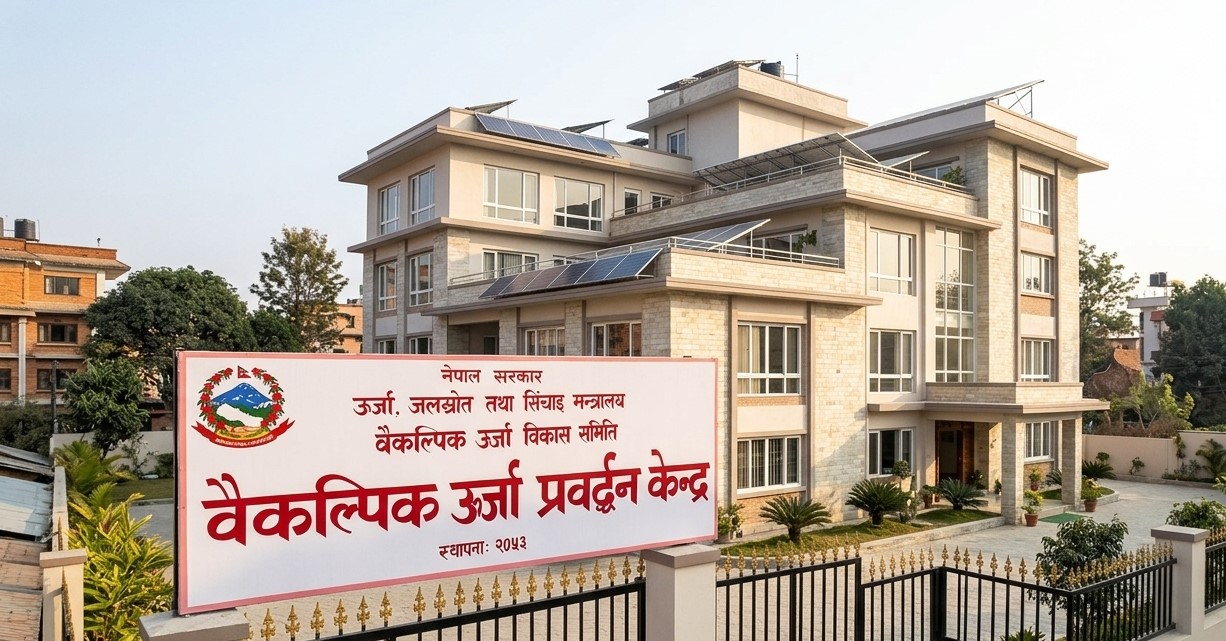
Kathmandu: Nepal would require an additional 3,000 megawatts (MW) of electricity if all households switched to electric induction stoves and used them simultaneously during peak cooking hours, according to a preliminary study by the Alternative Energy Promotion Center (AEPC).
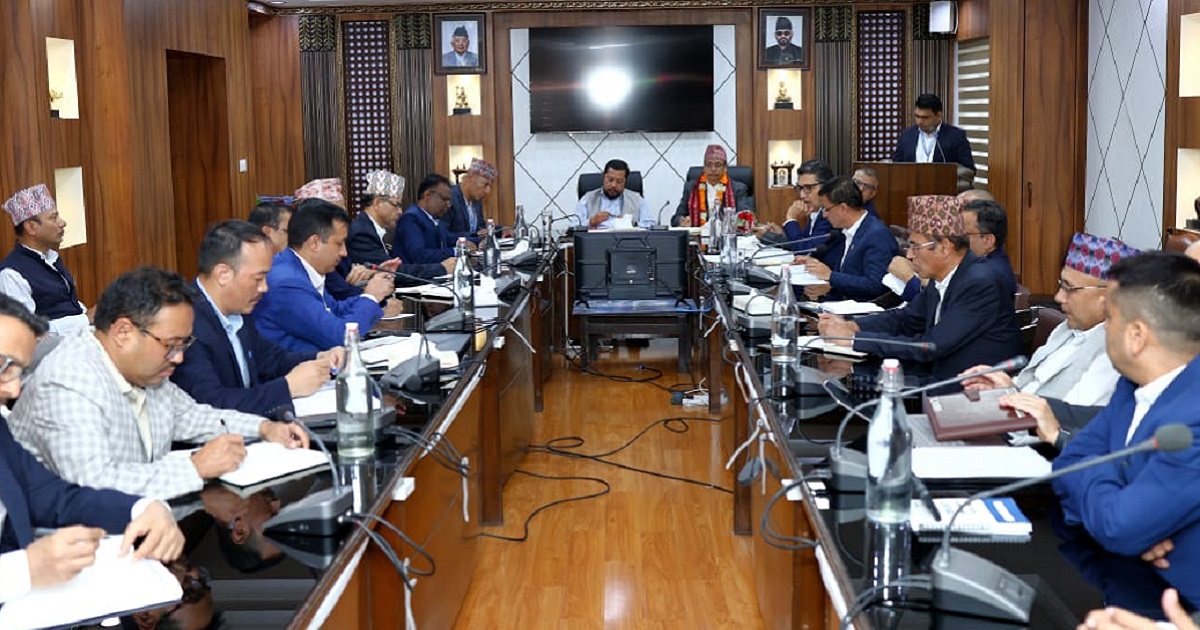
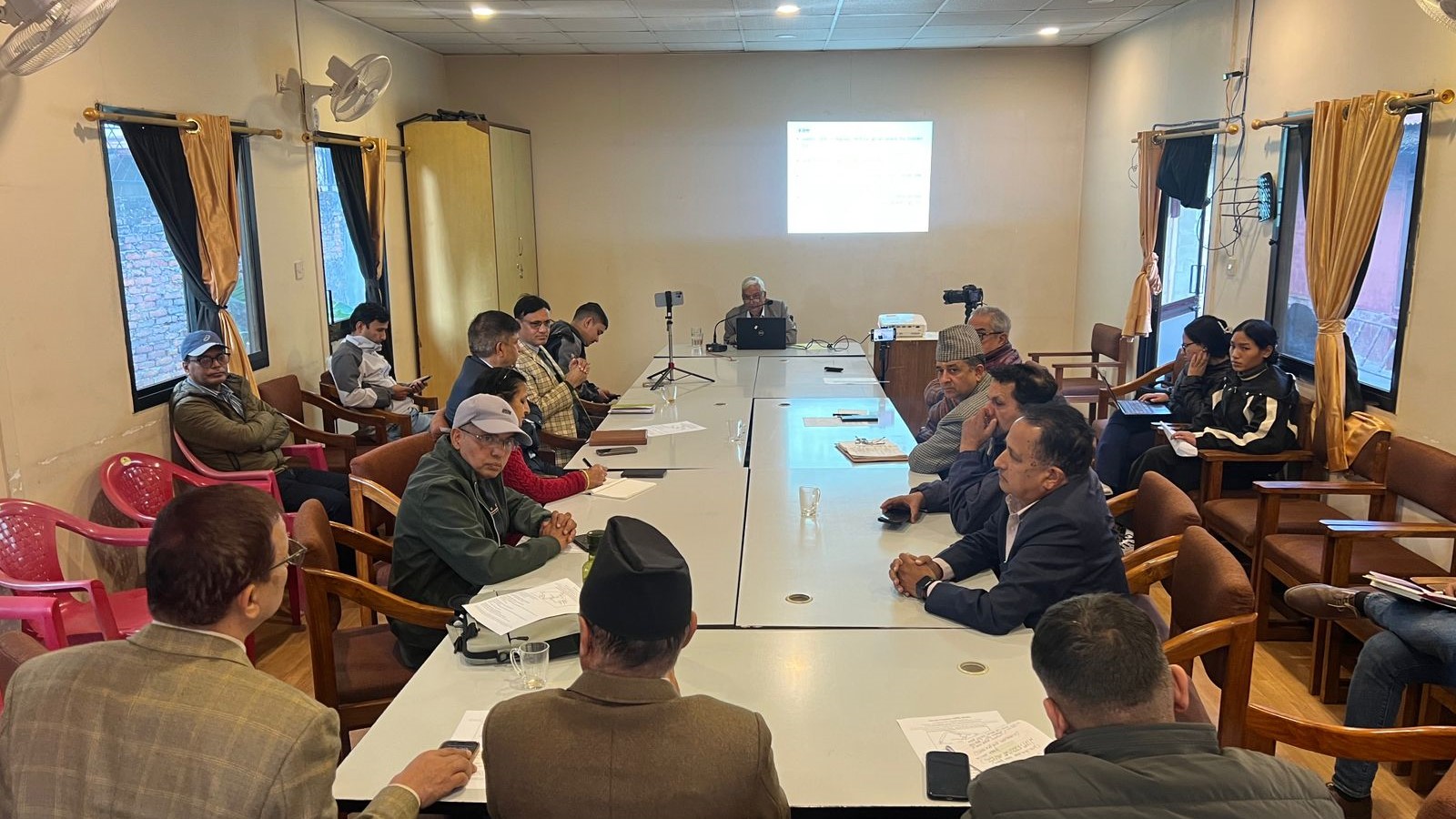
AEPC Deputy Executive Director Narayan Prasad Adhikari presented the estimate at a meeting of the Development, Economic Affairs and Good Governance Committee of the National Assembly.

The estimate is based on a scenario in which households across the country use induction stoves for around two hours during peak cooking time. Adhikari warned that such a sudden increase in demand could place heavy pressure on the existing transmission and distribution infrastructure.
He said expanding electricity transmission lines alone would not be enough and stressed the need to shift cooking and heating from conventional fuels to cleaner energy sources. However, Nepal's current electrical infrastructure is not yet capable of handling the additional load that would result from an immediate, large-scale switch to induction cooking.
According to AEPC data, more than 80 percent of Nepal's national energy consumption is used for heating and melting processes in industries. Adhikari said reducing the use of fossil fuels and coal in industries, while replacing conventional household cooking fuels with electricity and other clean-energy options, remains a major challenge.
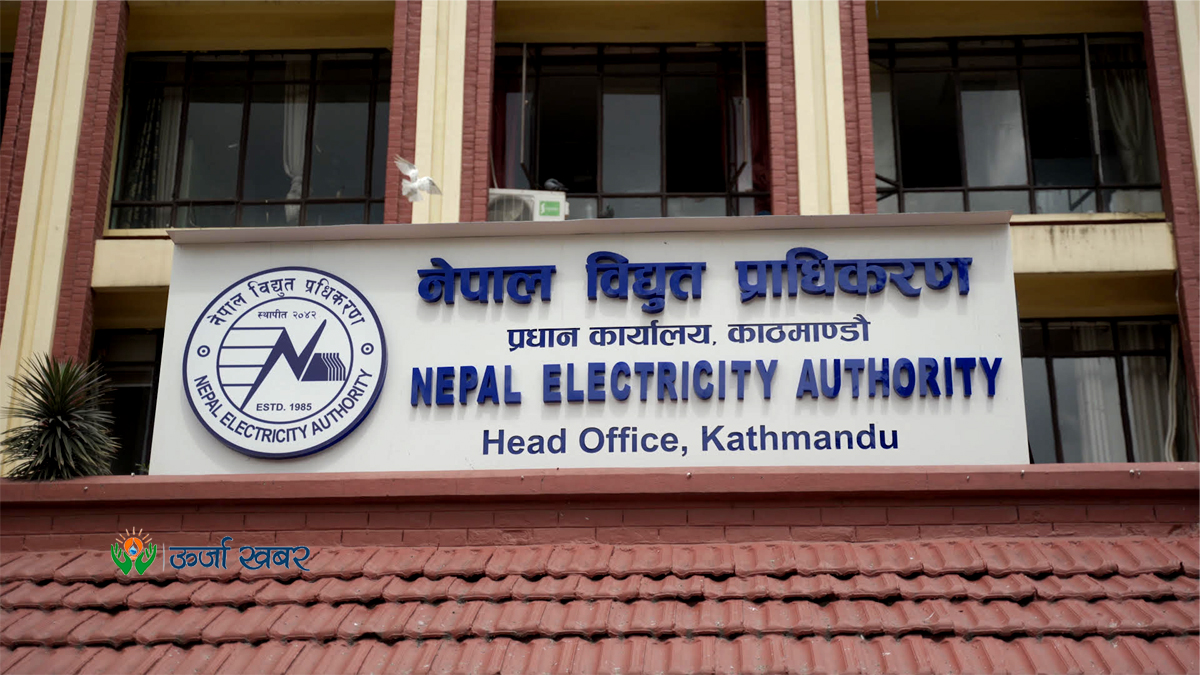
The AEPC has been coordinating with the Nepal Electricity Authority (NEA) to promote electric cooking, but officials say infrastructure upgrades are necessary before the country can support widespread induction cooking.
Meanwhile, with government support, the AEPC has begun expanding access to clean cooking technologies in the Terai and remote areas. The center is currently coordinating with 150 local governments in the Terai to distribute clean cooking stoves to around one million households.
Conversation


More News


- Nepal's First Energy Based News Portal
-
Energy Information Center Pvt. Ltd.
Hemant Marg-11, Babar Mahal, Kathmandu
- Info. Dept. Reg. No. : 254/073/74
- Telephone : +977-1-5321303
- Email : [email protected]