Energy Update



China Scraps 67 Percent of Overseas Coal Plans Amid US-Iran War
-
 Urja Khabar
- 30 September, 2026
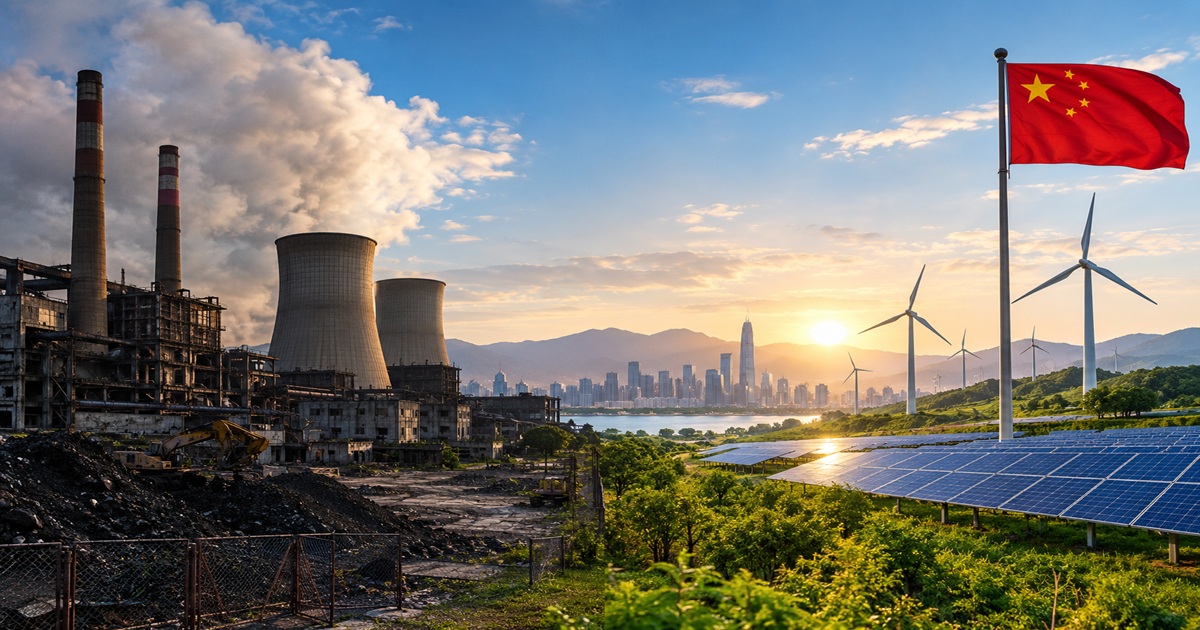
Kathmandu: China reports to have cancelled 67 percent of the coal-fired power capacity it had planned to build overseas since 2021, avoiding an estimated 6.4 billion tons of lifetime carbon dioxide emissions.
According to a new report by the Centre for Research on Energy and Clean Air (CREA) and People of Asia for Climate Solutions (PACS), the cancelled projects represented 61.5 gigawatts of planned coal-based energy capacity. The report said the cancellations show some progress toward China’s 2021 pledge to support green development overseas.

However, researchers warned that China’s overseas coal expansion has not ended. Analysts said China’s pledge still allows private Chinese companies to invest in coal projects abroad.
Indonesia remains the largest destination for continued Chinese-backed coal investments, with 17.1 gigawatts of planned capacity, according to the report. Vietnam and Pakistan followed, each with less than 4 gigawatts of projects in the pipeline.
Indonesia has also experienced a rise in Chinese-funded coal plants designed to supply energy directly to energy-intensive industries such as nickel and aluminum smelters, rather than connecting to the national power grid. These facilities are commonly referred to as “captive coal” plants.
As China appears keen over its green-development commitments and global climate goals, the environmental benefits of China’s rapid expansion of clean energy could be weakened with commercial entities not going with the pledge, international media reported.
Meanwhile, the energy shock created by US-Iran war is also likely to affect the green energy drive, mainly in several countries in Southeast Asia. Countries including the Philippines, Thailand, Indonesia and Vietnam are found to increase their use of coal as they respond to energy-security pressures.
Conversation


More News




- Nepal's First Energy Based News Portal
-
Energy Information Center Pvt. Ltd.
Hemant Marg-11, Babar Mahal, Kathmandu
- Info. Dept. Reg. No. : 254/073/74
- Telephone : +977-1-5321303
- Email : [email protected]