Energy Update



'Resilient Hydropower: Transforming Nepal's Insurance Landscape' Conference
“Hydropower Insurance Must Shift From Post-Loss Compensation to Risk Management”
-
 Urja Khabar
- 3 October, 2026
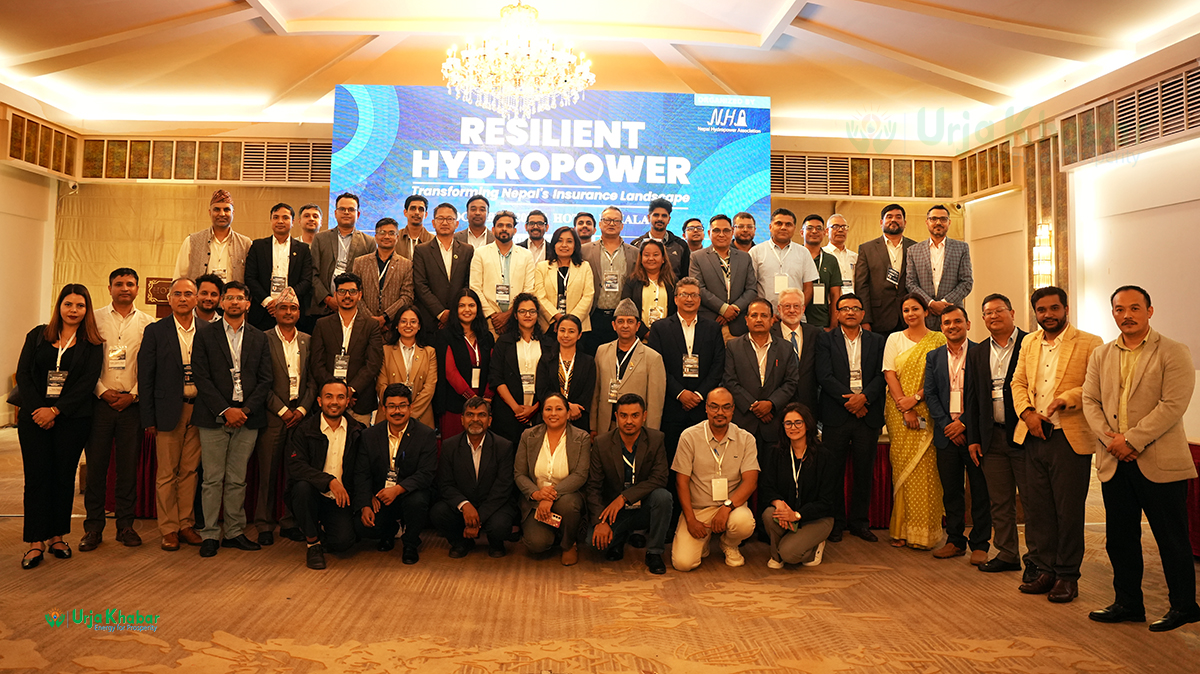
Kathmandu: Experts, researchers, policymakers, and hydropower stakeholders have called for a major shift in Nepal’s hydropower insurance system, urging the sector to move from post-disaster compensation toward proactive, risk-based management.
Speaking at the national conference ‘Resilient Hydropower: Transforming Nepal’s Insurance Landscape,’ organized by the Nepal Hydropower Association (NHA) in Kathmandu, speakers stressed that insurance should be integrated into hydropower projects throughout their entire lifecycle—from planning and design to construction, operation, and rehabilitation.

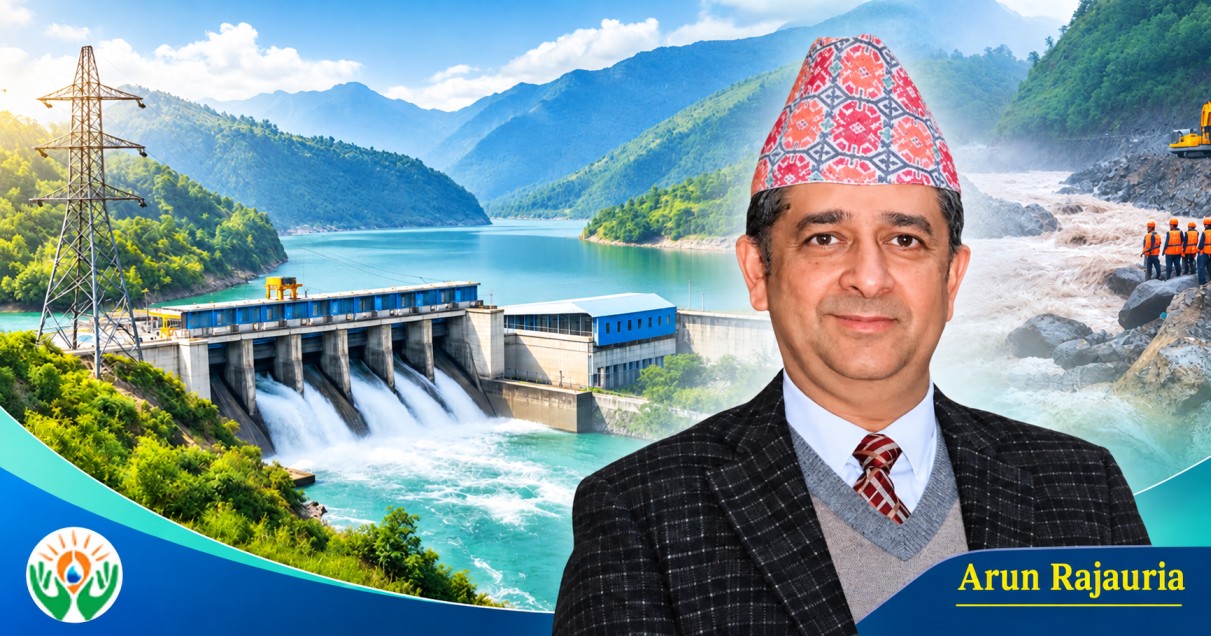
NHA President Arun Rajauria said insurance should focus not only on compensating losses but also on reducing the likelihood and scale of damage. He emphasized the need to closely link engineering risk assessments with insurance practices.
Nepal’s hydropower projects face growing threats from floods, landslides, debris flows, earthquakes, Glacial Lake Outburst Floods (GLOFs), extreme rainfall, sedimentation, construction hazards, and climate change. Rajauria said risk assessments should consider the entire hydropower system, including watersheds, rivers, dams, tunnels, powerhouses, roads, bridges, transmission infrastructure, and nearby communities.
Former Water Resources Minister Dipak Gyawali, who was the chief guest of the program, stressed the importance of reservoir-based and pumped-storage hydropower projects to improve resilience against climate-related disasters. He also called for project designs tailored to different geographical conditions and supported by appropriate technologies.
Experts at the conference presented papers on disaster risk assessment, climate change, insurance frameworks, preparedness, and lessons from recent hydropower damage.
Abhigya Malla of the Independent Power Producers' Association, Nepal highlighted challenges faced by private developers, including unpredictable insurance premiums and delays in claim settlements. Himalayan Everest Insurance’s Dibas Timilsina advocated for a risk-based insurance framework, while Basanta Devkota discussed recent flood and landslide damage, insurance claims, and risk-mitigation measures.
International expert Dr. Sebastian Palt highlighted the growing threat of GLOFs to Himalayan hydropower projects, citing lessons from Pakistan’s 106 MW Golen Gol Hydropower Project.
Former Nepal government secretary Dinesh Kumar Ghimire called for clear strategies to manage climate-related risks, including risk-based premiums, standardized risk assessments, faster claims processing, and commercially viable and predictable insurance costs.
NHA General Secretary Nirmala Lama said the conference helped bring developers, insurers, reinsurers, banks, regulators, engineers, and climate experts together to discuss practical solutions. She said the event also helped advance discussions on insurance premiums, technical knowledge-sharing, risk assessment, and stronger coordination among stakeholders.
More than 100 participants attended the conference, representing Nepal’s hydropower, insurance, banking, regulatory, engineering, and climate sectors.
Conversation


More News



- Nepal's First Energy Based News Portal
-
Energy Information Center Pvt. Ltd.
Hemant Marg-11, Babar Mahal, Kathmandu
- Info. Dept. Reg. No. : 254/073/74
- Telephone : +977-1-5321303
- Email : [email protected]