Energy Update



Kathmandu Climate Week 2026 Begins with Focus on Global Climate Diplomacy
-
 Urja Khabar
- 2 October, 2026
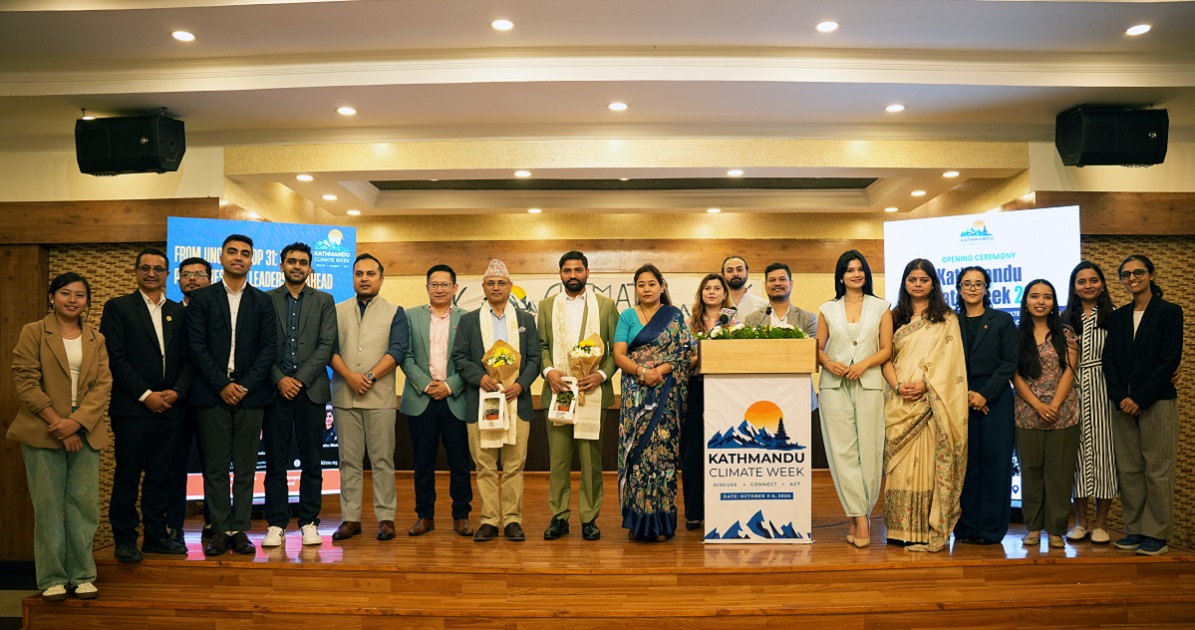
Kathmandu: The three-day Kathmandu Climate Week 2026 began Friday at Amrapali Banquet in Naxal, bringing climate justice, resilience and local action into the broader framework of international climate diplomacy.
Organized under the theme “From Local Action to Global Climate Diplomacy: Climate Justice for Climate Resilience,” the event was inaugurated by Foreign Minister Shishir Khanal.

Addressing the inaugural session, Minister Khanal said climate change is no longer merely an environmental or academic issue but an existential challenge affecting agriculture, infrastructure, water security, public health, energy and foreign policy.
Referring to the ‘Evergreen to Ocean’ dialogue held during the 81st United Nations General Assembly, Khanal highlighted the close connection between the Himalayas and oceans and said protecting the Himalayan region is essential for global ecological security.
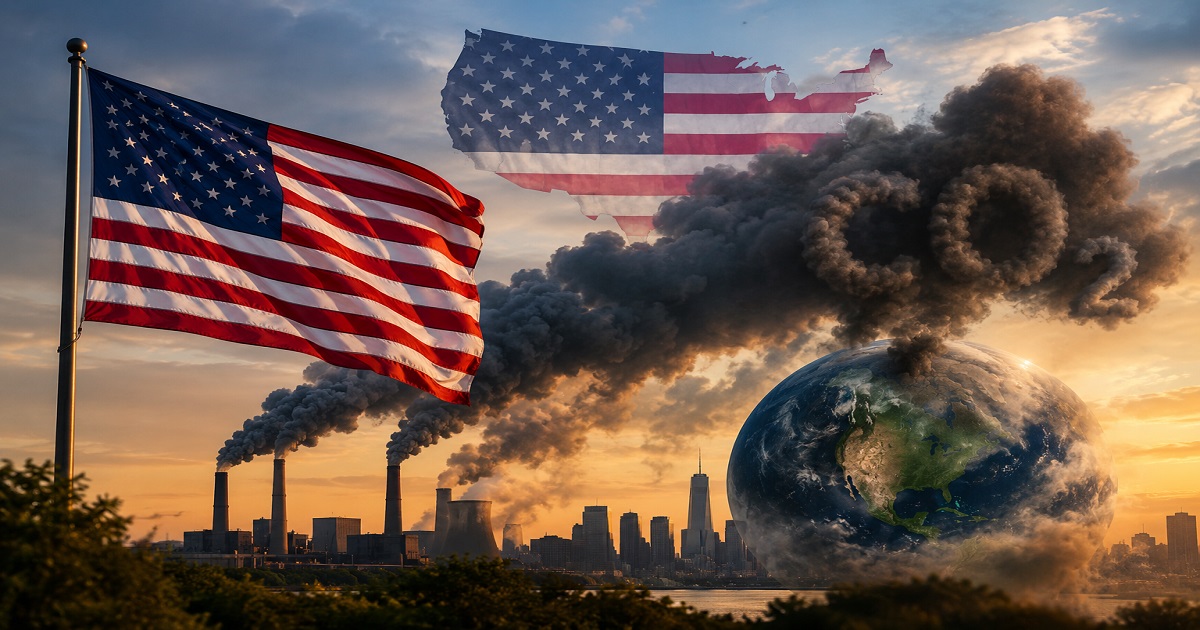
He stressed the need for transparent, grant-based climate finance and easier access to Loss and Damage Funds, noting that Nepal contributes less than 0.1 percent of global greenhouse gas emissions while facing severe climate-related impacts.
Khanal also said the Ministry of Foreign Affairs has established a dedicated Climate Diplomacy Division to make climate diplomacy more effective and sustainable. He emphasized the need to strengthen cross-border hydro-meteorological data sharing and scientific cooperation.
Kushal Gurung, CEO of Wind Power Nepal and an energy expert, said the event aims to establish Kathmandu as an important platform for developing solutions to the global climate crisis. Recalling the floods in Rasuwagadhi on the day of the event’s first preparatory meeting, Gurung said Nepal should play a stronger role in international forums advocating climate justice.
“Climate change is no longer an issue for future generations; it is a major crisis that has already reached our doorsteps and must be taken seriously,” Gurung said.
According to the organizers, the event aims to bring climate finance closer to frontline and vulnerable communities, connect research with policymaking and ensure greater participation of young people in decision-making.
More than 17 interactive sessions will be held during the three-day event, covering climate justice, loss and damage, sustainability, climate technology and the role of the private sector.
Policymakers, parliamentarians, marginalized communities and young people will engage in detailed discussions on Saturday and Sunday. The program will also include practical training on 'Climate-Resilient Agriculture through Hydroponics Technology.' The program will then conclude with a public film screening on October 5.
The organizers envision 'Kathmandu Climate Week' as an annual forum for continued discussions on mountain and climate issues in South Asia. They also expect it to help bring Nepal’s climate challenges to the upcoming COP31.
Conversation


More News



- Nepal's First Energy Based News Portal
-
Energy Information Center Pvt. Ltd.
Hemant Marg-11, Babar Mahal, Kathmandu
- Info. Dept. Reg. No. : 254/073/74
- Telephone : +977-1-5321303
- Email : [email protected]