Energy Update



Power Restoration Gains Momentum in Flood-Hit Districts: Energy Ministry
-
 Urja Khabar
- 7 September, 2026

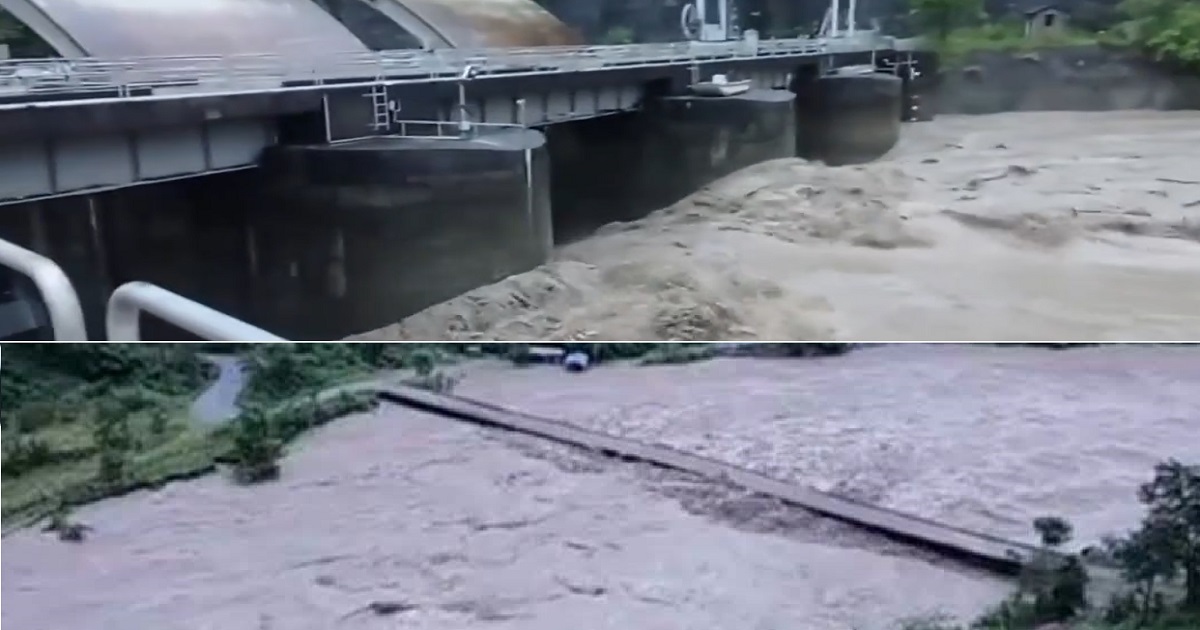
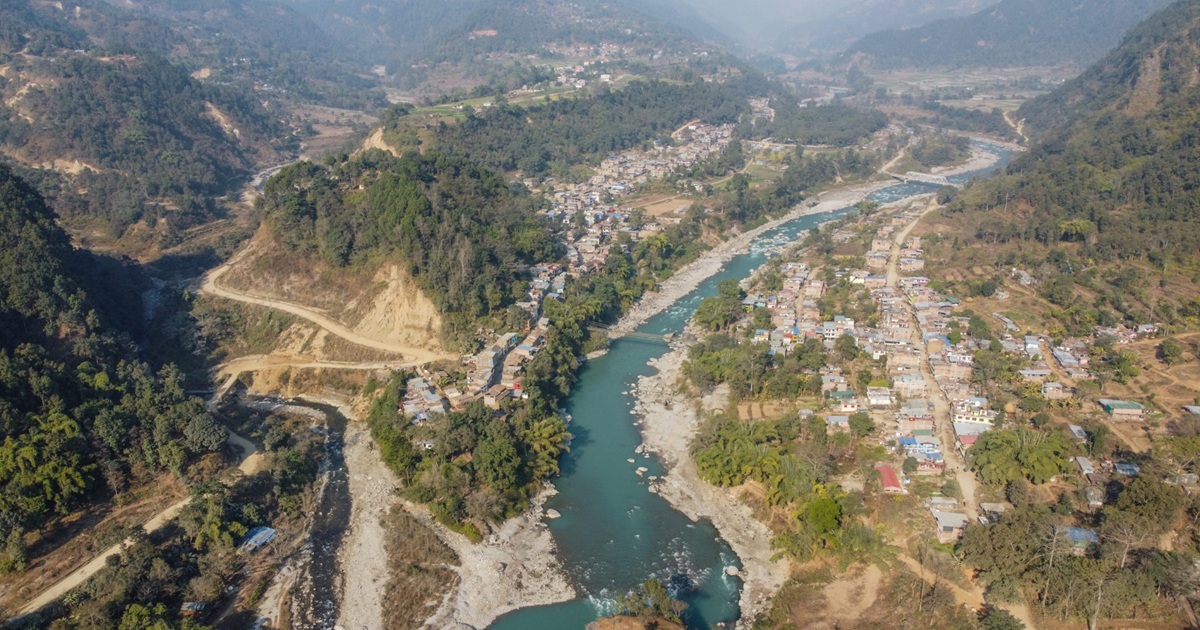
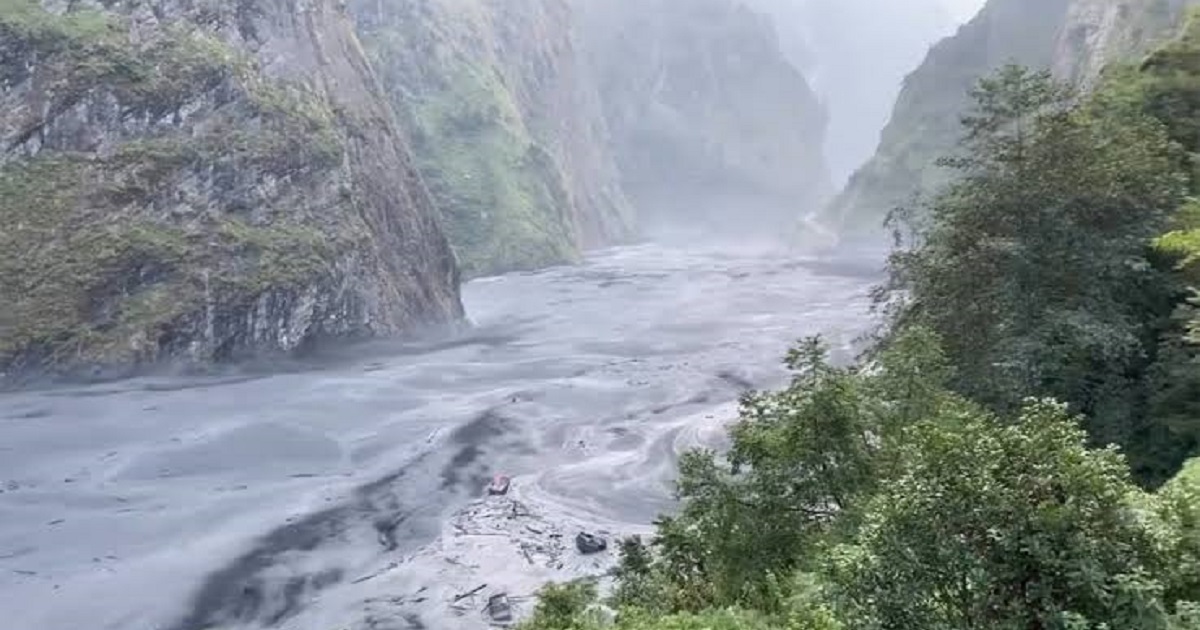
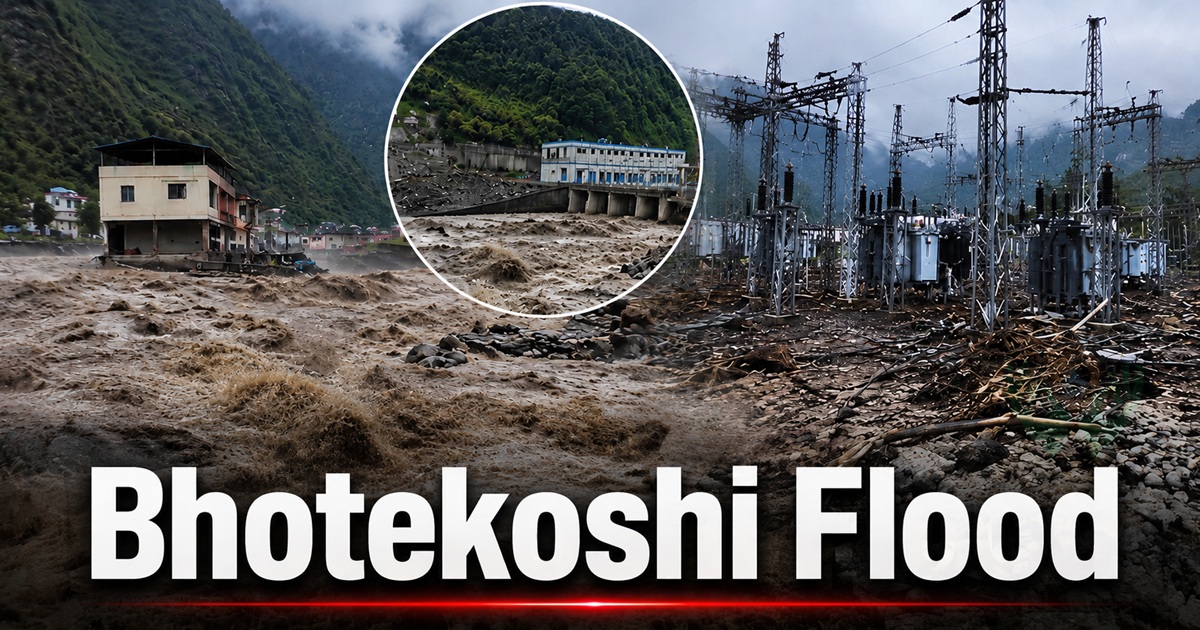
Kathmandu: The Ministry of Energy, Water Resources and Irrigation has said it intensified efforts to restore electricity services in areas severely affected by the Bhotekoshi flash floods, with power supply almost fully restored in Dhading and Nuwakot.
According to the ministry, electricity has been restored to 99.8 percent of households in Dhading and 96.7 percent in Nuwakot, despite difficult weather and challenging terrain following the August 26 floods.

The ministry said technical teams from the Nepal Electricity Authority (NEA) are continuing restoration work in Rasuwa, where several areas remain without electricity.
Meanwhile, search and rescue operations are underway at several hydropower projects damaged by the floods, including Upper Trishuli-3A, Upper Trishuli-3B, Chilime and Rasuwagadhi.
To support rescue and restoration efforts, essential equipment, including mud pumps and generators, has been airlifted to the affected sites. Rescue teams have already gained access to the Rasuwagadhi powerhouse, while debris-clearing operations are continuing at multiple project sites.
At Upper Trishuli-3B, small excavators are being used to remove debris and clear access routes, the ministry said.
Alongside efforts to restore the conventional power network, the ministry has begun deploying solar power systems to provide alternative electricity services in the flood-affected areas.
So far, the government, through the Alternative Energy Promotion Center, has dispatched 13 office solar systems and 500 household solar systems to flood- affected sites. The ministry plans to provide additional solar systems to 1,268 households in Rasuwa citing the possible delay on restoration of power connection to those areas with the national grid.
The solar equipment is being transported to affected areas by helicopter as part of the government’s effort to ensure immediate access to electricity while permanent infrastructure is restored.
Conversation


More News

- Nepal's First Energy Based News Portal
-
Energy Information Center Pvt. Ltd.
Hemant Marg-11, Babar Mahal, Kathmandu
- Info. Dept. Reg. No. : 254/073/74
- Telephone : +977-1-5321303
- Email : [email protected]