Energy Update


NRB Eases Credit Rules, Raises Loan Margin for Public Transport EVs
-
 Urja Khabar
- 7 July, 2026
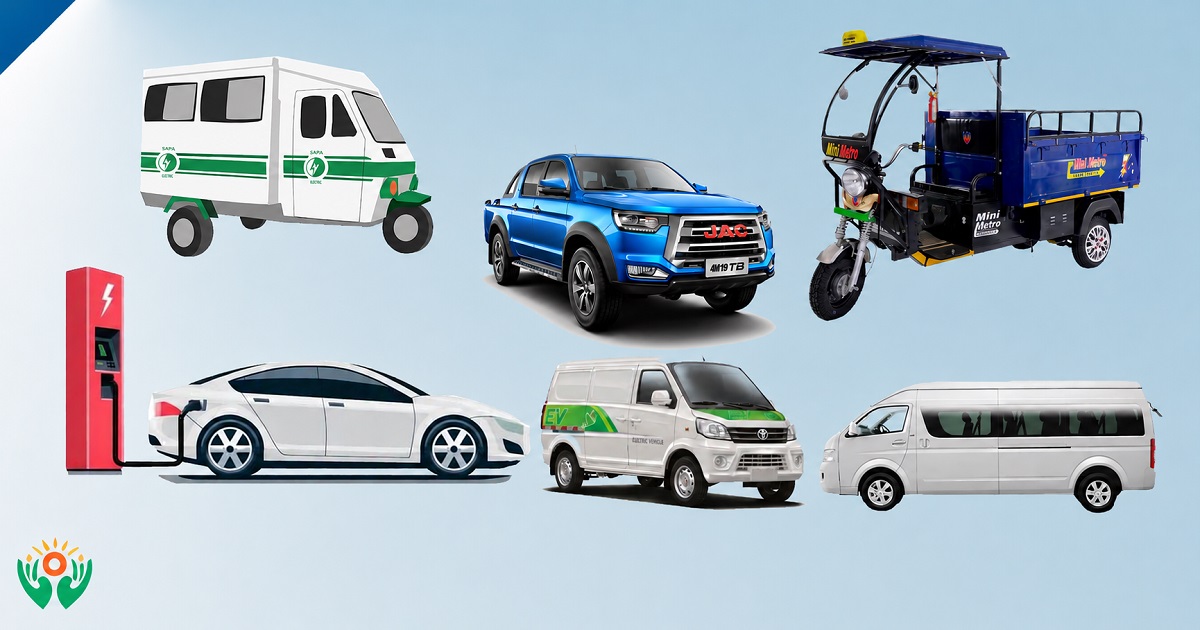
KATHMANDU; Nepal Rastra Bank (NRB) has introduced a series of measures to facilitate credit expansion, including a proposal to significantly increase the loan-to-value (LTV) ratio for large electric vehicles (EVs) used in public transportation.
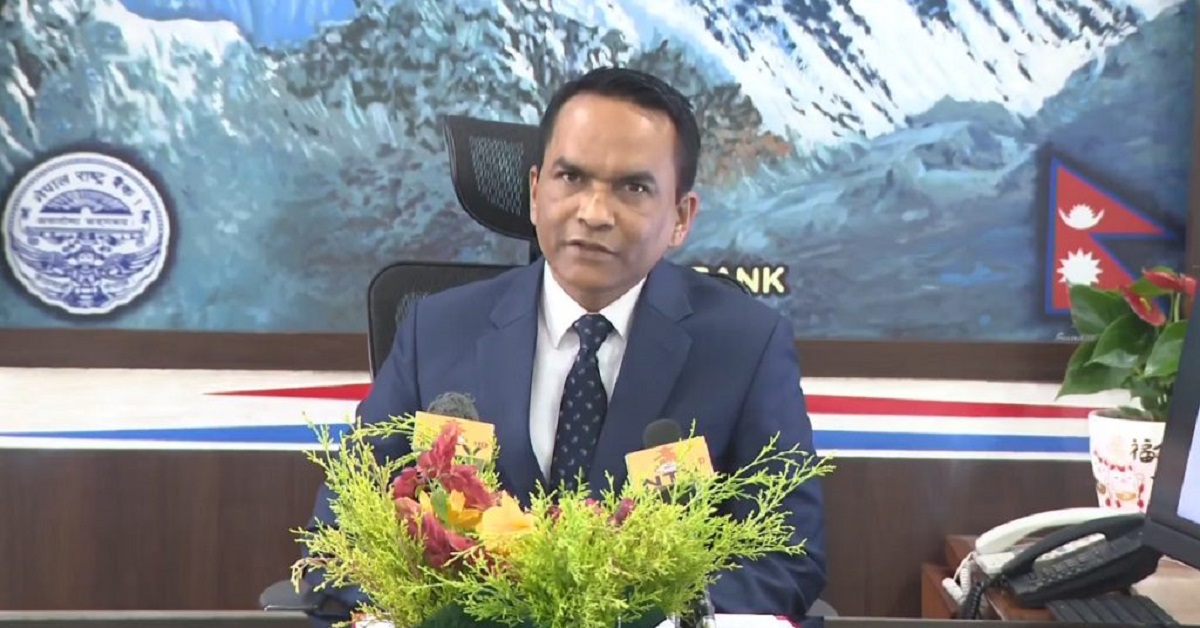
Unveiling the Monetary Policy for fiscal year 2026/27 on Tuesday, the central bank said the maximum LTV ratio for public transport EVs will be raised to 80 percent from the existing 60 percent. The provision will allow borrowers to finance up to 80 percent of the vehicle's value through bank loans, reducing the upfront investment required to purchase electric buses and other large EVs.

The policy is aimed at encouraging investment in clean public transportation while improving access to financing for transport operators.
The monetary policy also proposes to study the introduction of peer-to-peer (P2P) lending based on individual credit scores, in line with the government's budget announcement. The central bank said the framework would explore technology-driven lending mechanisms while promoting responsible borrowing through a personal credit rating system.
Projecting improved economic activity in the coming fiscal year, the NRB expects private sector credit to expand by 11 percent. It attributed the anticipated growth to policy reforms intended to revive consumer demand, strengthen the investment climate and improve business confidence.
To facilitate greater access to finance, the central bank has announced several additional policy measures. These include introducing special arrangements to prevent borrowers from facing unlimited personal liability through loan guarantees and reviewing existing provisions that restrict access to banking services for individuals blacklisted due to cheque dishonour.
Launching the monetary policy, NRB Governor Bishwo Nath Poudel said the central bank has continued its flexible monetary policy stance to support economic recovery and private sector activity.
He added that the central bank has kept its key monetary policy instruments unchanged, including the policy rate, bank rate, deposit collection rate, cash reserve ratio (CRR) and statutory liquidity ratio (SLR), while relying on targeted policy interventions to stimulate credit and investment.
Conversation


More News




- Nepal's First Energy Based News Portal
-
Energy Information Center Pvt. Ltd.
Hemant Marg-11, Babar Mahal, Kathmandu
- Info. Dept. Reg. No. : 254/073/74
- Telephone : +977-1-5321303
- Email : [email protected]