Energy Update



Nepal Resumes 40 MW Power Exports to Bangladesh After Two-Month Suspension
-
 Urja Khabar
- 27 October, 2026
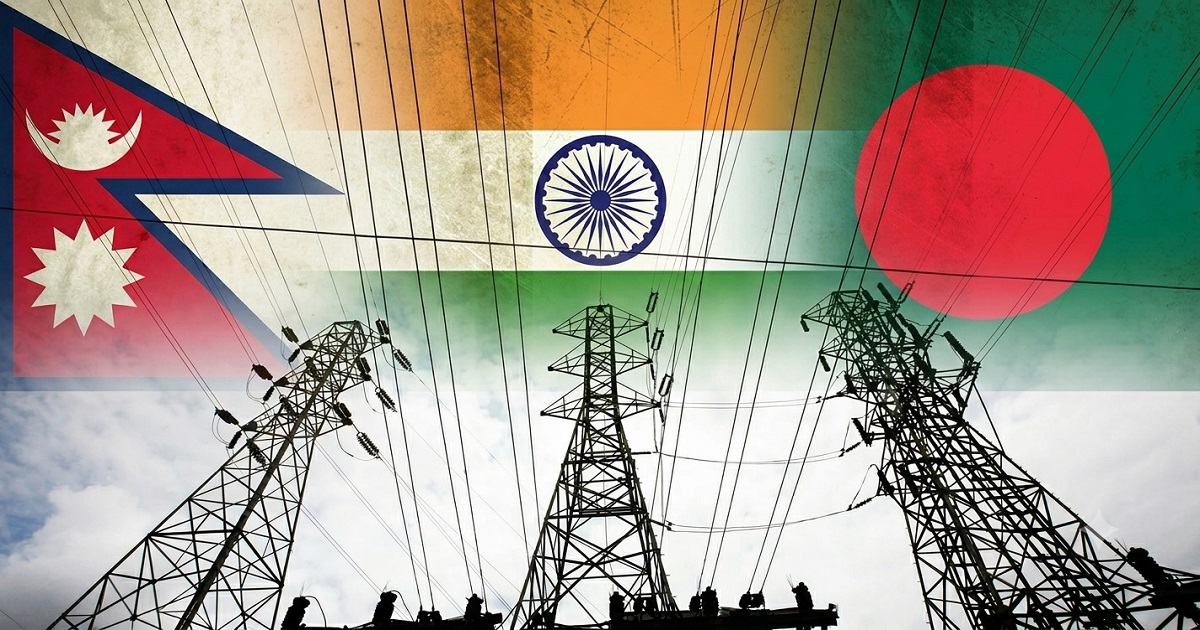
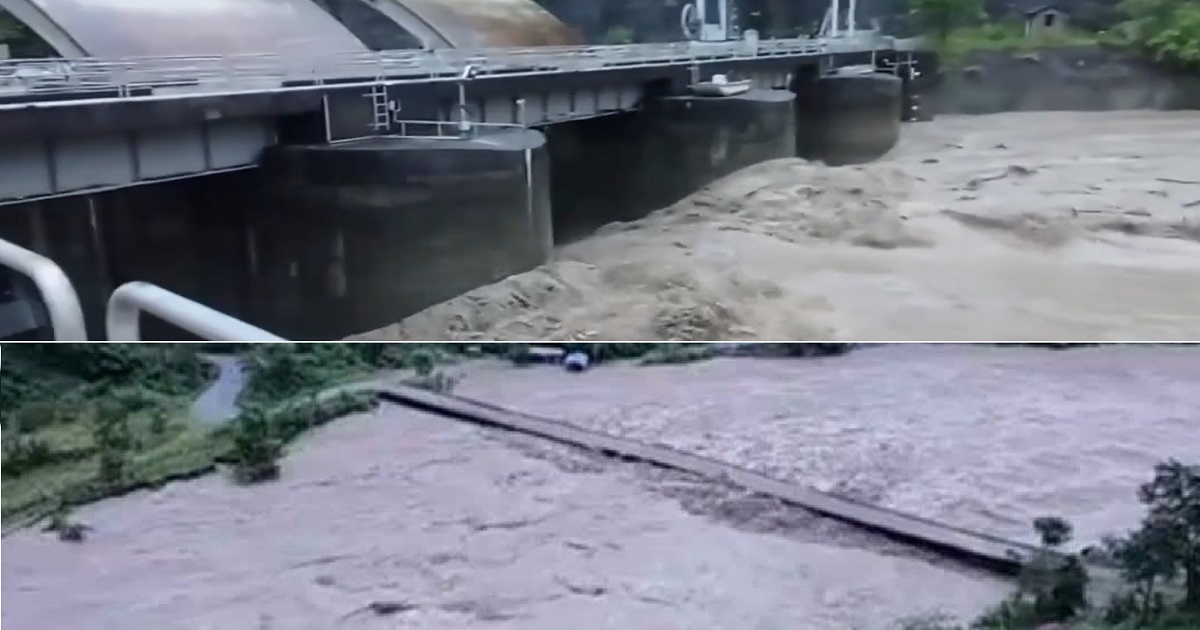
Kathmandu: Nepal has resumed exporting 40 MW of electricity to Bangladesh after a nearly two-month suspension triggered by floods in the Bhotekoshi-Trishuli river system on August 26, which damaged hydropower infrastructure and disrupted generation at projects with a combined capacity of more than 400 MW.
According to Dirghayu Kumar Shrestha, executive director of the Nepal Electricity Authority (NEA), electricity exports to Bangladesh resumed on October 23. Under a revised arrangement, the NEA has received approval to export electricity generated by the Solu, Kabeli-1 and Lower Modi hydropower projects to Bangladesh and Haryana, replacing the previously approved Trishuli, Devighat and Chilime plants.

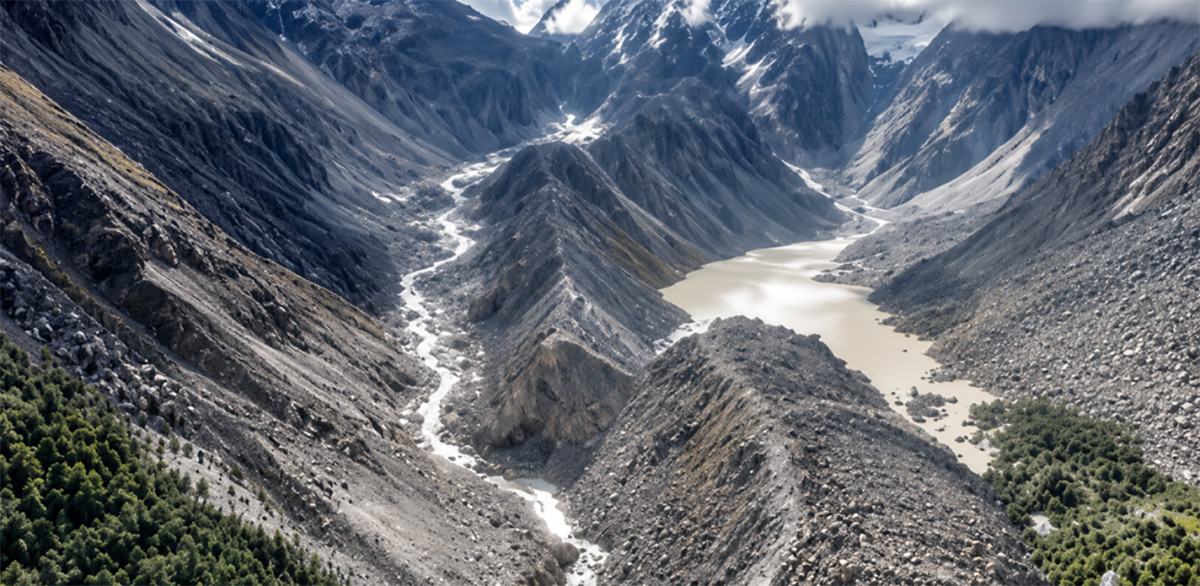
Exports were suspended after a flood in the Trishuli River, triggered by a glacial flood in the Bhote Koshi River in Rasuwa on August 26, damaged the Trishuli and Chilime hydropower plants. The damage disrupted exports to Bangladesh, as these plants were among those authorized under the bilateral agreement. The flood also partially affected electricity exports to Haryana, an Indian state.
On October 3, 2024, the NEA and the Bangladesh Power Development Board (BPDB) signed a five-year agreement to facilitate seasonal electricity exports. Under the deal, Nepal supplies 40 MW of electricity to Bangladesh daily during the six-month period from June 15 to November 15 each year.
Meanwhile, the NEA earned Rs 5.92 billion from electricity exports to India over the past month. Despite flood-related disruptions and the suspension of generation at several hydropower projects, export revenue from mid-September to mid-October increased compared with the corresponding period last year.
In a further boost to Nepal's electricity trade, India's Central Electricity Authority has authorized the country to sell an additional 31 MW of electricity in the Indian market. With the latest approval, Nepal's total authorized electricity export capacity to India has reached approximately 1,179 MW.
Conversation


More News




- Nepal's First Energy Based News Portal
-
Energy Information Center Pvt. Ltd.
Hemant Marg-11, Babar Mahal, Kathmandu
- Info. Dept. Reg. No. : 254/073/74
- Telephone : +977-1-5321303
- Email : [email protected]