Energy Update


Commercial Banks’ Lending to Energy Sector Rises 18.18% to Rs 525.92 Billion
-
 Urja Khabar
- 25 November, 2026
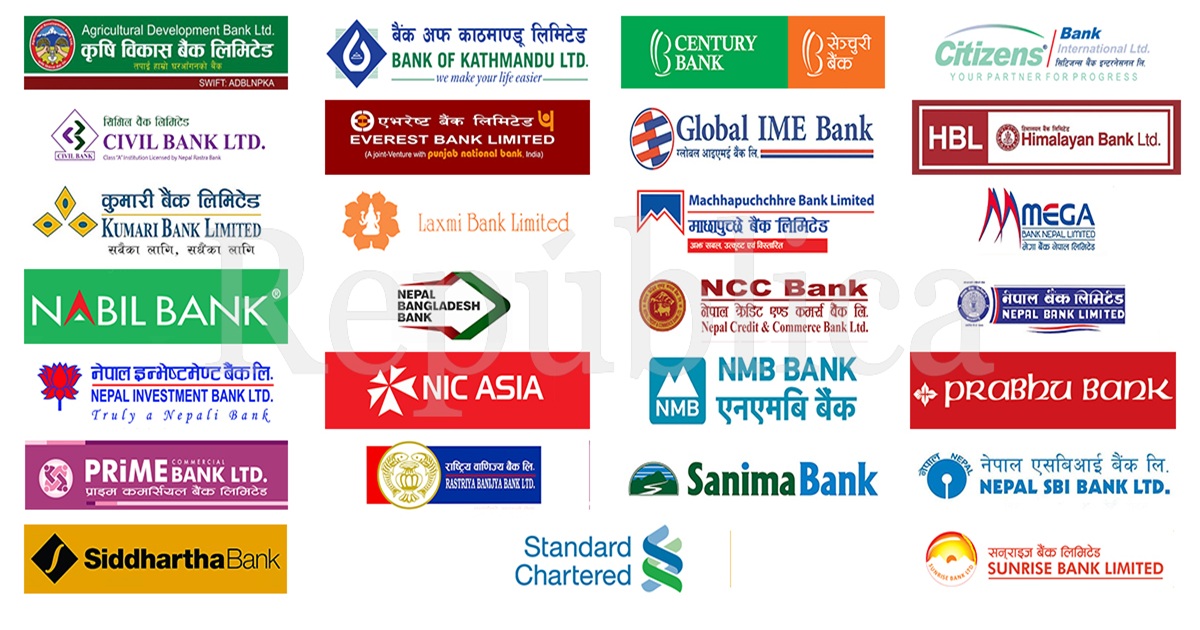
Kathmandu: Commercial banks’ lending to the energy sector increased by 18.18 percent in the first quarter of the current fiscal year 2026/27, reaching Rs 525.92 billion by mid-October, according to Nepal Rastra Bank (NRB).
The total lending stood at Rs 445.01 billion during the corresponding period of the previous fiscal year. This represents an increase of Rs 80.91 billion in energy-sector loans over the past year.

A significant portion of bank lending to the energy sector goes towards the development and construction of hydropower projects. Hydropower developers in Nepal generally follow a 70:30 debt-to-equity financing structure, with banks and financial institutions providing a substantial share of the long-term financing required for project development. Given the high capital requirements of hydropower projects, banks often participate in joint financing arrangements through consortium lending.
The overall growth in lending indicates an expanding role for commercial banks in financing hydropower development and broader energy infrastructure.
Among commercial banks, Nabil Bank has the highest exposure to the energy sector, with outstanding loans reaching Rs 57.54 billion during the review period. Its lending to the sector increased by 37.63 percent year-on-year.
Kumari Bank ranked second, with energy-sector loans rising by 35.06 percent, or more than Rs 14.30 billion, to reach Rs 55.12 billion.
Nepal Investment Mega Bank ranked third, with loans amounting to Rs 36.13 billion, marking an annual growth of 11.57 percent.
Similarly, Laxmi Sunrise Bank and Global IME Bank ranked fourth and fifth, respectively, with energy-sector lending of Rs 35.60 billion and Rs 33.24 billion.
In terms of annual growth, NIC Asia Bank recorded the highest increase in energy-sector lending. Its loans to the sector surged by 64.92 percent to Rs 3.54 billion, compared to Rs. 2.15 billion in the corresponding period last year.
Everest Bank recorded the second-highest growth, with its energy-sector lending increasing by 54.85 percent to Rs 31.56 billion. The bank's lending stood at Rs 20.38 billion during the same period of the previous fiscal year.
Despite the overall expansion in energy-sector lending, three commercial banks recorded a decline in their exposure to the sector during the review period.
Standard Chartered Bank Nepal registered the steepest decline, with its energy-sector lending falling by 36.39 percent. The bank's loans decreased from Rs 8.41 billion in the corresponding period last year to Rs 5.35 billion.
Conversation


More News



- Nepal's First Energy Based News Portal
-
Energy Information Center Pvt. Ltd.
Hemant Marg-11, Babar Mahal, Kathmandu
- Info. Dept. Reg. No. : 254/073/74
- Telephone : +977-1-5321303
- Email : [email protected]