Energy Update



Energy Ministry estimates over 390 billion to rebuild flood-damaged energy infrastructure
-
 Urja Khabar
- 23 September, 2026
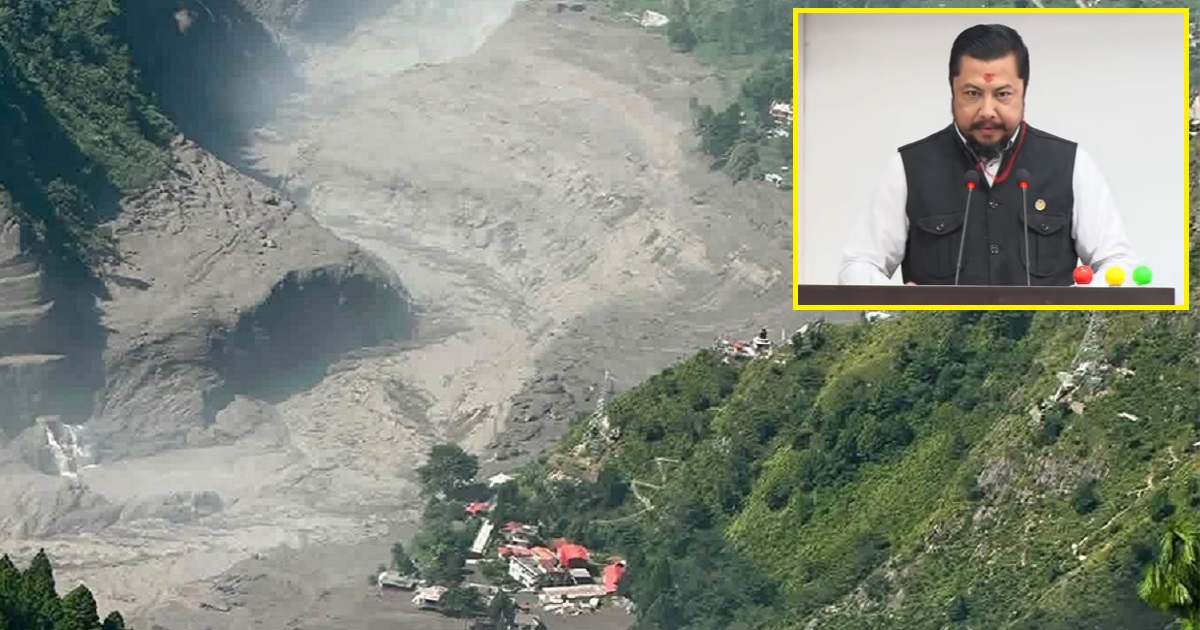
Kathmandu: Nepal will require an estimated investment of approximately Rs 390.62 billion for the reconstruction and rehabilitation of energy sector infrastructure damaged by the devastating floods that struck the Bhote Koshi and Trishuli rivers on August 26.
Briefing the House of Representatives on Wednesday, Minister for Energy, Water Resources and Irrigation, Biraj Bhakta Shrestha informed the preliminary estimates regarding the flood-induced damage to the energy sector and the resources needed for restoration.

The national power system has lost 410 megawatts of generation capacity due to the shutdown of 11 power generation plants caused by the floods. Among the damaged facilities are seven hydropower plants and one solar power plant; generation totaling approximately 275 MW has come to a halt at these sites.
Additionally, Minister Shrestha noted that while three hydropower projects with a combined capacity of 135 MW did not sustain direct damage, their power generation was suspended due to damage to transmission lines. According to him, the floods have also caused significant damage to hydropower projects currently under construction, with six hydropower projects with a combined capacity of 508 MW have sustained damage due to the floods.
Shrestha stated that the floods have also caused extensive damage to transmission and distribution infrastructure as well as renewable energy systems. According to him, the 220 kV Trishuli-3 ‘B’ Hub substation in Trishuli has been completely destroyed. The Matatirtha-Chilime 220 kV hub has been disrupted, and damage has been sustained by the 132 kV Trishuli-3 ‘B’ Hub-Matatirtha and the 66 kV Chilime-Matatirtha transmission lines.
Similarly, the Chilime switchyard, Upper Trishuli-3 ‘A’ switchyard, and Devighat switchyard, along with various distribution lines and utility poles, were among others that sustained major damage. More than 800 individuals working on energy sector projects remain out of contact following the floods. According to Minister Shrestha, 47 employees of the Nepal Electricity Authority (NEA) are among those who are currently out of contact.
Minister Shrestha stated that the government has decided to waive minimum billing charges starting from last month to provide relief to flood-affected NEA customers regarding electricity-related financial burdens. He informed that arrangements have been made to provide new electricity meters free of charge to customers who wish to resume service after their previous meters were damaged by the floods. He also mentioned that a study is underway regarding the possibility of offering additional concessions on electricity tariffs to customers in the 15 affected municipalities.
Minister Shrestha further noted that the damage inflicted on the energy sector by the floods was not limited to physical infrastructure alone; rather, it served as a serious lesson on the need to prioritize disaster risk management when developing future hydropower and energy infrastructure. According to him, the Energy Ministry has directed relevant agencies to plan future hydropower projects and energy infrastructure using safe and disaster-resilient designs capable of mitigating disaster risks.
Conversation


More News



Related News


- Nepal's First Energy Based News Portal
-
Energy Information Center Pvt. Ltd.
Hemant Marg-11, Babar Mahal, Kathmandu
- Info. Dept. Reg. No. : 254/073/74
- Telephone : +977-1-5321303
- Email : [email protected]