Energy Update


IPPAN Urges Special Status for Flood-Hit Hydropower Projects
-
 Urja Khabar
- 17 September, 2026
Kathmandu: The private sector power producers have demanded the government to declare the flood-hit hydropower projects in Bhotekoshi-Trishuli corridor ‘Special Flood-Affected Hydropower Projects,’ seeking special relief package for them.
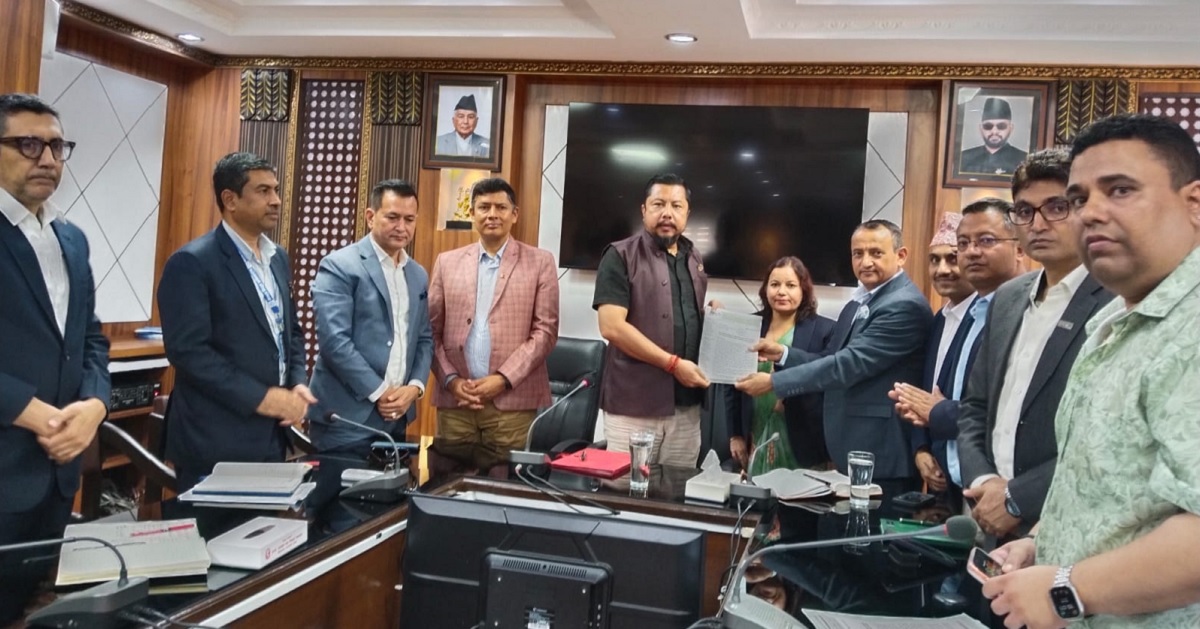
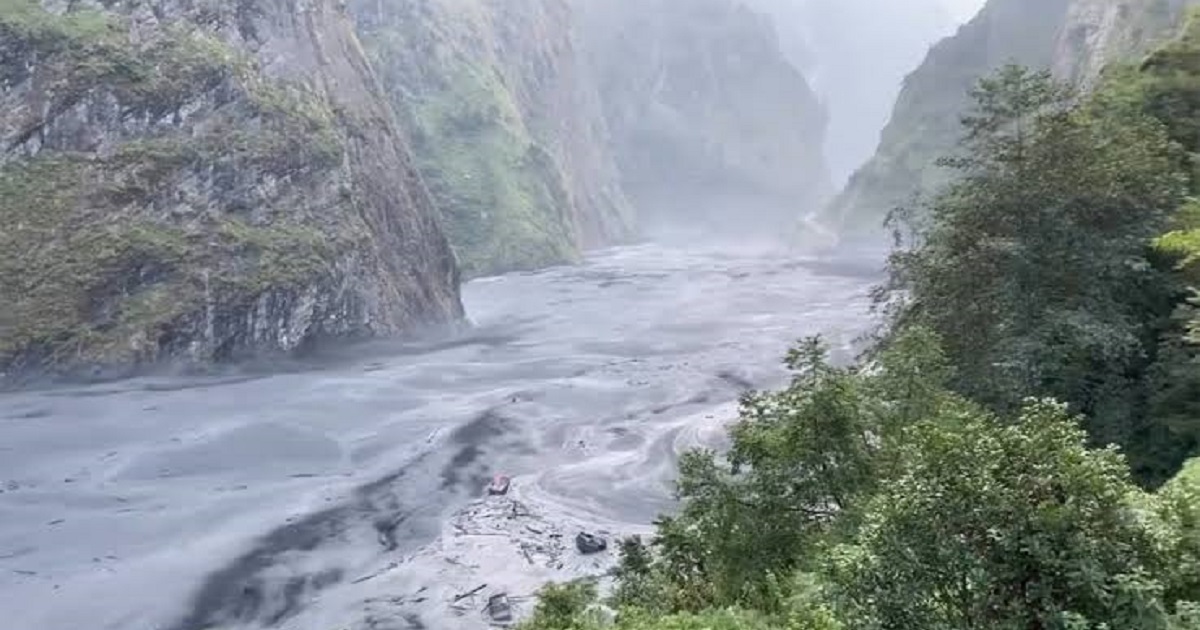
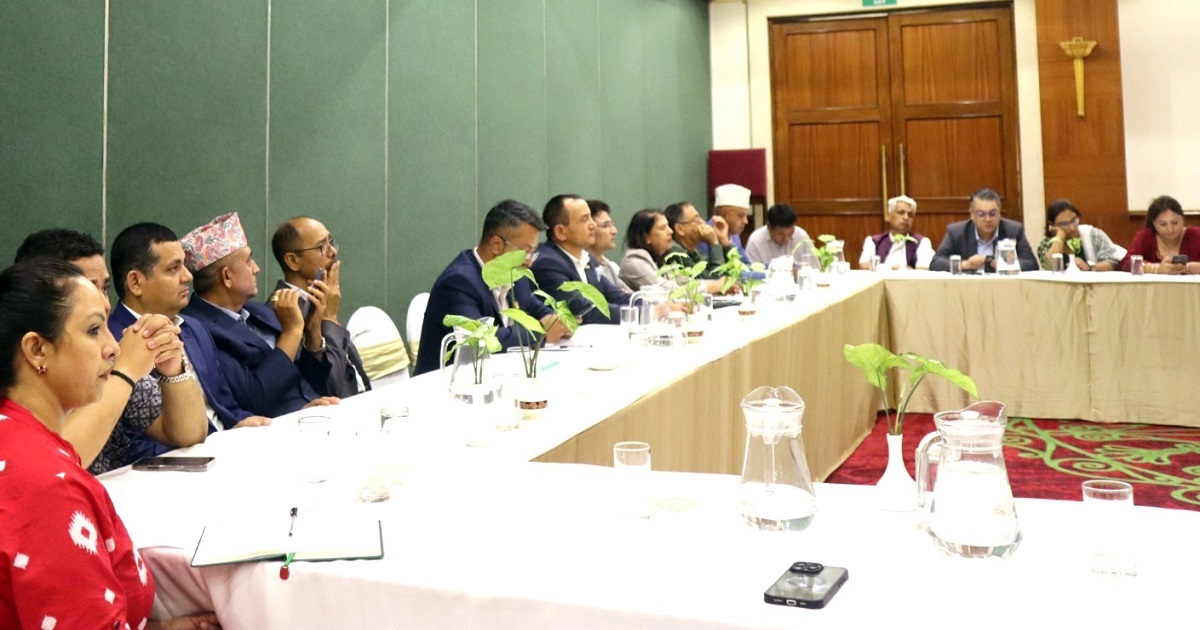
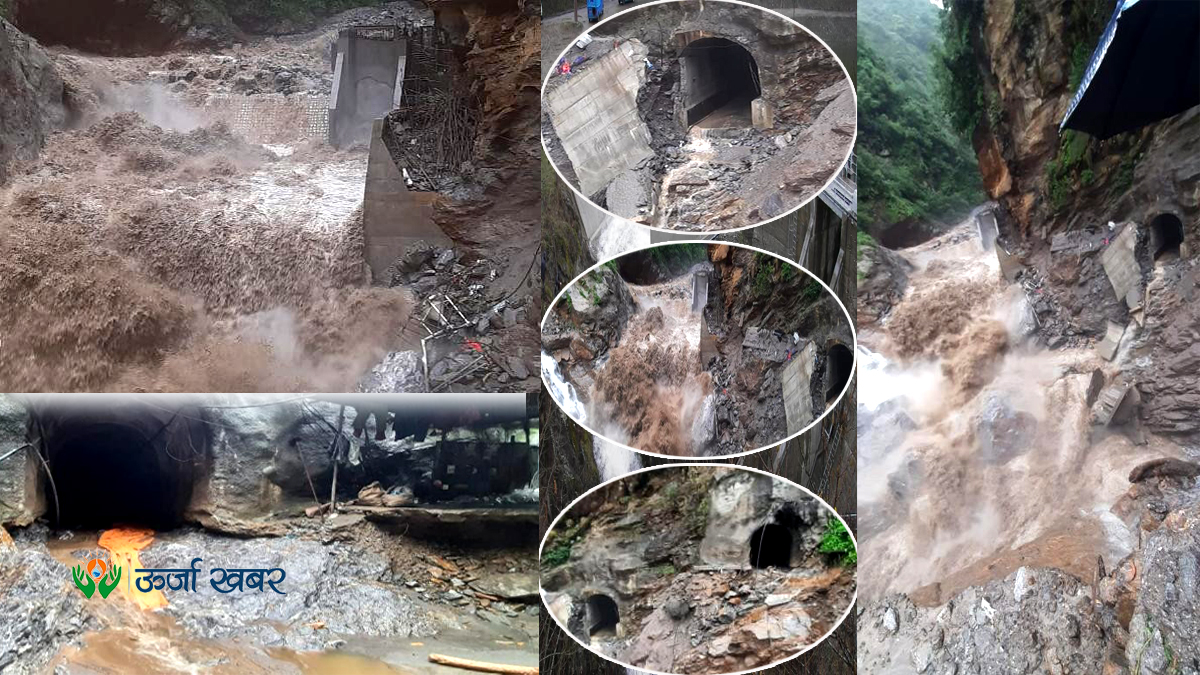
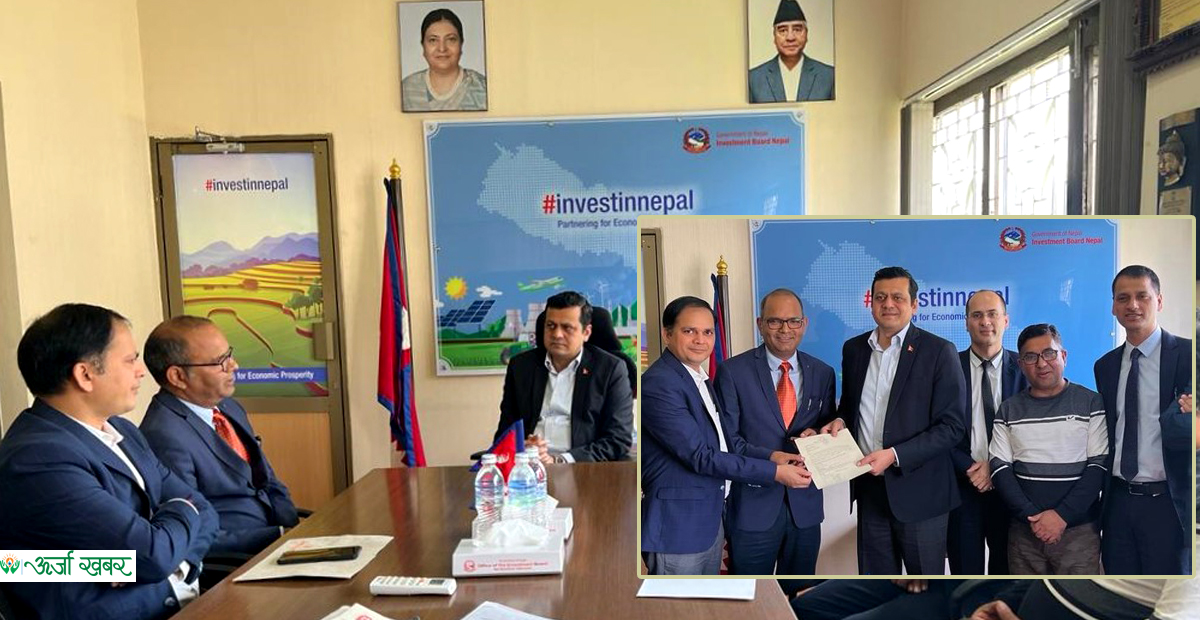
In a meeting with Minister for Energy, Water Resources and Irrigation Biraj Bhakta Shrestha on Wednesday, representatives from the Independent Power Producers' Association of Nepal (IPPAN) sought the government favour for the flood-hit hydropower projects. The IPPAN team urged the government to come up with necessary legal, financial, administrative and regulatory measures for the reconstruction of hydropower projects damaged by the devastating flood that hit the Bhotekoshi River on August 26.

The team led by IPPAN President Mohan Kumar Dangi demanded a formulating high-level reconstruction directive under the chairmanship of the Energy Minister Shrestha to issue a special reconstruction and rehabilitation procedure. Likewise, the team also urged the government to develop a structural and implementation-oriented system.
IPPAN President Dangi said that the catastrophic floods have changed the geographical conditions of the projects under construction and those that have reached the construction stage, including the operational hydropower plants, and now they have to move forward like new projects.
IPPAN, in this regard, has emphasized that the actual damage of each project should be immediately assessed and classified as complete damage, serious damage, partial damage, access and transmission disruption, and indirect damage caused by production shutdown. The proposal states that this can be used to determine the basis for which projects require what kind of relief and concessions.
IPPAN has also urged the government to immediately issue the ‘Special Hydropower Reconstruction and Rehabilitation Procedure, 2026’. The demands from the umbrella organization also incorporate that the necessary permits, environmental approvals, use of forest areas, land acquisition, transmission infrastructure, loan restructuring, insurance claims, tax and customs exemptions, power purchase agreements (PPA) and the project completion period should be integrated in the procedure.
Extension of the PPA period and review of the PPA rate, prompt settlement of insurance claims, provision of tax and customs exemptions for equipment used in reconstruction, foreign exchange facilities for the replacement of damaged equipment and restoration of the transmission infrastructure are among the IPPAN's concerns.
Likewise, IPPAN has also sought the government intervention on forming a high-level steering committee and a task force to coordinate all reconstruction processes through a single mechanism. The Department of Electricity Development (DoED) should be made the main implementing and coordinating body for reconstruction.
The DoED should extend the period of survey and production licenses, as well as extension of the project completion period based on damage. If reconstruction is not possible, arrangements should be made to proceed with the project through a new license.
Currently, a number of projects that were not affected by the floods are also outside the national grid system. Since electricity generation cannot be resumed, a transmission and electricity export restoration plan should be prepared immediately and the damaged transmission lines should be reconstructed on national priority.
IPPAN has also proposed establishing a special reconstruction fund through the Ministry of Finance. It has been demanded that the government, development partners, concessional loans, climate finance, green and climate funds, donor agencies, insurance funds, and private sector contributions should be mobilized for the fund.
Furthermore, the IPPAN urged the Securities Board of Nepal to come forth with easy arrangements for issuing rights shares, bonds and green bonds and give priority to the issuance of rights shares as soon as possible. It has also demanded that standards be prepared for the construction of all the structures to be reconstructed in a way that can withstand future disasters.
Conversation


More News



- Nepal's First Energy Based News Portal
-
Energy Information Center Pvt. Ltd.
Hemant Marg-11, Babar Mahal, Kathmandu
- Info. Dept. Reg. No. : 254/073/74
- Telephone : +977-1-5321303
- Email : [email protected]