Energy Update



Nepal's Forex Reserves Hit Record USD 24.68 Billion as Govt Plans Sovereign Wealth Fund
-
 Urja Khabar
- 14 July, 2026
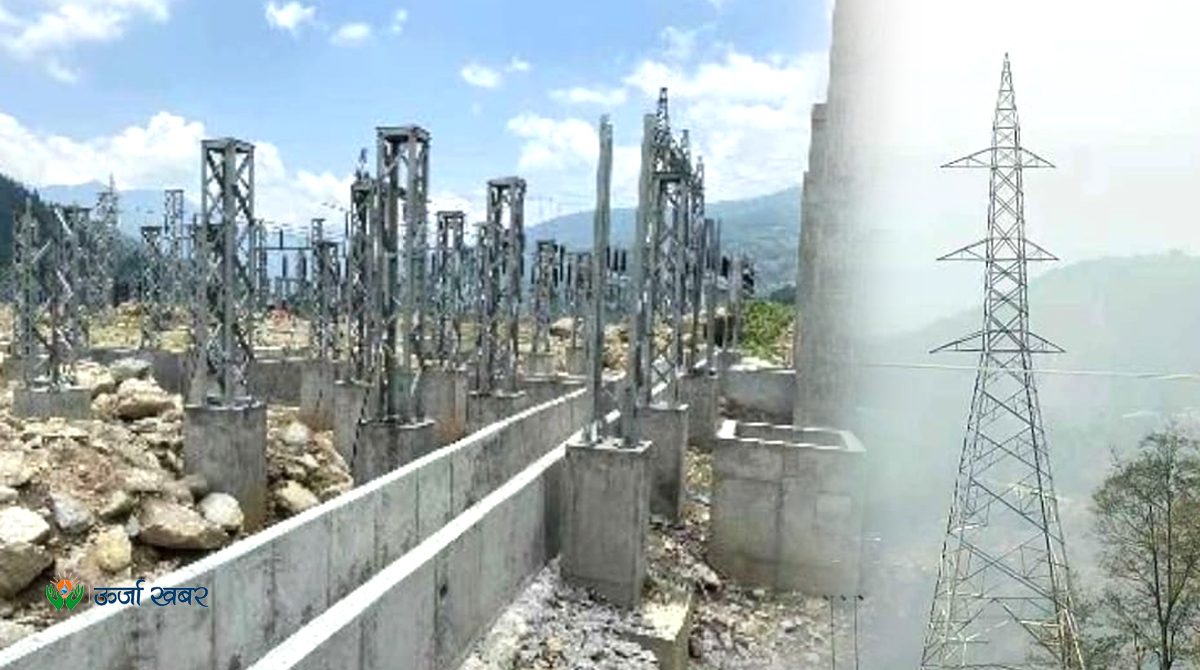
KATHMANDU; Nepal's foreign exchange reserves have reached an all-time high of Rs 3.755 trillion (USD 24.68 billion) as of mid-June 2026, providing the government with a strong financial buffer as it moves to establish a Sovereign Wealth Fund (SWF) to finance large-scale infrastructure projects, including hydropower and electricity transmission networks.
According to the Current Macroeconomic and Financial Situation of Nepal, the Nepal Rastra Bank's (NRB) flagship monthly report, the country's foreign exchange reserves increased by 40.3 percent over the past eleven months, rising from Rs 2.677 trillion recorded in mid-July 2025.

The reserves are now sufficient to finance 22.5 months of projected merchandise imports and 19.1 months of combined merchandise and services imports, reflecting Nepal's strongest external sector position in its history.
Government Eyes Sovereign Wealth Fund
The record reserve accumulation comes as the government prepares to introduce a Sovereign Wealth Fund, a long-discussed policy initiative aimed at mobilizing excess foreign exchange reserves into productive long-term investments.
A Sovereign Wealth Fund is a state-owned investment vehicle that invests surplus public funds in diversified financial assets—including global equities, bonds, infrastructure, and real estate—with the objective of generating higher long-term returns while preserving national wealth.
In Nepal's context, policymakers are considering using part of the country's excess foreign exchange reserves to support strategic domestic investments, particularly in energy infrastructure, while maintaining adequate reserve levels to safeguard external stability.
Supporting Mega Infrastructure Through Innovative Financing
The government's initiative also aligns with its broader plan to mobilize blended finance and other innovative financing instruments to accelerate investment in nationally significant infrastructure projects.
According to Former Energy Secretary Anup Kumar Upadhyay, the unprecedented level of foreign exchange reserves presents Nepal with an opportunity to develop new financial mechanisms capable of supporting the country's long-term energy ambitions.
Upadhyay said Nepal should now explore innovative financing instruments to fund large hydropower projects and high-capacity transmission infrastructure required to achieve the country's target of generating 28,500 MW of electricity over the coming decade.
Budget Signals Policy Shift
Presenting the national budget for fiscal year 2026/27, Finance Minister Dr Swarnim Wagle acknowledged that Nepal's growing foreign exchange reserves are generating relatively modest returns and emphasized the need for a new investment mechanism.
"While foreign currency reserves continue to grow, returns remain low, prompting the need for a new mechanism to utilize the funds more effectively," Finance Minister Wagle said during the budget speech.
The proposed Sovereign Wealth Fund is expected to become a key institutional mechanism for improving returns on surplus reserves while supporting Nepal's long-term development priorities.
Remittances Continue to Drive Reserve Growth
The sharp rise in foreign exchange reserves has been largely driven by a sustained increase in remittance inflows.
According to the NRB report, remittance inflows increased by 38.2 percent during the first eleven months of the current fiscal year, reaching Rs 2.120 trillion. In US dollar terms, remittances stood at USD 14.59 billion during the review period.
The continued growth in remittances, combined with improved external sector indicators, has significantly strengthened Nepal's balance of payments and foreign exchange position, creating greater fiscal and financial space for the government to pursue long-term investment strategies.
With record-high reserves and a proposed Sovereign Wealth Fund under consideration, Nepal appears poised to transition from merely accumulating foreign exchange reserves toward deploying them more strategically to finance sustainable economic growth and critical infrastructure development.
Conversation


More News


.jpg)

- Nepal's First Energy Based News Portal
-
Energy Information Center Pvt. Ltd.
Hemant Marg-11, Babar Mahal, Kathmandu
- Info. Dept. Reg. No. : 254/073/74
- Telephone : +977-1-5321303
- Email : [email protected]