Energy Update



South Asian Energy Talks Eye Nepal–Sri Lanka Power Trade
-
 Urja Khabar
- 12 October, 2026
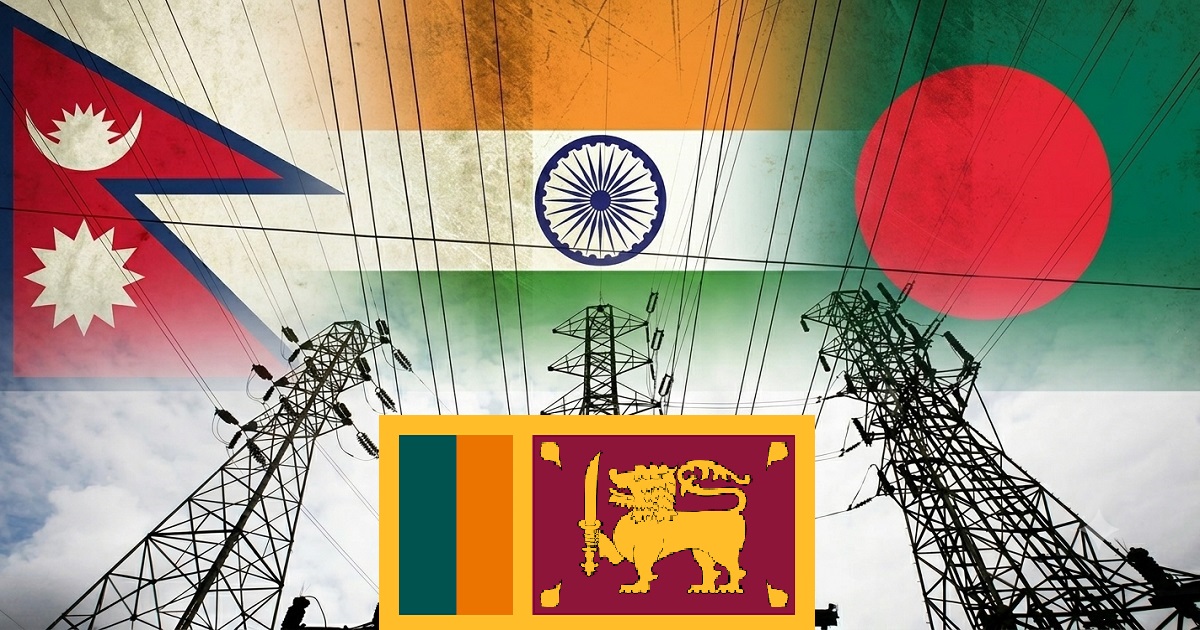
Kathmandu: South Asian countries held extensive discussions on the possibility of exporting hydropower generated in Nepal to Sri Lanka through a proposed submarine transmission cable between India and Sri Lanka.
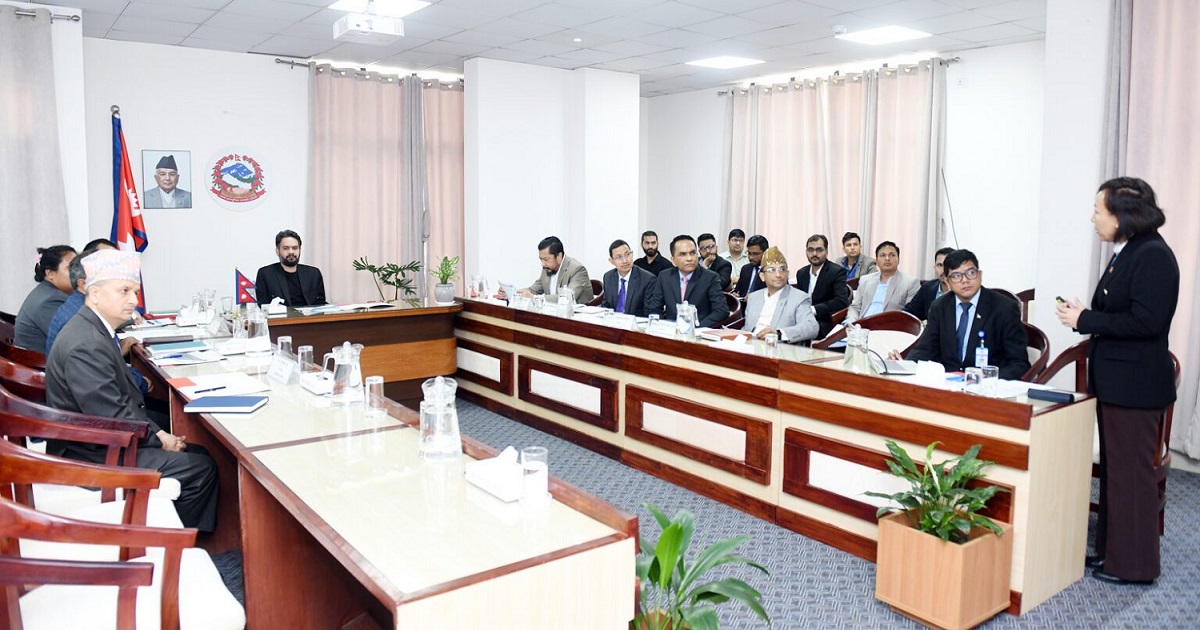
The issue was discussed at the 19th Power Secretaries’ Roundtable (PSRT19), held at Hotel Trident Nariman Point in Mumbai, India, where participants explored the potential and strategic roadmap for connecting Nepal’s electricity to Sri Lanka through the regional power grid. The discussions underscored the importance of regional power connectivity, coordinated energy planning, and stronger cross-border cooperation to improve energy security and facilitate electricity trade across South Asia.

The two-day high-level meeting, organized by the World Bank on October 9 and 10, brought together energy secretaries and energy-sector experts from South Asian countries. Participants emphasized the need to deepen regional energy cooperation and expand cross-border electricity trade.
Dr. Jagadishwar Karmacharya, Secretary at the Ministry of Energy, Water Resources and Irrigation (MoEWRI) , and Joint Secretary Sunil Paudel led delegation represented the meeting from Nepal. Executive Director of Nepal Electricity Authority (NEA) Dirghayu Kumar Shrestha and Director Tharka Bahadur Thapa also participated in the meeting.
During a thematic session on regional integration and grid interconnection, MoEWRI Joint Secretary Paudel highlighted the possibility of transmitting Nepal’s electricity to Sri Lanka through India.
“We have successfully completed the grid code harmonization process between Nepal and India. Now, an ambitious plan is being pursued to establish an undersea link, or submarine cable, between India and Sri Lanka, and preparations are underway for grid code harmonization between the two countries as well. Once India and Sri Lanka are interconnected, it will open the door for Nepal’s surplus electricity to reach Sri Lanka through India’s power grid,” Paudel said.
The meeting also emphasized the need for deeper regional integration in South Asia, drawing lessons from regional cooperation initiatives in ASEAN countries. Participants concluded that expanding cross-border electricity trade would strengthen regional energy security and significantly improve the reliability of power systems.
Established in 2014, the Power Secretaries’ Roundtable (PSRT) aims to strengthen national ownership and public interest in regional connectivity and electricity trade across South Asia. The platform is an important component of regional integration, supporting mutual cooperation in the energy sector and the development of a regional electricity market.
One of its key features is providing energy secretaries from different countries with an opportunity to engage in bilateral and multilateral dialogue in a non-political setting.
Through this platform, the World Bank facilitates regional cooperation, provides techno-economic advisory support, and helps address challenges associated with the development of regional electricity markets. All sessions were conducted under the Chatham House Rule, and the meeting was not open to direct participation by the press or civil society organizations.
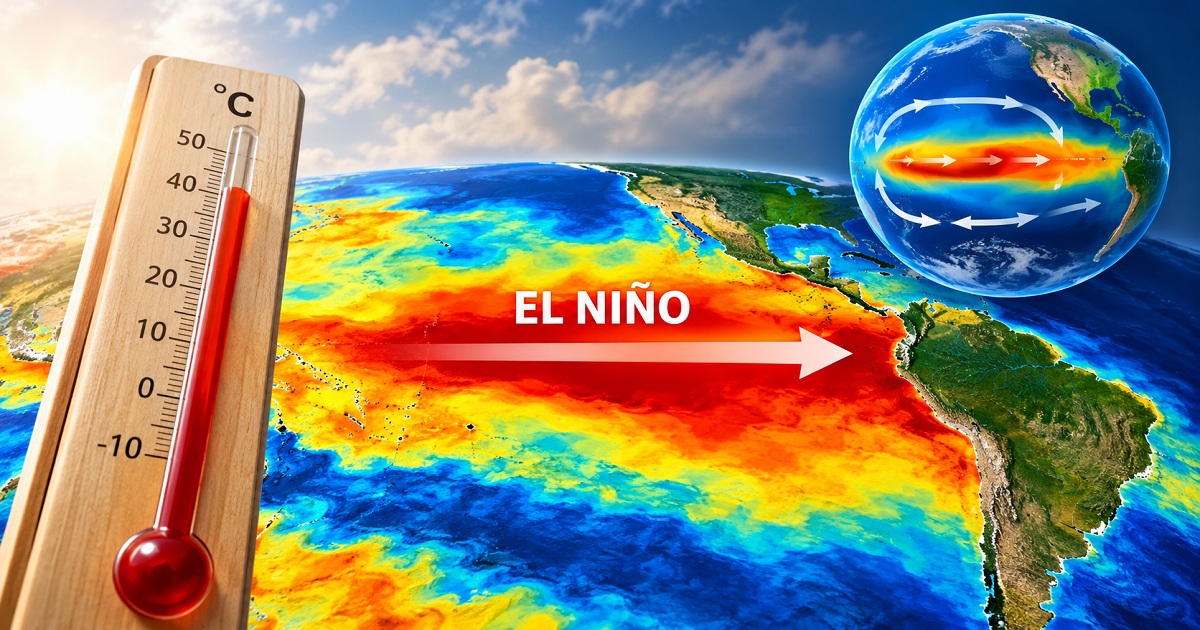
The meeting also reviewed the energy challenges Nepal and India are likely to face during the winter season. Hydropower generation in India is projected to decline by as much as 37 percent due to weather-related factors and the potential effects of a Super El Niño.
In Nepal, discussions focused on managing peak-load demand during winter and addressing the gap between electricity demand and available generation.
Several major hydropower projects in Nepal were affected by last year’s floods and landslides, including damage to infrastructure in the Bhotekoshi switching system. Nevertheless, preparations are underway to connect the Liping Khola project and other private-sector projects, including those associated with Mohan Bikram Karki, to the national grid by mid-November to help manage an estimated electricity deficit of around 70–75 MW in the Kathmandu Valley during winter.
Peak-hour electricity demand will also be managed through a combination of the three-hour peaking capacity of the Tamakoshi hydropower project, the Kulekhani reservoir, and electricity imports from India.
On the transmission front, the existing electricity transmission capacity between Nepal and India has reached 1,650 MW. Several new cross-border transmission lines, including Chameliya–Jauljibi, Inaruwa–Purnia, and Dododhara–Bareilly, are at advanced stages of development. These projects are expected to facilitate greater electricity exchange between the two countries in the future.
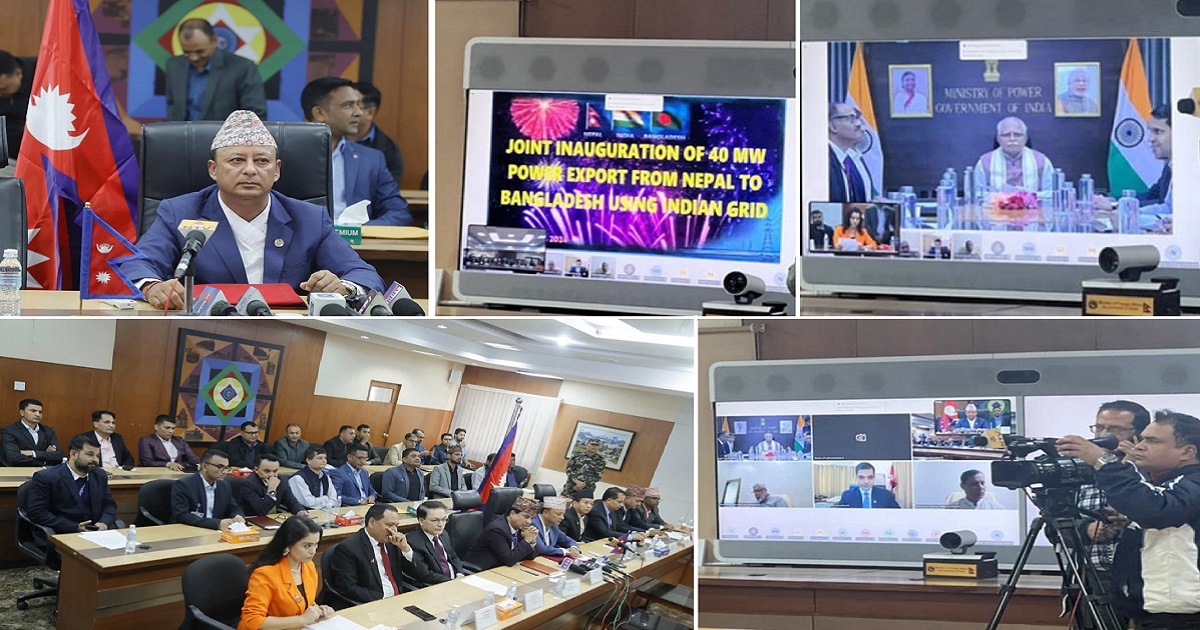
The meeting discussed the existing 500 MW trilateral electricity trade arrangement involving Nepal, India, and Bangladesh, as well as the possibility of developing other sub-regional projects based on models such as the Upper Karnali hydropower project.
Bangladesh has expressed interest in a potential arrangement under which it could supply solar electricity to Nepal during the winter and purchase Nepal’s hydropower during the monsoon season.
The meeting also addressed regional cooperation to tackle climate-related disasters, including glacial lake outburst floods, floods, and landslides. Nepal highlighted the proposal presented by the country’s Prime Minister at the United Nations General Assembly (UNGA) to establish a trilateral mechanism involving Nepal, China, and India, along with a regional early warning system.
The proposed mechanisms are intended to strengthen regional cooperation in disaster preparedness, information sharing, and early warning, particularly in vulnerable Himalayan river basins.
The PSRT19 meeting in Mumbai covered six major thematic sessions:
Conversation


More News




- Nepal's First Energy Based News Portal
-
Energy Information Center Pvt. Ltd.
Hemant Marg-11, Babar Mahal, Kathmandu
- Info. Dept. Reg. No. : 254/073/74
- Telephone : +977-1-5321303
- Email : [email protected]