Energy Update


LPG Bottling Companies to Be Merged, NOC Seeks Action Plan
-
 Urja Khabar
- 2 November, 2026
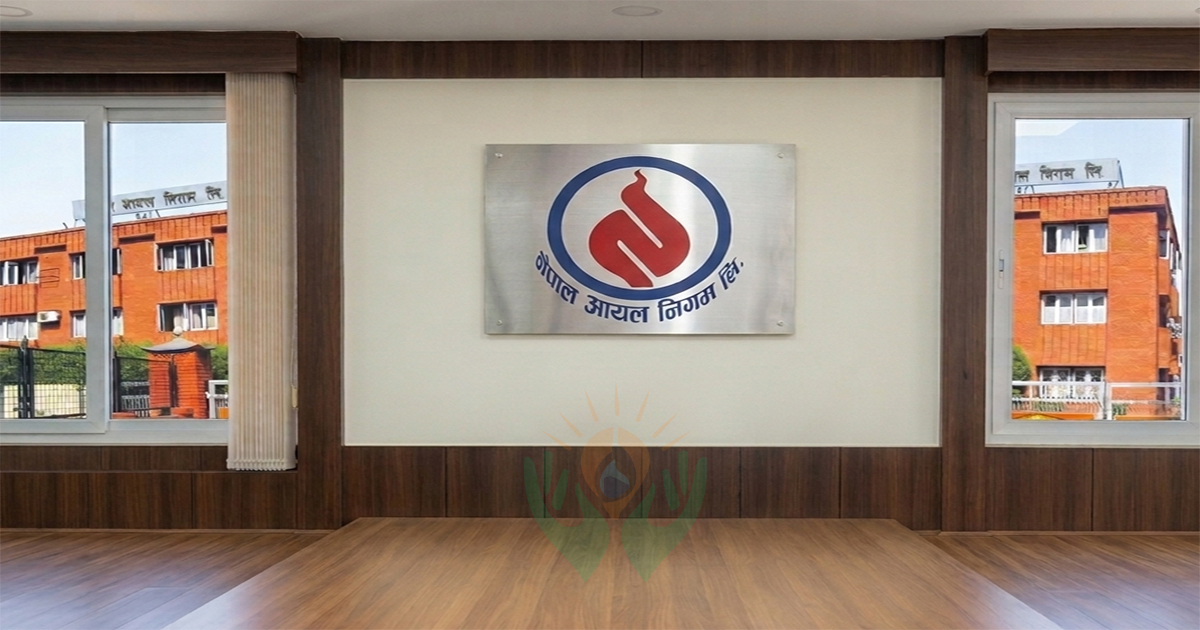
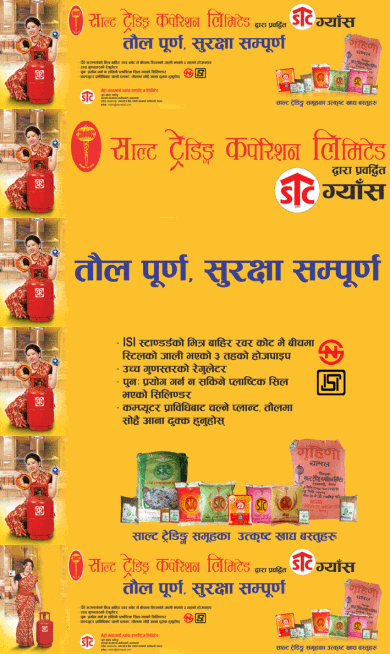
Kathmandu: The government has initiated the process of merging liquefied petroleum gas (LPG) bottling companies, with Nepal Oil Corporation (NOC) asking the companies concerned to prepare an action plan for the proposed merger.
As part of implementing its policies and programmes for fiscal year 2026/27, NOC has stepped up efforts to consolidate LPG bottling plants. According to an NOC official, the corporation sent letters to LPG bottlers on Thursday, asking them to take the necessary steps toward the merger.

The move comes amid growing complaints from consumers who are unable to purchase LPG from companies other than the brand printed on the cylinder they own. NOC expects the merger of bottling companies to help address this problem and make LPG distribution more efficient.
The government is also preparing to classify LPG use based on cylinder capacity to make gas consumption and subsidy management more systematic. A task force formed by the Ministry of Industry, Commerce and Supplies has recommended different cylinder sizes for household, commercial and industrial consumers.
The task force, coordinated by Joint Secretary Jitendra Basnet, has recommended that 14.2 kg cylinders be used exclusively for household purposes. It has proposed 19.2 kg cylinders for small hotels and restaurants, 50 kg cylinders for medium-sized hotels, and 450 kg cylinders for five-star hotels and industries. The task force submitted its report to Ministry Secretary Rudra Singh Tamang.
The government currently provides a subsidy of Rs 495 on each 14.2 kg LPG cylinder. According to NOC, LPG subsidies have been placing an annual financial burden of around Rs 10 billion on the corporation.
NOC data show that around 65 percent of total LPG consumption is for household purposes, while the remaining 35 percent is consumed by commercial and industrial users. The government expects that reducing subsidies for commercial and industrial consumption will help lower NOC’s financial burden.
The proposed merger of bottling companies, along with the classification of LPG cylinders according to their use, is expected to pave the way for a more systematic distribution and subsidy mechanism in the LPG sector.
Conversation

- Nepal's First Energy Based News Portal
-
Energy Information Center Pvt. Ltd.
Hemant Marg-11, Babar Mahal, Kathmandu
- Info. Dept. Reg. No. : 254/073/74
- Telephone : +977-1-5321303
- Email : [email protected]