Energy Update


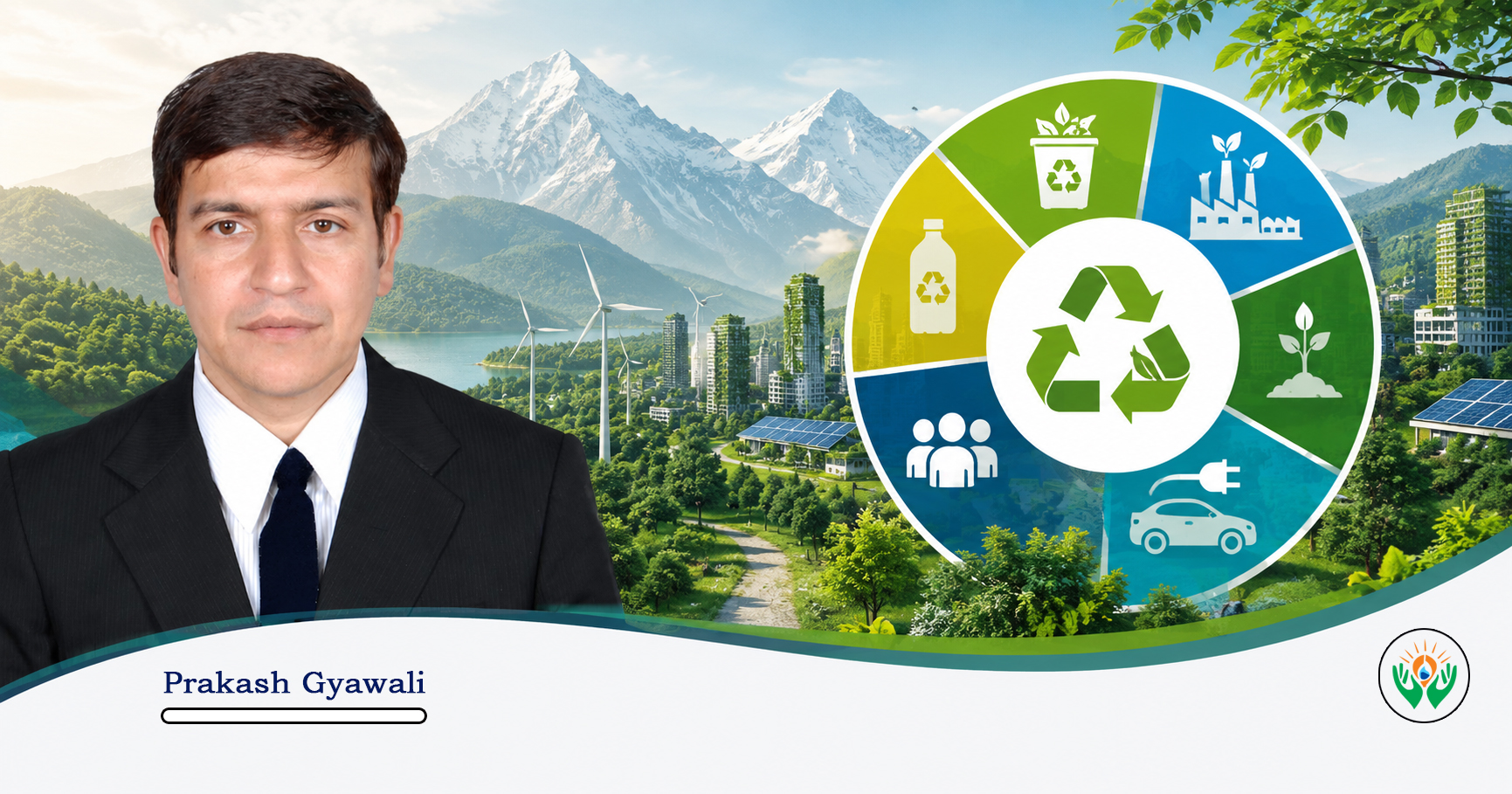
From Zero Waste to Zero Emissions: A Pathway for Nepal's Climate-Resilient Future

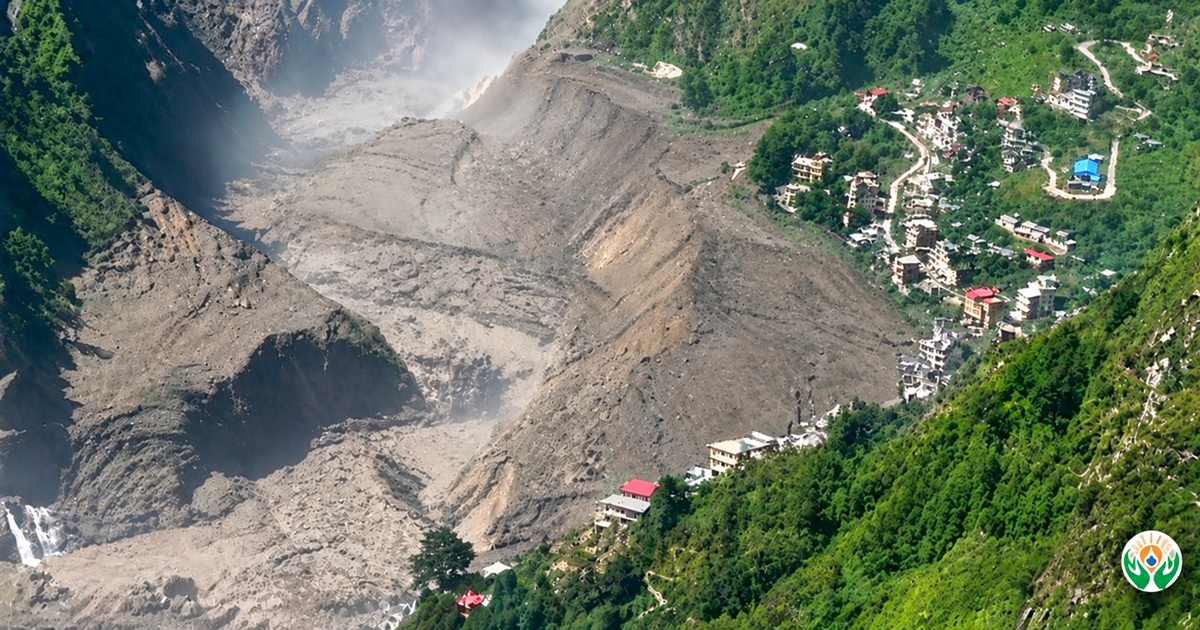
Nepal is on the forefront of climate change. What was once forecasted is now a reality: glaciers are shrinking in the Himalayas, floods and landslides are becoming more frequent, droughts are becoming more common, heat stress in urban areas is increasingly common and rainfall patterns are becoming unpredictable. Waste management is a typically ignored sector in the context of climate change in Nepal, alongside hydropower, forests and clean energy. Every day, Nepal's municipalities generate thousands of tons of solid waste. A large proportion of it is dumped in unmanaged landfill sites, rivers and drainage networks. The increasing waste pile up isn't only an environmental problem, it's a climate problem too. The transition to "Zero Waste to Zero Emissions" is one strategy that addresses the issue of GHG emissions while also having a positive impact on public health, job creation and climate resilience in Nepal.
Nepal Waste and Climate Facts

The Municipal Solid Waste Management (MSWM) problem is escalating in Nepal due to increasing urbanization, population growth, and changing consumption habits. The Asian Development Bank (ADB) estimates that Nepal produces about 1,435 tons of municipal solid waste (MSW) daily or almost 524,000 tons per year at an average of 317 grams per person per day. Waste generation rates are significantly higher in urban areas, which are linked to higher levels of economic activity and consumption (ADB, 2013). In Kathmandu Metropolitan City alone, more than 523 tons of waste is generated daily, of which around 71% are organic and biodegradable wastes (Dangi et al. 2011).
The waste composition pattern is also similar across other municipalities in Nepal, with 60-70% of the total municipal waste stream being biodegradable organic wastes, suggesting high potential for composting and resource recovery programs (Dangi et al., 2011). Apart from organic waste, about 20% of the municipal solid waste stream in Nepal can be recycled and includes plastic, paper, metals and glass – which are valuable resources but are underutilized because of lack of adequate waste segregation and recycling systems (Pokhrel & Vira Raghavan, 2005). Although the amount of waste generation is still rising, only around 33.7% of the waste is collected by Nepalese municipalities (Maharjan et al., 2020), with significant quantities of waste still being dumped in unsecured landfill sites, incinerated or disposed of in rivers and open spaces. This reflects the need to enhance the waste collection, segregation and recycling system in the country in a hurry.
Waste and Climate Change: An overlooked connection
The extraction, production, transportation, consumption and disposal of materials contribute to about 70% of global GHG emissions (Circle Economy, 2024). This implies that carbon footprint of the products buy, use and throw out extends through their whole life cycles. The greatest contribution to climate change from the waste sector is methane emissions from landfills. Methane (CH₄) has about 82.5 times the global warming potential of carbon dioxide (CO₂) over 20 years (IPCC, 2021). Methane is a potent greenhouse gas that is emitted in significant amounts from landfills during the decomposition of organic waste in an anaerobic environment, contributing to global warming. According to research, a complete zero-waste approach, which encompasses waste reduction, recycling, composting, and reuse systems, can help lower the GHG emissions of the waste sector by up to 84 % (GAIA, 2022). This is a huge opportunity for Nepal. Municipal assessments and national waste studies estimate organic waste accounts for about 60-70% of municipal solid waste, and that composting and resource recovery are very effective climate mitigation strategies.
The Growing Waste Challenge for Nepal.
Increased waste generation throughout Nepal is largely due to urbanization, changing consumption patterns and population growth. The municipality of Kathmandu Valley generates hundreds of tons of waste every day, and many secondary cities are also struggling with waste management due to limited infrastructure and funds.
The following are some of the problems most municipalities face:
- Low source separation of waste.
- Inadequate collection systems.
- Limited recycling facilities.
- Relying on landfills to dispose of waste.
- Open burning of waste.
- Poor compliance with waste legislation.
This impact goes beyond just piles of waste
Inappropriate waste disposal emits methane and black carbon into the air, thus directly driving climate change. Plastic pollution often causes clogs in drainage systems, exacerbating urban flooding during monsoons. Open dumping invites disease vectors like mosquitoes, rodents and flies which pose a public health risk. Plastic pollution and leachate pollute the rivers, endangering downstream communities and aquatic ecosystems. In addition, the municipalities have significant economic expenses related to waste disposal in landfills, emergency waste transportation, environmental cleanup, and health expenditures associated with pollution-related diseases.
"Zero Waste to Zero Emissions" approach
One Zero Waste to Zero Emissions principle is that waste is not a waste disposal issue, it is a resource management opportunity. In a zero-waste system, the main priority is to: Prevent, Redesign, Reuse and repair, Recycle, Compost, Resource recovery. Circular resource flows keep materials in the economy for as long as possible, instead of being dumped in landfills or incinerated. This method has direct impacts on climate mitigation and climate adaptation.
Climate Mitigation
Zero-waste systems help to decrease GHG emissions:
- Stopping methane emissions from landfills.
- Minimizing virgin material extraction needs.
- Reducing the energy used by industry.
- Decreasing transportation emissions.
- Minimizing waste incineration.
Climate Adaptation
Waste management also contributes to building climate resilience in the following way:
- Minimizing the risk of flooding by keeping drainage clean.
- Improving soil quality by adding composts.
- Improving water holding capacity of farmland.
- Minimizing health vulnerabilities due to pollution.
- Creating more resilient urban environments.
Circular Economy and Green Jobs
The move towards circular economy generates jobs in:
- Recycling industries.
- Composting facilities.
- Enterprises that deal in repairs and refurbishments.
- Resource recovery businesses.
- Green entrepreneurship.
Zero waste programs can create jobs in a country with a young work force and help to maintain environmental sustainability.
Why Zero Waste means a Climate Solution in Nepal
Nepal's climate vulnerability requires climate change solutions that can tackle mitigation, adaptation and sustainable development. Zero waste is just such a solution. With many climate interventions needing substantial technological investments, waste reduction and resource recovery is something that can be done now and with community participation, if the local governments are willing to. Organic waste can be composted to reduce methane emissions and enhance agricultural productivity. The resources and energy saved in recycling. Minimization of environment pollution and flood risk is achieved in plastic reduction. Resource recovery contributes towards the economic development of the local area. Most importantly, zero-waste systems offer tangible climate benefit and enhance citizens' everyday lives. In Nepal, where climate finance is still scarce, zero-waste strategies are among the most cost-effective climate actions to implement.
Nepal's Policy Framework: Strong Foundations, Weak Implementation
Nepal has a policy base to support sustainable waste management in place.
- The Constitution of Nepal (2015) has taken into account the right to live in a clean and wholesome environment.
- The Solid Waste Management Act 2011 establishes a legal framework for waste management and instills waste minimization, re-use and re-use.
- Environmental protection and pollution control measures are required by the Environment Protection Act, 2019 and the relevant Regulations.
- The Local Government Operation Act, 2017 allocates waste management tasks to local governments.
- Nepal's Nationally Determined Contributions (NDCs) highlight climate-resilient development and GHG reduction efforts.
- The Climate Change Policy encourages low carbon development trajectories and adaptation strategies to climate change
Implementation is still the key challenge, however. The situation is hampered by limited institutional capacity, lack of funding, weak monitoring systems, and low public awareness.
Recommendations to transform waste into climate opportunity.
A. Public Level
The first line of action is the citizens.
- Separate waste at source, into organic, recyclable and residual waste streams.
- Implement home waste reduction.
- Minimize use of single-use plastics.
- Join community clean-up and recycling programs.
- Encourage businesses to be environmentally friendly.
B. Local Government Level
Municipalities need to move from a collection-based to a resource management system.
- Establish door-to-door separated collection of waste door-to-door.
- Set up Material Recovery Facilities (MRFs).
- Establish municipal composting facilities.
- Promote waste-to-resource enterprises.
- Increase public awareness and monitoring.
C. Managing the National Policy Level
The Federal Government should offer more policy support.
- Implementing Extended Producer Responsibility (EPR) systems.
- Create country-level circular economy roadmap.
- Apply green public procurement policies.
- Set national methane emissions reduction goals.
- Increase the incentives for recycling and composting sectors to increase participation.
D. International and Climate Finance Level D.
- Waste management is a sector that should be considered for a priority climate investment.
- Make use of Article 6 opportunities of the Paris Agreement. Access financing from the Green Climate Fund (GCF).
- Create outcome-based climate finance approaches. Encourage public/private partnerships for waste infrastructure.
- Promote projects involving carbon reduction (methane) and composting.
A National Opportunity, Hidden in Plain Sight
Waste has been considered a problem for local authorities for years. However, under the conditions of climate change, waste must be seen as a part of the grand picture on climate change. Adopt resilience and from landfill dependence to a circular economy is a great opportunity to Nepal to simultaneously combat pollution, generate employment, build resilience, and enhance public health. It is in line with national climate commitments, sustainable development goals and local government priorities. So, the issue now for Nepal is not whether it is possible to implement a zero-waste system or not, but whether granting it financial support is economically feasible. But the question is can Nepal afford not to?
Conclusion
Renewable energy and forest conservation are not enough to build climate resilience in Nepal. It involves a new approach to production, consumption and management of resources. The transition from "Zero Waste to Zero Emissions" is an achievable, sustainable and transformative strategy for a low carbon future. The transition starts with household segregation, investments in resource recovery from waste by the municipalities, policy changes for circular economy, and development partners backing climate-smart waste solutions. Waste is not only a problem for environment, but also a climate opportunity that needs to be grabbed. What we throw away may well be the key to Nepal's climate resilient future.
Mr. Gyawali is the PhD Scholar of King Mongkut’s Institute of Technology, Ladkrabang, Thailand and CEO, Headway Earth
References
Asian Development Bank (ADB). (2013). Status and policy recommendations of solid waste management in Nepal. Asian Development Bank. Manila, Philippines.
Circle Economy. (2024). Circularity Gap Report 2024. Amsterdam, Netherlands.
Global Alliance for Incinerator Alternatives (GAIA). (2022).
Zero Waste to Zero Emissions: How Reducing Waste is a Climate Gamechanger. Berkeley, CA. The Intergovernmental Panel on Climate Change (IPCC). (2021). The physical science basis of Climate Change 2021, Cambridge University Press.
Government of Nepal. (2011), Solid Waste Management Act 2011. Kathmandu: Ministry of Law, Justice and Parliamentary Affairs.
Government of Nepal. (2015), Constitution of Nepal. Kathmandu, Nepal.
Government of Nepal. (2019), *Environment Protection Act, 2019*. Kathmandu, Nepal.
Government of Nepal. (2021). Second National Determined Contribution (NDC) 2020-2030. Forests and Environment Ministry.
Government of Nepal. (2019). Climate Change Policy 2019, MoFE is the Ministry of Forests and Environment.
Conversation

More News





- Nepal's First Energy Based News Portal
-
Energy Information Center Pvt. Ltd.
Hemant Marg-11, Babar Mahal, Kathmandu
- Info. Dept. Reg. No. : 254/073/74
- Telephone : +977-1-5321303
- Email : [email protected]