Energy Update


SpaceX Gets Approval to Deploy 1 Million Satellites for AI Data Centers in Space
-
 Urja Khabar
- 29 November, 2026
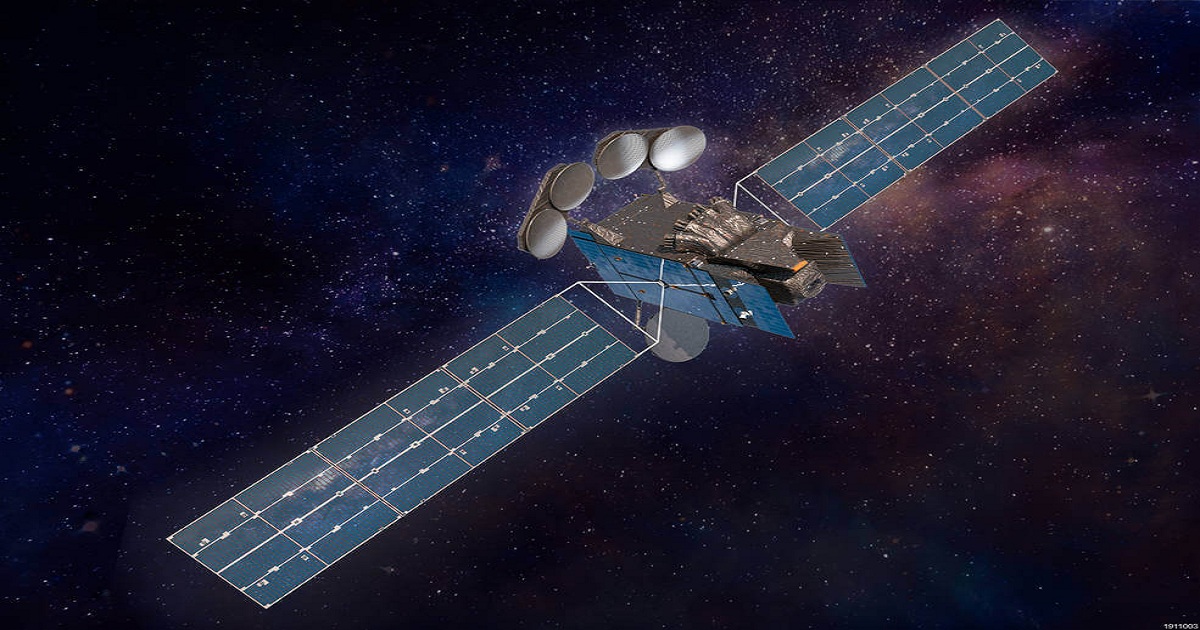
Kathmandu: The US Federal Communications Commission (FCC) has authorized Elon Musk’s SpaceX to deploy up to 1 million satellites in orbit to establish space-based data centers aimed at supporting the rapidly growing computing demands of artificial intelligence (AI).
According to international media outlet CNN, the approval comes as the United States intensifies its efforts to maintain global leadership in AI technology, which is expected to drive innovation and economic growth.

The proposed ‘Starmind’ satellite constellation will consist of 1 million orbital computing modules. According to the FCC, these satellites will process massive amounts of data in space and make it available for use on Earth. The initiative is expected to help meet the rapidly increasing demand for AI computing capacity worldwide.
AI data centers require enormous amounts of electricity. Musk has been promoting the concept of orbital data centers that can harness solar energy directly from space. He argues that access to near-constant solar power, combined with lower operational and maintenance costs, could significantly improve energy efficiency and reduce the environmental impact of conventional data centers on Earth.
Musk welcomed the FCC's decision in a post on his social media platform X, describing it as a major asset for the United States and the world.
However, the proposed satellite network has also raised concerns about its potential environmental and technical impacts. The FCC noted that the satellites could appear as extremely bright objects in the night sky for extended periods, while also generating radio emissions and waste heat.
Under the authorization, SpaceX must deploy at least one authorized space station by November 2033. The company is required to deploy 10 percent of the approved constellation, equivalent to 100,000 satellites, by November 2035 and 50 percent, or 500,000 satellites, by November 2038.
Conversation


More News









- Nepal's First Energy Based News Portal
-
Energy Information Center Pvt. Ltd.
Hemant Marg-11, Babar Mahal, Kathmandu
- Info. Dept. Reg. No. : 254/073/74
- Telephone : +977-1-5321303
- Email : [email protected]