Energy Update



Missed Opportunities in Balanced Development: The Case of Nepal’s Water Resources
-
 Urja Khabar
- 26 November, 2025
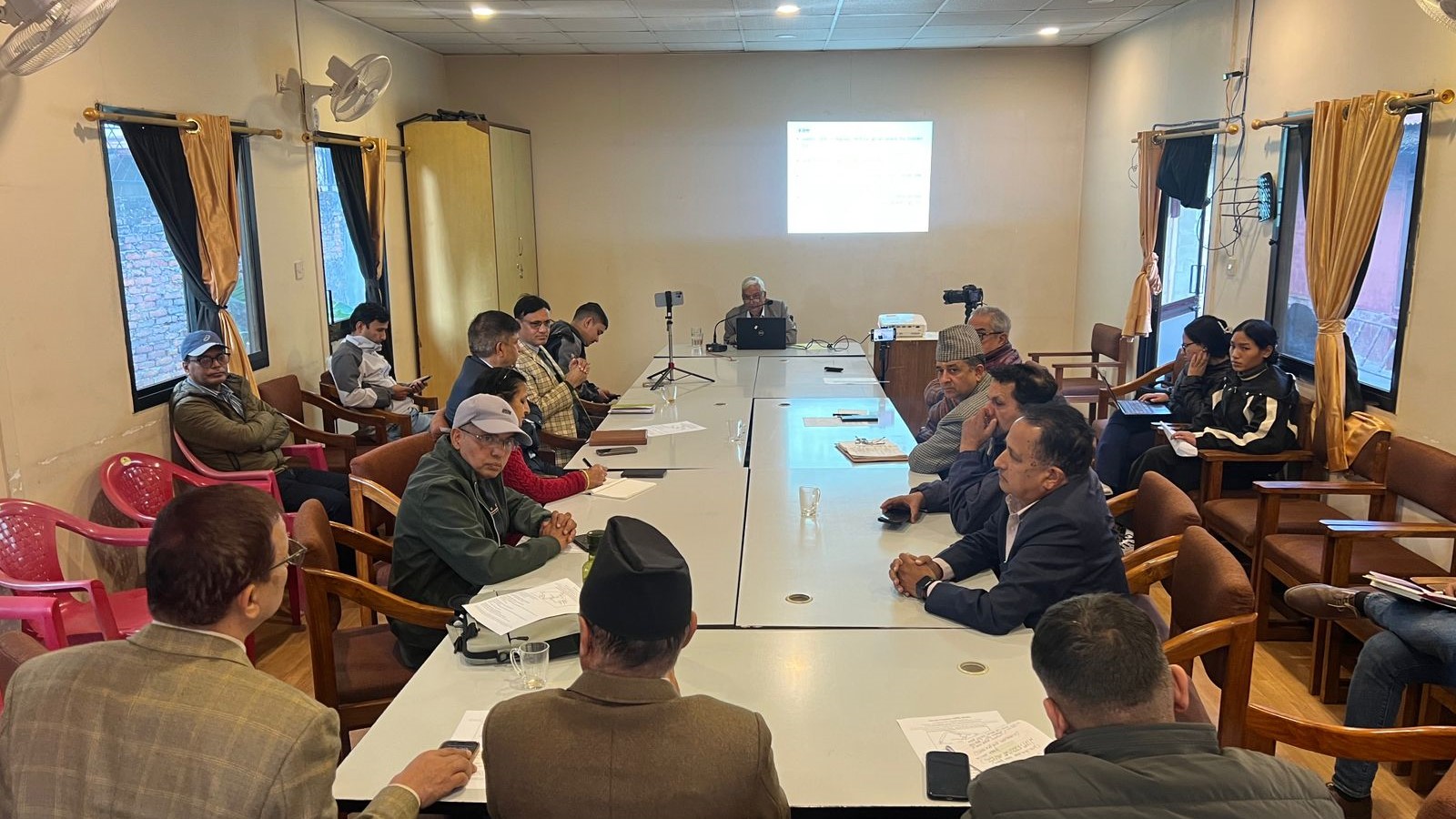
Kathmandu. Martin Chautari and Urja Khabar jointly organized an energy policy discussion titled “Missed Opportunities in Balanced Development: The Water Resource Sector,” held at Martin Chautari, Kathmandu, on November 25 2025, featuring a presentation by Bhanu Prasad Acharya, a former Auditor General, which scholars, researchers, and teachers from diverse backgrounds attended.
The discussion centered on Nepal’s vast yet underutilised hydrological potential and the structural gaps that have prevented water resources from being fully integrated into the country’s development framework. Acharya explained that despite Nepal being one of the world’s richest nations in terms of water availability per capita, the government has repeatedly failed to capitalize on this natural advantage to achieve sustainable energy generation, irrigation development, and economic growth.

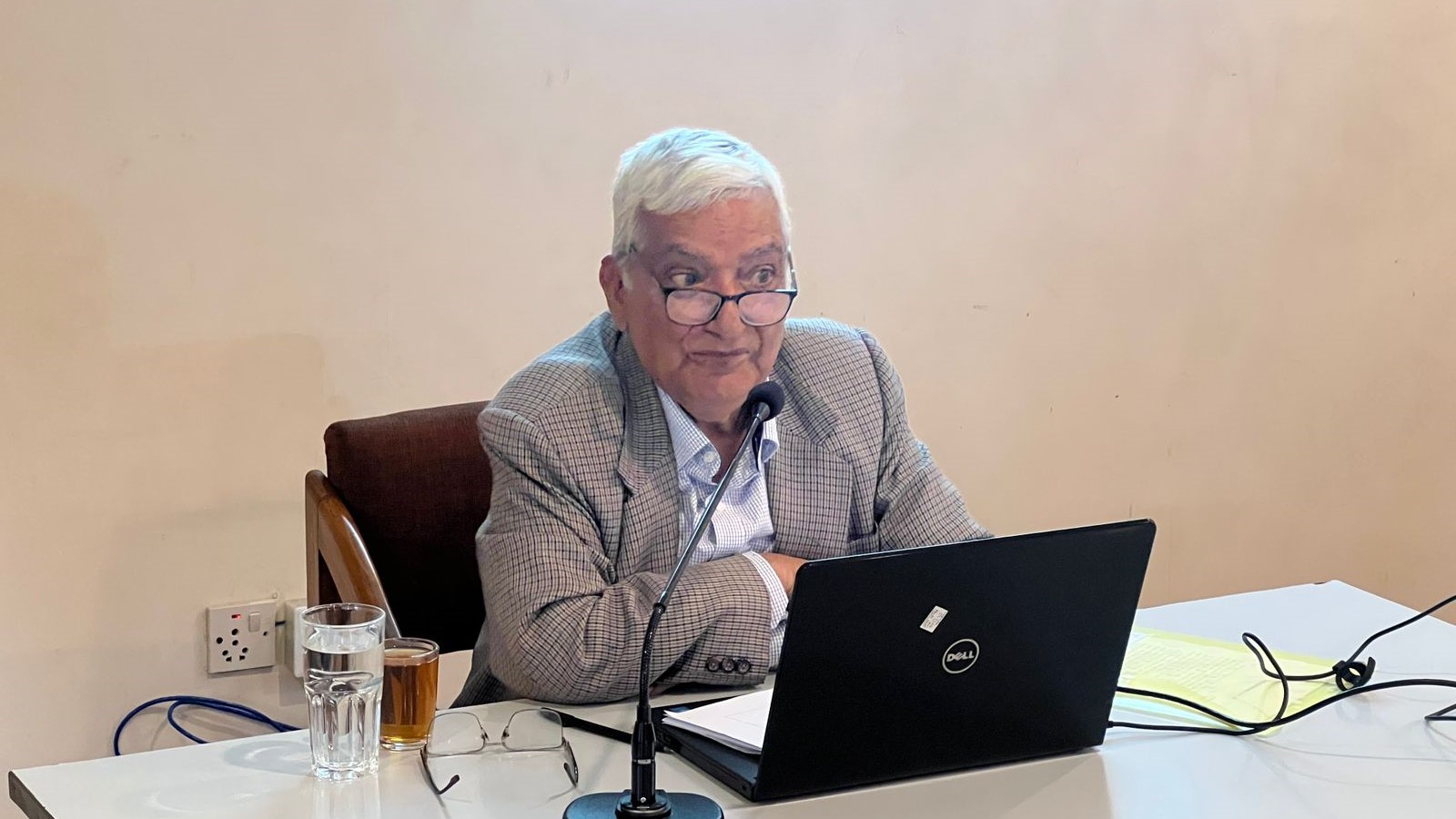
Acharya pointed out several critical issues, including weak policy implementation, fragmented institutional responsibilities, and a mismatch between planning and investment priorities. He emphasized that the lack of long-term strategic vision has contributed to delays in hydropower projects, inadequate irrigation expansion, and lost opportunities for regional water cooperation.
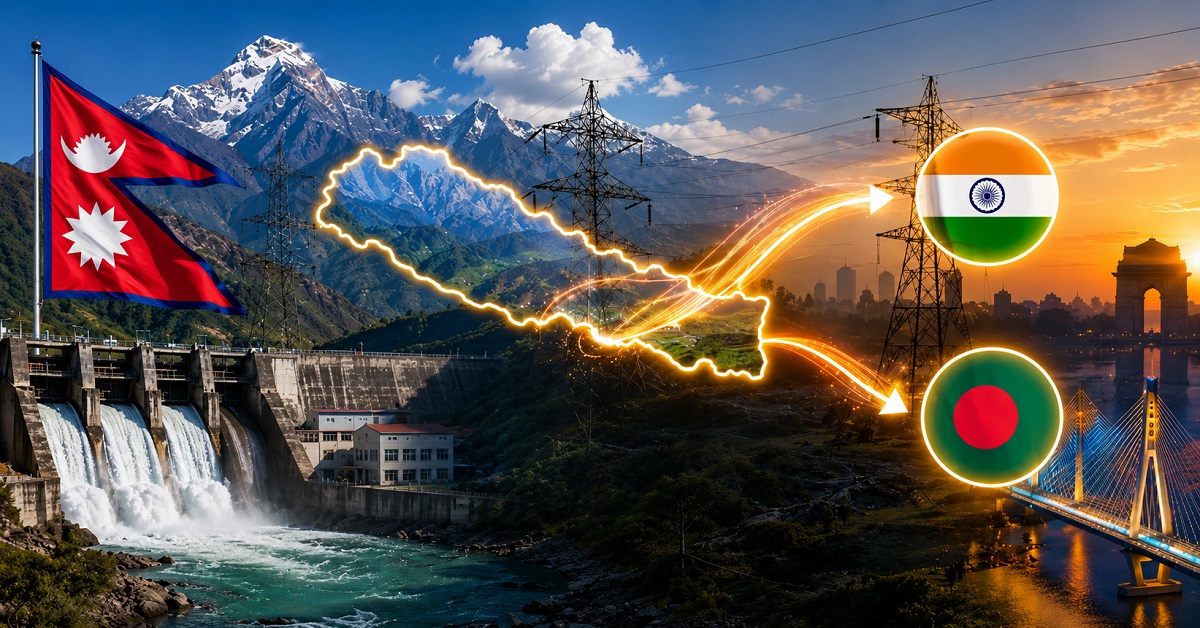
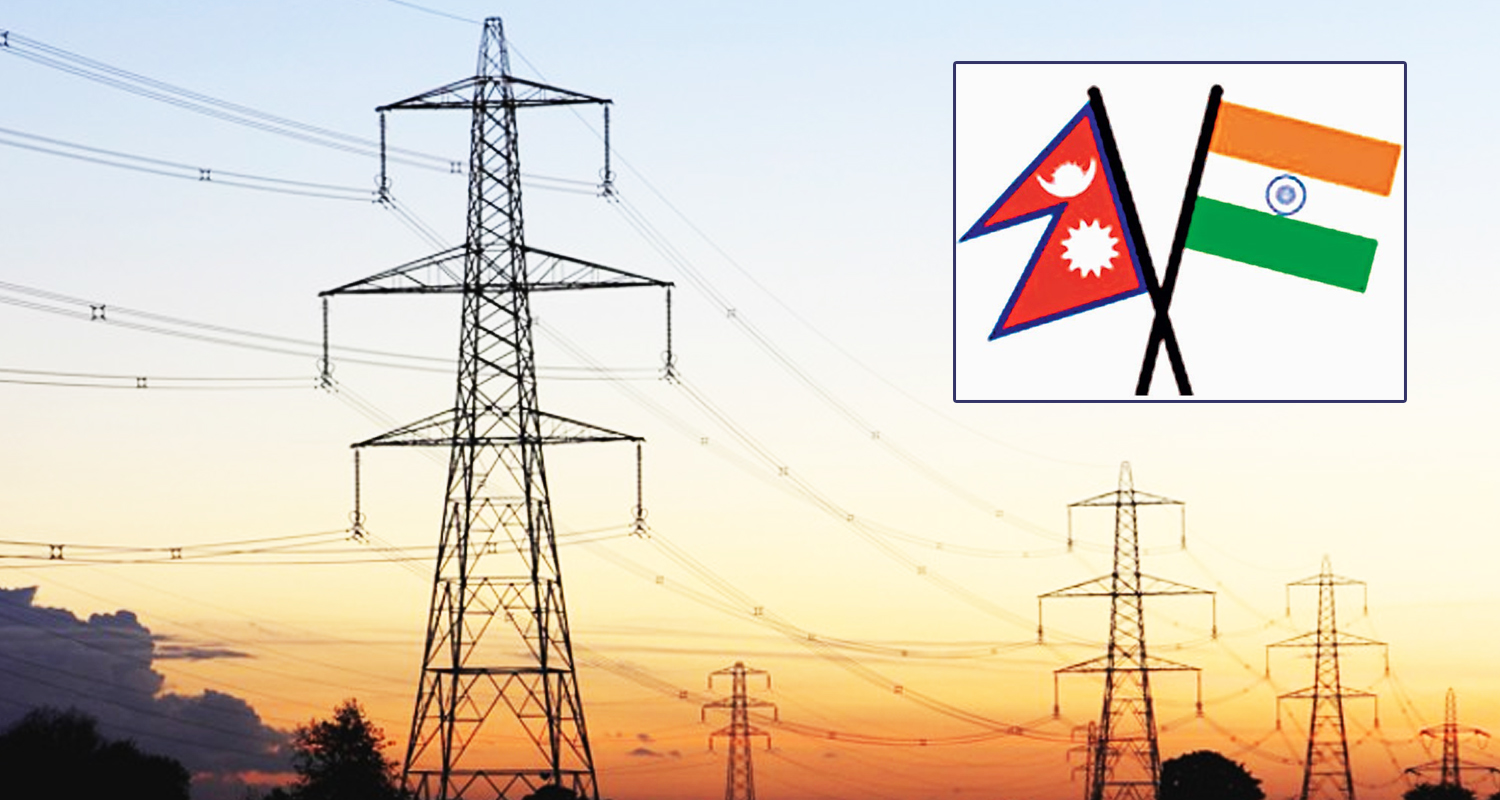
Acharya said, “Nepal has missed significant energy opportunities.” He noted that the 2022 Nepal–India Joint Vision Statement calls for joint hydropower development and smoother electricity exports, while the 2023 power trade agreement commits India to purchasing power from projects, including the 456 MW Upper Tamakoshi Hydropower Project.
According to Acharya, industrial growth remains limited, with only 75% of power demand met in about 45 % of areas. He added that frequent outages, up to three times a week, have pushed nearly 40 % of industries to seek tax exemptions.
Further explaining, Acharya also stated that Nepal aims to expand electricity generation by over eight times to 28,500 MW, but continues to face delays due to investment, regulation, and management challenges. Although 10,000 MW production and 5,000 MW export have been targeted, only NRs. 270 million has been invested since 2012.
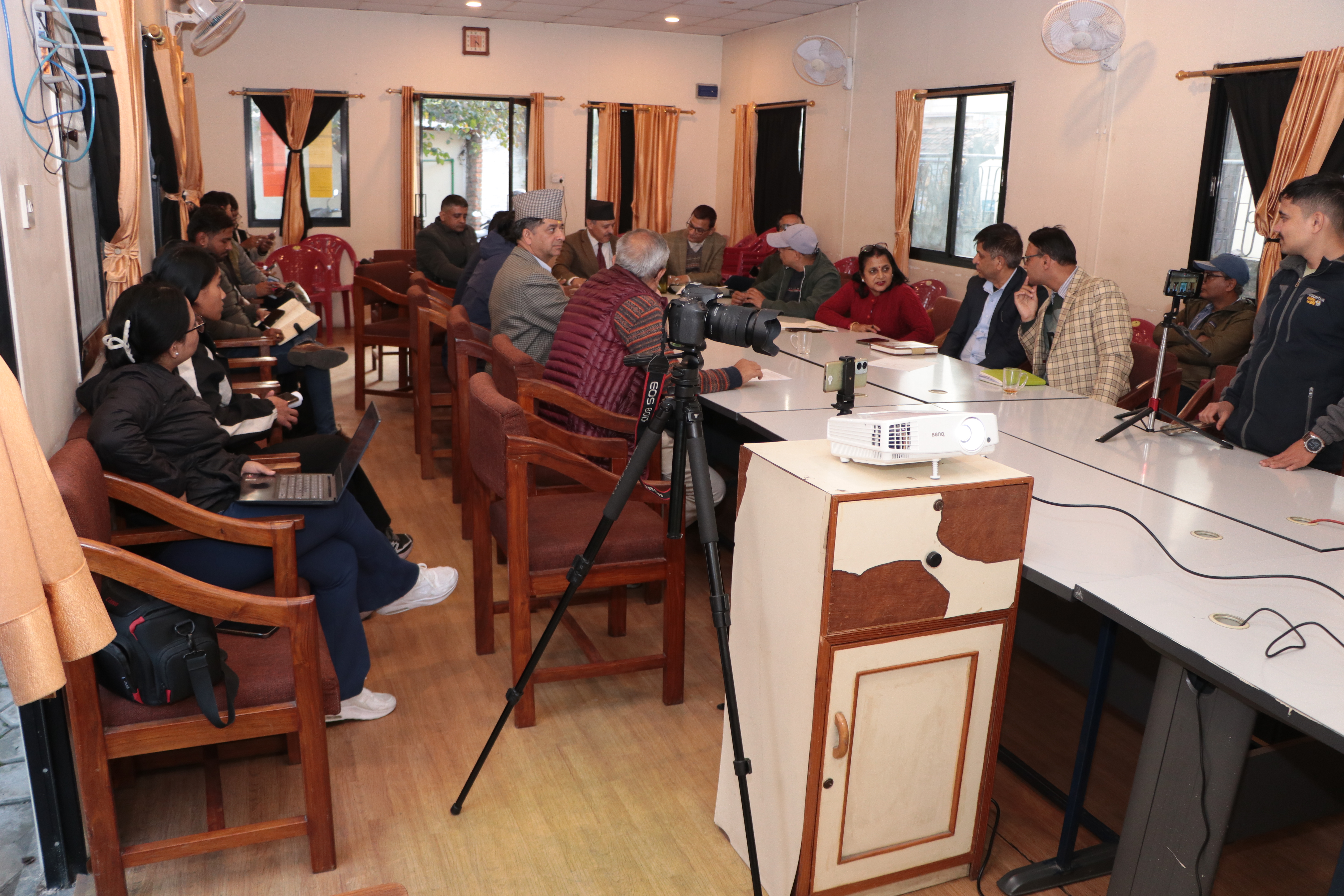
The participants engaged in dialogue on how upcoming policies and institutional reforms could pave the way for more efficient water resource management. The session also discussed how balanced development requires recognizing water as more than a sectoral resource, seeing it instead as a foundation for national prosperity. The event highlighted that if Nepal strengthens governance, improves inter-agency coordination, and prioritizes environmentally responsible infrastructure, the water resource sector could significantly increase economic development, energy security, and climate resilience.
The event concluded with a call for stronger political commitment and evidence-based planning to ensure that Nepal does not continue to miss out on the developmental benefits embedded within its natural water wealth.
Conversation


More News



- Nepal's First Energy Based News Portal
-
Energy Information Center Pvt. Ltd.
Hemant Marg-11, Babar Mahal, Kathmandu
- Info. Dept. Reg. No. : 254/073/74
- Telephone : +977-1-5321303
- Email : [email protected]