Energy Update



Monsoon Disasters Ravage Myagdi’s Hydropower Projects
-
 Urja Khabar
- 17 November, 2026
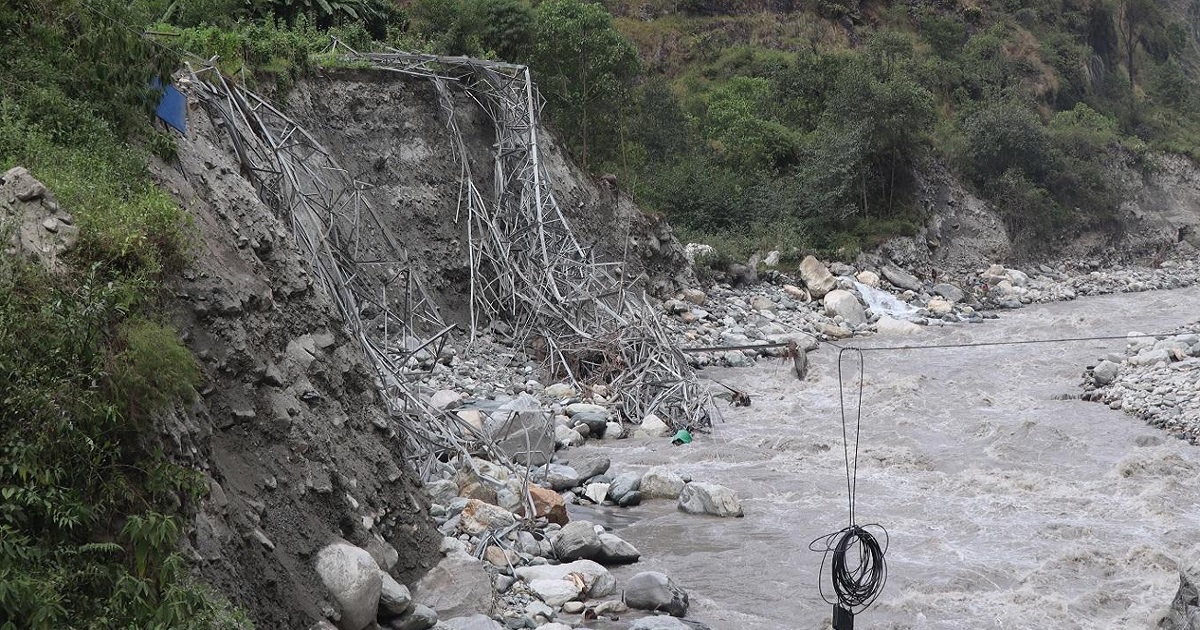
Kathmandu: Monsoon-induced disasters have impacted electricity generation, transmission, and construction activities at hydropower projects in Myagdi.
Floods and landslides in the Kaligandaki and Myagdi rivers along with their tributaries have damaged dams, powerhouses, tunnels, transmission lines, and access roads belonging to both operational projects and those currently under construction.

Due to these disasters, some projects have been completely shut down, while others have faced disruptions to their test-production phases and construction work. For projects under construction, the transportation of materials and equipment has been obstructed, slowing down the pace of work. This has not only extended the projected completion timelines but also increased the risk of rising construction costs.
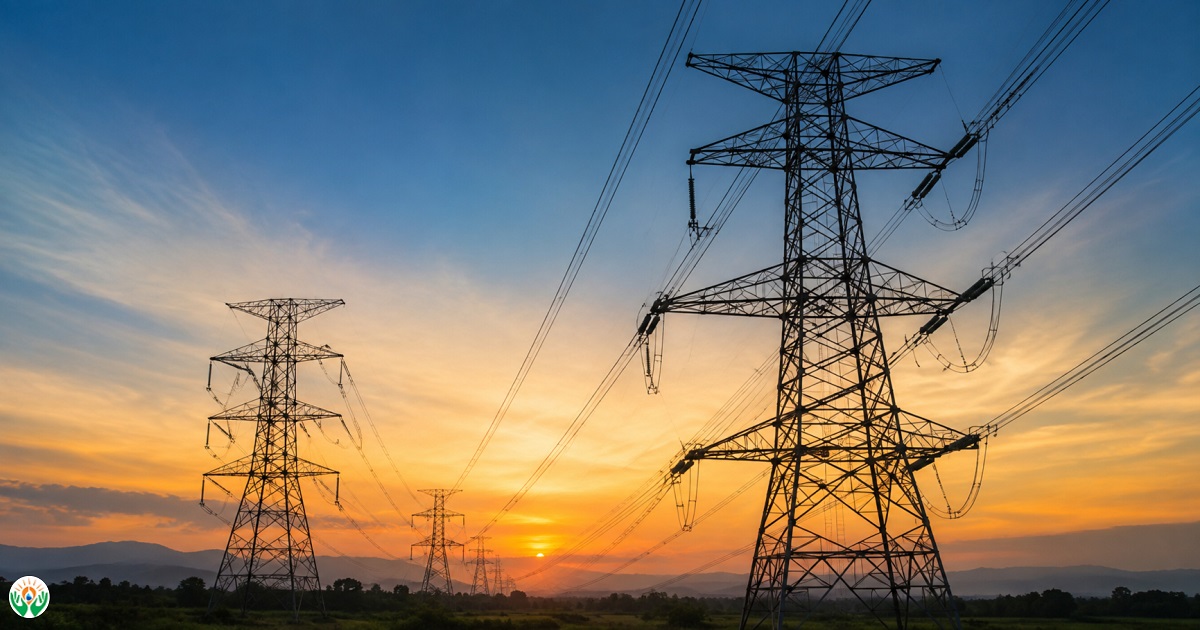
Erosion caused by the Kaligandaki River has swept away two towers in Doba (Annapurna Rural Municipality-1) and one tower in Ratopani, a part of the 220 kV Kaligandaki Corridor (Dana–Khurkot) transmission line. A tower in Dhirchyang has sustained partial damage, while another tower in the Tiplyang area is currently at risk.
The disruption of the transmission line made it difficult to feed electricity generated by hydropower projects in northern Myagdi areas into the national grid. According to Roshan Khadka, chief of the Nepal Electricity Authority (NEA) Grid Office in Pokhara, power supply was restored on October 17 by constructing a temporary tower at Bhirkate and stretching approximately two kilometers of transmission lines. The process for the permanent reconstruction of the damaged towers and transmission lines is now underway.
Electricity from the Ghlemdi Khola, Mristri Khola, Nilgiri-1, Nilgiri-2, and Relekhola projects located in Narchyang, Annapurna Rural Municipality-4 as well as the Thapa Khola Hydropower Project in Mustang, is being connected to the national grid via this transmission line.
Floods and landslides have forced two hydropower projects in Annapurna Rural Municipality to close. Homnath Pandey, a representative for the 6-megawatt Relekhola project, stated that the facility was shut down after a flood originating from the Relekharka area deposited debris at its dam. Meanwhile, the powerhouse of the 14-megawatt Gharkhola project was buried by a dry landslide in second week of July.
Subsequently, floods and landslides of October caused further damage to the dam. The burial of the powerhouse resulted in one fatality and one injury. Anil Tiwari, the administration chief of Myagdi Hydropower, noted that preparations for the project's reconstruction are underway, with initial estimates placing the damage at over one billion rupees.
Construction work on the 180-megawatt Kaligandaki Gorge project and the 66.3-megawatt Madhya Kaligandaki project—both located in the Kaligandaki basin—has been disrupted for the past one and a half months. Krishna Das Shrestha, a senior manager for the Kaligandaki Gorge project, explained that work was halted after floods deposited debris at the dam construction site in Thapla, Ghansa (Mustang).
Chandra Prasad Dhakal, chairman of the IME Group and an investor in the developer company Hydro Support Pvt. Ltd., said that floods damaged the dam, tunnel, residential quarters, machinery, equipment, construction materials, and a diesel tanker at the Mid Kaligandaki project site in Sukebagar. The floods also destroyed the diversion structure at the construction site, damaged residential buildings in Nagdhunga and Ratopani, and harmed the access road located at Naulibagar.
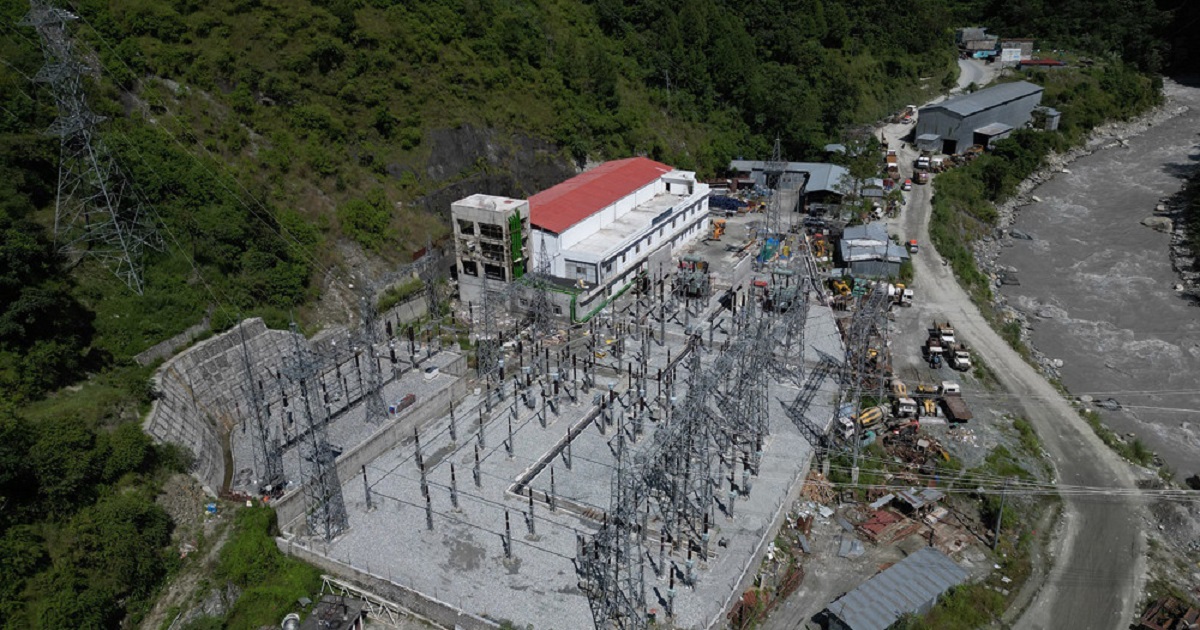
The testing phase for the 40 MW Rahughat Hydropower Project has been extended due to damage caused by erosion from the Kali Gandaki River in the powerhouse area at Tilkenichaur, located in Raghuganga Rural Municipality-3. The area near the tailrace gate and the switchyard sustained damage, and the powerhouse itself was inundated after water entered the facility. According to the project's Managing Director, Ganesh KC, test generation is currently underway, with two 20 MW units being operated on an alternating basis.
Projects currently under construction in the Myagdikhola basin are facing challenges related to access roads and the transportation of materials. Jyoti Kumar KC, Project Chief of the Upper Myagdikhola-1 project, stated that floods and landslides at locations including Ghumawane, Balaute, Bange Pahiro, Ilpu, and Shivaratri Khola have disrupted the transport of construction materials and equipment. The construction of the Upper Myagdi project, which has achieved 60 percent physical progress, has been affected. Similarly, landslides occurring at various points along the access roads for projects such as the Dar Khola hydropower project have hindered the transport of construction materials.
However, power generation remains uninterrupted at the Upper Rahughat, Mangle-Chimkhola-Rahughat, Upper Thulo Khola, and Thulo Khola hydropower projects within the Rahughat corridor. Floods and landslides have exposed the vulnerability not only of the core structures of these hydropower projects but also of transmission lines, access roads, construction material storage sites, and residential facilities.
To safeguard the growing investments in the hydropower sector, it has become essential to integrate measures such as riverbank erosion control, the construction of secure embankments, the development of alternative access roads, the protection of transmission towers, and disaster preparedness into the projects during construction and operation stages.
Conversation


More News



- Nepal's First Energy Based News Portal
-
Energy Information Center Pvt. Ltd.
Hemant Marg-11, Babar Mahal, Kathmandu
- Info. Dept. Reg. No. : 254/073/74
- Telephone : +977-1-5321303
- Email : [email protected]