Energy Update



ADB Raises Nepal's Growth Forecast to 3.9% on Hydropower Boost
-
 Urja Khabar
- 10 July, 2026
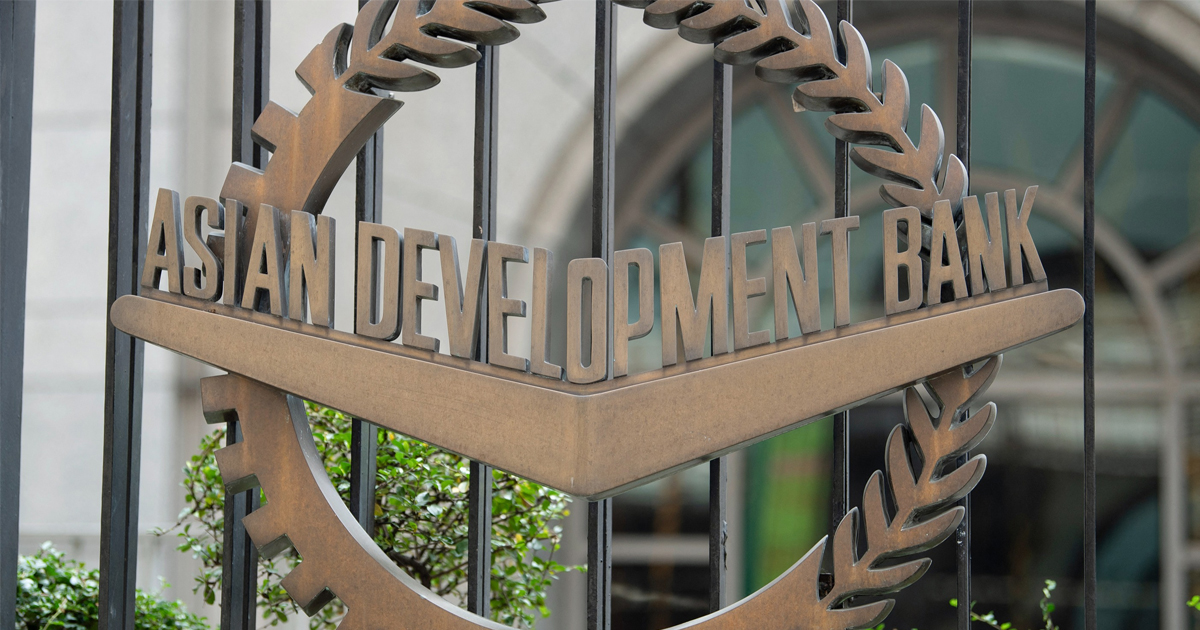
KATHMANDU; The Asian Development Bank (ADB) has revised the estimated growth rate of Nepal in 2026/27 to 3.9 percent, attributing the firm electricity generation by hydropower plants.
Unveiling its signature publication ‘Asian Development Outlook 2026’ on Thursday, the multilateral lending organization has raised the possible economic growth Nepal by 1.2 percent. Previously, it had estimated the figure at 2.7 percent in its publication uncover in April 2026.

The new estimate, released in July, is expected to be higher than the April estimate, amid pressure on the South Asian economy from the ongoing conflict in the Middle East and the resulting disruptions in energy markets.
The report states that Nepal's growth rate is likely to improve this year due to strong activities observed in the hydropower sector. The ADB has also projected that the consumer price inflation will eased to 3.2 percent, down from its earlier projection of 3.7 percent.
The ADB, however, estimates that Nepal’s economic scenario will be challenging for 2027. It has reduced the growth rate forecast for 2027 from 5.0 percent to 4.5 percent. Likewise, inflation is also projected to rise to 5.0 percent in 2027/28 due to rising fuel prices and growing domestic demand.
The ADB has estimated that the growth rate will decrease as the conflict in the Middle East may reduce tourist arrivals and affect Nepali workers going for foreign employment.
In contrary, the ADB has concluded that the overall economic growth rate in South Asia will decline this year. South Asia's growth rate for 2026 is estimated to be 6.0 percent. This is lower than the April projection of 6.3 percent.
The ADB's analysis is that countries such as Nepal, India, and Pakistan will be affected by factors such as increased production costs in South Asian countries due to rising oil prices due to tensions in the Middle East, increased transportation costs, and increased uncertainty in remittances from workers in the Gulf countries due to conflicts.
The ADB has stated that changes and challenges are also being seen in the economic situation of other countries in South Asia. According to the ADB, the average growth rate in the developing Asia and Pacific region will be 4.9 percent in 2026 as the conflict in the Middle East continues, energy supplies and supply chains are disrupted.
Conversation


More News


.jpg)

- Nepal's First Energy Based News Portal
-
Energy Information Center Pvt. Ltd.
Hemant Marg-11, Babar Mahal, Kathmandu
- Info. Dept. Reg. No. : 254/073/74
- Telephone : +977-1-5321303
- Email : [email protected]