Energy Update

LPG Shortage Deepens Despite Govt's Pledge to Ease Supply
-
 Urja Khabar
- 9 September, 2026
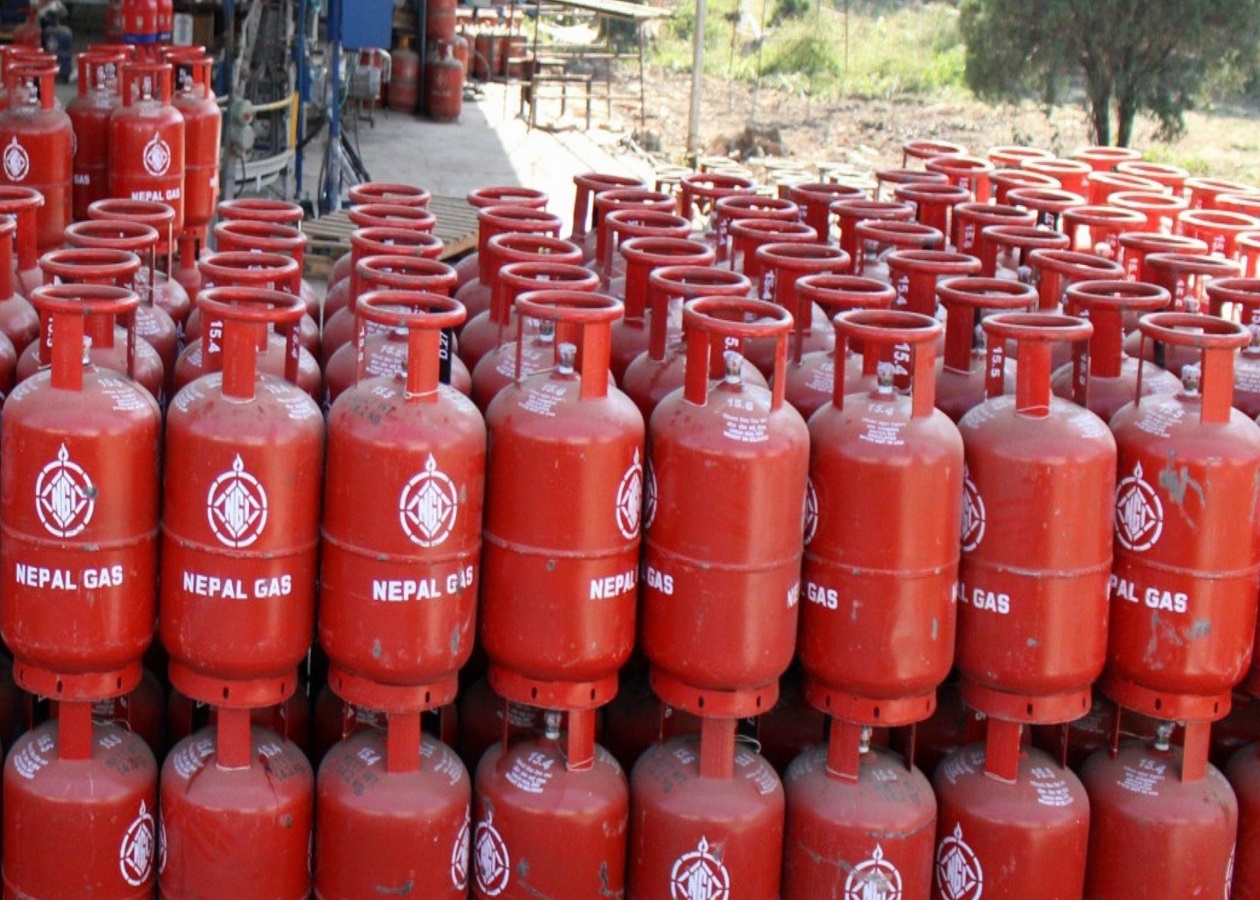
Kathmandu: The shortage of liquefied petroleum gas (LPG) is worsening in Kathmandu Valley as damage to the Krishnabhir section of the Prithvi Highway disrupts the capital’s main supply route.
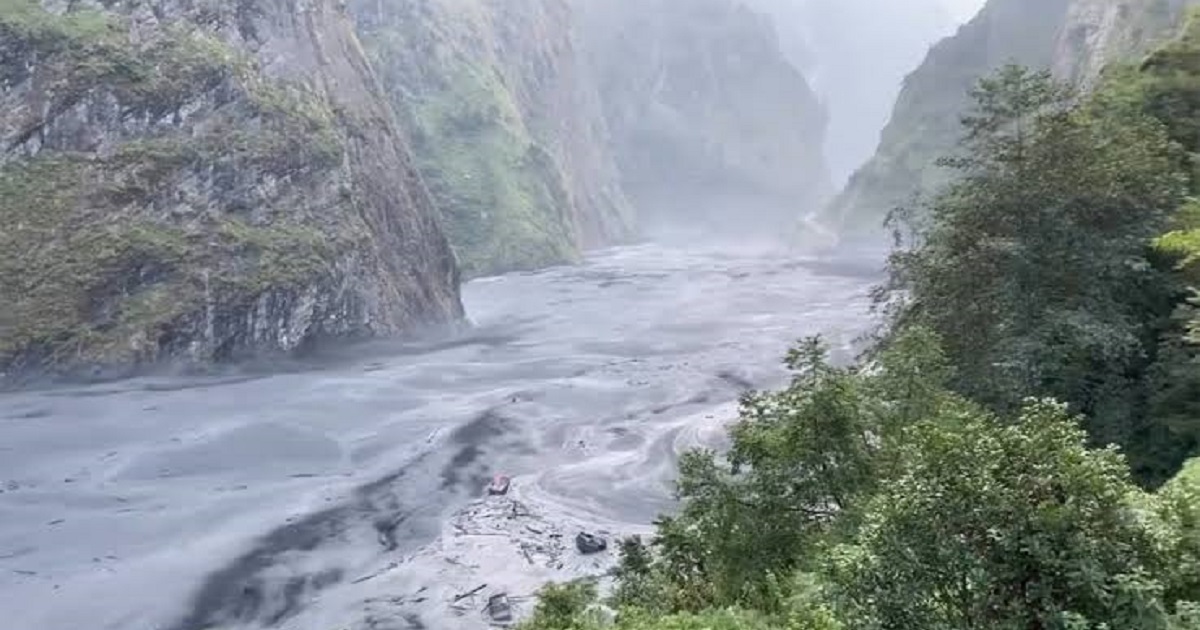
Floods and landslides triggered by the Bhotekoshi–Trishuli disaster severely damaged the highway at Krishnabhir in Dhading, cutting off the most efficient route for transporting essential goods to Kathmandu. Despite government claims that the supply of essential commodities has improved, consumers continue to face long queues, shortages and rising prices.

Gas dealers say the Valley consumes around 100,000 LPG cylinders a day, but only about 20,000 cylinders are currently reaching the market daily. Records of the Nepal Oil Corporation (NOC) show that daily supply has at times fallen to around 18,000 cylinders.
The supply disruption has also pushed up LPG prices. Gas bottlers have been using the longer and difficult Tribhuvan Highway as an alternative route, transporting cylinders in small trucks. Citing increased transportation costs, bottlers have raised the price to Rs 2,165 per cylinder, compared with the NOC-fixed price of Rs 2,060.
Gas dealer Rajesh Dahal said transporters are charging as much as Rs 700 per cylinder. “They have increased the charge to Rs 80,000 from Rs 65,000 on normal days for transporting 300–350 cylinders,” he said.
Meanwhile, some dealers and retailers have reportedly taken advantage of the shortage by demanding advance payment from consumers and limiting sales. Consumers have been forced to wait for hours in long queues to secure a cylinder, further adding to the difficulties faced by households in the Valley.
The widening gap between demand and supply has raised concerns that the LPG crisis could worsen unless the highway supply route is restored quickly.
Conversation


More News


- Nepal's First Energy Based News Portal
-
Energy Information Center Pvt. Ltd.
Hemant Marg-11, Babar Mahal, Kathmandu
- Info. Dept. Reg. No. : 254/073/74
- Telephone : +977-1-5321303
- Email : [email protected]