Energy Update



NEA Sets Criteria to Extend Hydropower Project Deadlines
-
 Urja Khabar
- 19 July, 2026
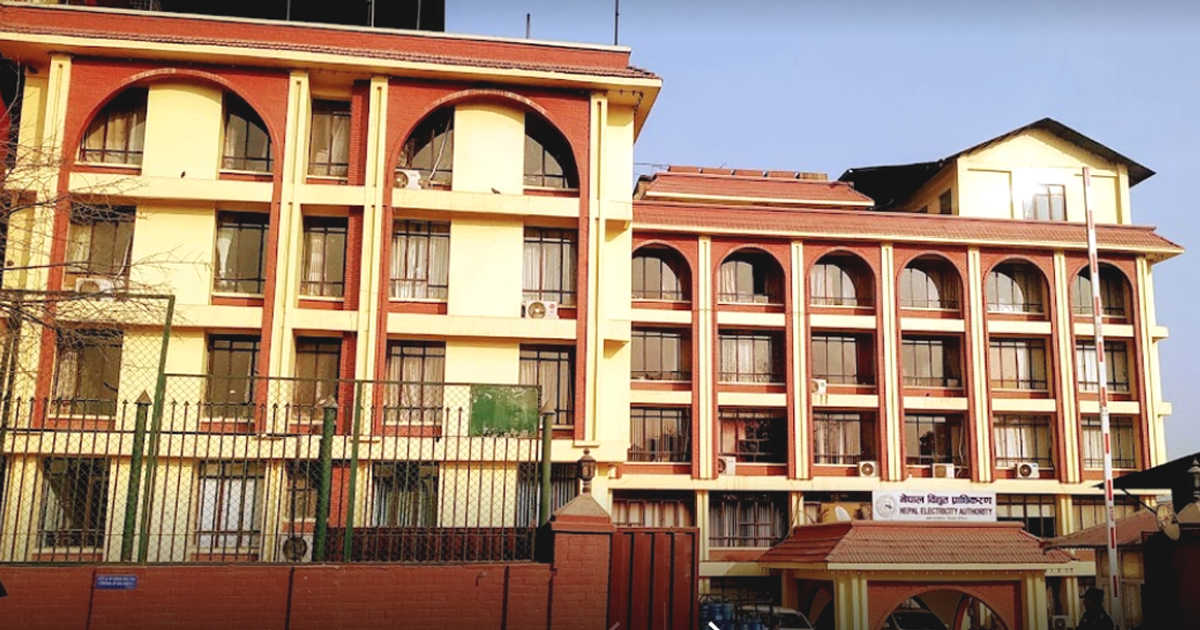
Kathmandu: The Nepal Electricity Authority (NEA) has approved guidelines to extend the Required Commercial Operation Date (RCOD) for under-construction hydropower projects that have missed their commissioning deadlines despite signing Power Purchase Agreements (PPAs).
The NEA Board of Directors, through its meeting last week, decided to classify projects into four categories based on construction progress, compliance with PPA obligations and the status of their RCOD before granting deadline extensions.

Announcing the decision on social media, Energy Minister Biraj Bhakta Shrestha said the government has endorsed guidelines that classify projects according to their actual physical progress, RCOD status and fulfillment of obligations under the PPA.
Under the new framework, Group A comprises projects whose RCOD has not yet expired and which have fulfilled key PPA obligations—such as obtaining a generation license, securing financial closure and completing land acquisition—or still have sufficient time to meet these requirements.
Group B includes projects delayed mainly due to the NEA's inability to complete transmission lines or substations required for grid connection. It also covers projects whose RCOD has expired but have achieved more than 25 percent physical progress during the RCOD period. These projects will be closely monitored by the NEA's Electricity Trading Department to ensure timely completion.
Group C consists of projects that have failed to meet major PPA obligations, including generation licensing, financial closure or land acquisition, despite their RCOD remaining valid, or those with less than 25 percent physical progress by the RCOD deadline.
Group D includes projects that have failed to fulfill PPA obligations or whose survey and generation licenses have already been cancelled after the RCOD expired.
The NEA said physical progress will be assessed under its existing procedures. For hydropower projects, progress will be measured based on construction of major structures such as headworks, tunnels, pipe alignments and powerhouses. For solar projects, indicators will include completion of land acquisition, opening of letters of credit for panel purchases, and commencement of foundation and mounting structure works.
Hydropower developers have long urged the government to extend RCOD deadlines, arguing that genuine projects have been delayed by factors beyond developers' control, including transmission infrastructure bottlenecks.
The NEA expects the new framework to support developers making genuine progress while discouraging those holding project licenses without advancing construction. Officials also believe the system will improve transparency, accountability and overall project management, while helping bring new electricity generation online more quickly.
According to the NEA, 30 hydropower projects with a combined installed capacity of around 1,292 MW have so far applied for RCOD extensions. Their construction progress ranges from 4 percent to 100 percent.
Conversation


More News


.jpg)

- Nepal's First Energy Based News Portal
-
Energy Information Center Pvt. Ltd.
Hemant Marg-11, Babar Mahal, Kathmandu
- Info. Dept. Reg. No. : 254/073/74
- Telephone : +977-1-5321303
- Email : [email protected]